Protecting your smile is one of the most important investments you can make in your long-term health. The forces from clenching and grinding your teeth at night can be incredibly strong, leading to worn-down enamel, cracked teeth, and expensive dental procedures down the road. A quality night guard acts as a shield, absorbing that pressure and saving you from future pain and cost. But not all guards are created equal. Making the right choice is key to ensuring your investment pays off. We’ll explore the different options available and help you determine if the best night guard for bottom teeth is the most effective solution for you.
Key Takeaways
- Choose a custom guard for the best protection: While over-the-counter options are cheaper, a custom-fit guard from your dentist is more comfortable, durable, and effective, making it the best long-term investment for your oral health.
- Match your guard to your grinding habits: The right material depends on how severely you grind. A soft guard may be enough for light clenching, while a hard or hybrid guard provides the necessary strength for more intense cases.
- Talk to your dentist for a safe solution: A professional consultation is key to rule out underlying issues like TMJ or sleep apnea and to ensure your night guard fits properly without interfering with existing dental work.
Why Protect Your Bottom Teeth from Grinding?
If you often wake up with a sore jaw, a dull headache, or sensitive teeth, you might be dealing with nighttime teeth grinding, also known as bruxism. Many people don’t even realize they’re doing it because it happens while they sleep. This unconscious habit puts a tremendous amount of pressure on your teeth and jaw muscles. Over time, that constant friction can lead to significant problems.
The primary concern with bruxism is the damage it does to your tooth enamel, the hard, protective outer layer of your teeth. As the enamel wears away, your teeth become much more vulnerable to sensitivity, cracks, and chips. Once enamel is gone, it doesn’t grow back, which can lead to more extensive dental work down the road. Grinding can also cause jaw pain, strain the muscles in your face and neck, and even disrupt your sleep.
A night guard acts as a protective barrier, absorbing the force of the grinding and preventing your top and bottom teeth from making direct contact. Whether you wear a guard on your upper or lower teeth, it effectively shields both. By creating this cushion, a night guard not only saves your enamel but also helps relax your jaw muscles, leading to a more restful night and a more comfortable morning.
What Are My Night Guard Options?
When you start looking for a night guard, you’ll find a few different types available. It can feel a little confusing at first, but they generally fall into three main categories, each with its own set of benefits and drawbacks. The right choice for you really depends on how severely you grind, your budget, and what feels most comfortable for you to wear all night long. After all, a night guard only works if you actually use it.
Think of it as a spectrum: on one end, you have basic, accessible protection, and on the other, you have a long-term, personalized investment in your dental health. Understanding where each option falls on this spectrum is the first step toward finding relief and protecting your smile from the long-term effects of grinding, like worn-down enamel, chipped teeth, and jaw pain. Let's walk through what you'll find on drugstore shelves and what we can create for you here at the office so you can make a confident decision.
Custom-Fit Guards from Your Dentist
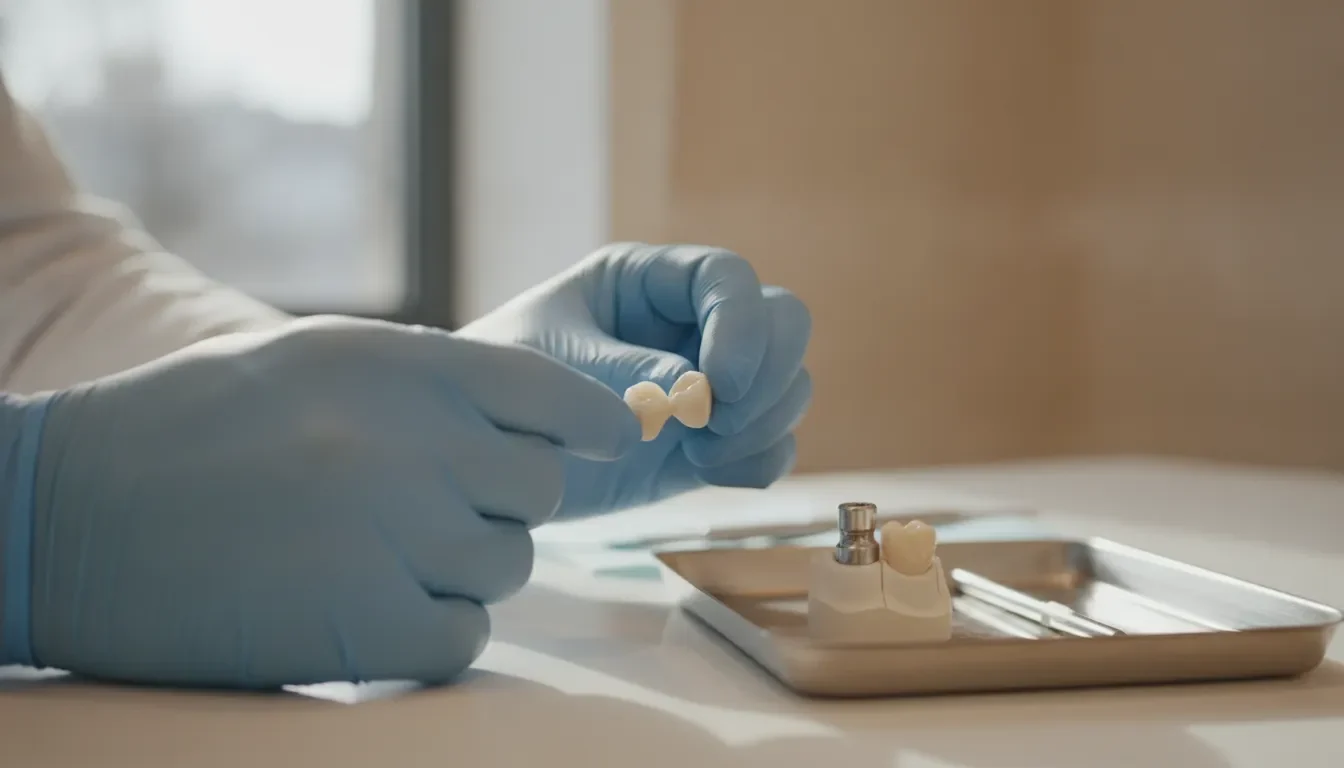
This is the gold standard for protecting your teeth, and for good reason. A custom-fit guard is made by your dentist using a precise impression of your mouth, ensuring it fits your teeth perfectly. This tailored fit means maximum comfort and protection that stays put all night. Because they are crafted from high-quality, durable materials, they are built to withstand heavy grinding and last much longer than store-bought versions. While the initial investment is higher, their longevity and superior fit make them the most effective and often most economical choice for long-term preventive care.
Boil-and-Bite Guards
You can find boil-and-bite guards at most drugstores, and they offer a middle-ground option. These guards are made from a thermoplastic material that you soften in hot water and then bite into, creating a semi-custom mold of your teeth. If you don't get the fit right the first time, you can often re-boil and try again. While this is a step up from a generic guard, they can still feel bulky and uncomfortable. For some people, the bulky fit can even encourage more chewing, potentially making jaw pain worse. They also tend to wear out within a few months of consistent use.
One-Size-Fits-All Over-the-Counter Guards
This is the most budget-friendly option, but it comes with significant trade-offs. These guards are ready to use straight out of the package with no molding required. However, because they aren't designed for your unique dental structure, they often fit poorly. An ill-fitting guard can be uncomfortable, may not stay in place through the night, and ultimately offers the least amount of protection. While they might seem like a quick fix, experts at the Sleep Foundation note that they often need frequent replacement and are not very effective for people who consistently or severely grind their teeth.
Why a Custom-Fit Guard is Your Best Bet
When you’re standing in a pharmacy aisle, the low price of a boil-and-bite guard can seem pretty appealing. But when it comes to protecting your teeth, a custom-fit night guard from your dentist is truly the best investment for your long-term health. The difference comes down to precision, comfort, and durability. A guard that’s made specifically for your mouth will fit perfectly, which means it won’t feel bulky or slip around while you sleep. Because it’s more comfortable, you’re much more likely to wear it consistently, and consistency is the key to preventing damage from grinding.
Custom guards also provide the best long-term results because they are crafted from stronger, higher-quality materials designed to withstand the force of your jaw. While an over-the-counter guard might wear out in a few months, a custom guard can last for years, saving you money and hassle over time. It offers the ideal balance of comfort and strength, which you just can’t get from a one-size-fits-all product.
Ultimately, a custom-fit guard isn’t just a piece of plastic; it’s a personalized medical device created to protect your unique smile. By taking impressions of your teeth, we ensure every contour is accounted for, providing superior protection and a fit that feels natural. Choosing a custom guard is a proactive step toward preserving your teeth, preventing future dental work, and getting a better night’s sleep.
How to Choose the Right Night Guard
Okay, so you know you need a night guard. But walking down the dental aisle or talking to your dentist can feel like you're suddenly facing a dozen different choices. How do you pick the one that’s actually going to work for you? It’s not as complicated as it seems. The best night guard is the one that fits your specific needs. Let's break down the three key things to think about so you can make a confident choice for protecting your smile.
Consider Your Grinding Severity
First things first, think about how intensely you grind your teeth. Are you a light clencher, or do you wake up with a sore jaw that feels like it ran a marathon? The severity of your grinding is the biggest factor in choosing a guard. If you’re a heavy-duty grinder, you’ll need a more durable material, like a hard or dual-laminate guard, to stand up to the pressure. For those who grind more lightly, a softer, more flexible material often provides enough protection while being extra comfortable. Being honest about your habits will point you toward the right level of defense.
Pick the Right Material: Hard, Soft, or Hybrid
Night guards come in a few different materials, and each has its own feel. Soft guards are flexible and cushiony, making them a great starting point if you’re a light grinder. Hard guards are made from a rigid acrylic, offering maximum durability for heavy grinders and those with TMJ pain. Then there’s the hybrid option, which is the best of both worlds: a soft, comfy interior with a tough, hard exterior. Think of it as the "Goldilocks" choice, offering a perfect balance of comfort and strength for many people.
Prioritize Comfort and a Proper Fit
No matter what material you choose, a night guard will only work if you actually wear it. That’s why comfort and fit are so important. While over-the-counter options might seem convenient, they rarely fit perfectly, which can make them uncomfortable and less effective. A custom-fit guard from your dentist is molded specifically for your teeth. This ensures it stays in place, feels comfortable, and provides the best possible protection. It’s a smart investment that pays off in comfort and the long-term health of your teeth.
What's the Investment for a Quality Night Guard?
When you start looking into night guards, one of the first things you'll notice is the wide range of prices. It can be tempting to just grab the cheapest option, but it’s helpful to think of a night guard as an investment in your long-term oral health. The forces from clenching and grinding can be incredibly strong, leading to chipped or cracked teeth, worn-down enamel, and even jaw pain or chronic headaches. The right night guard acts as a protective barrier, absorbing that pressure and saving you from needing more complex and costly dental procedures down the road.
The cost of a night guard depends almost entirely on the type you choose. A custom-fit appliance from your dentist will have a higher upfront price than a generic one from the drugstore, but the differences in fit, comfort, and durability are significant. A guard that fits poorly won't be worn, and one that wears out quickly isn't a great value. Let's break down what you can expect to pay and how you can make this important purchase more affordable.
Comparing Custom vs. Over-the-Counter Costs
The main difference in cost comes down to custom versus over-the-counter options. A custom night guard made by your dentist typically costs between $300 and $1,000. This price reflects the professional process of taking a precise impression of your teeth to create a guard that fits perfectly and is made from high-quality, durable materials. These guards are built to last for several years.
In contrast, over-the-counter guards are much cheaper, usually falling in the $20 to $50 range. While the low price is appealing, these guards offer a less precise fit and are made from softer materials that wear out quickly, often needing replacement within six months. When you compare the options, the long-term value and superior protection of a custom guard often make it the more cost-effective choice.
Understanding Insurance Coverage
Many people wonder if their dental insurance will help cover the cost of a night guard. The answer often depends on your specific plan. Many insurance providers offer partial or full coverage for custom occlusal guards, especially when they are deemed medically necessary to prevent damage from bruxism. The best first step is to check with your insurance provider to understand your benefits. Our office staff is also happy to help you figure out your coverage.
Even if your insurance doesn't cover the full amount, you have other options. Night guards are typically eligible expenses for Health Savings Accounts (HSA) and Flexible Spending Accounts (FSA). Using these pre-tax dollars can make the investment much more manageable. Ultimately, protecting your teeth with a quality guard is a key part of preventive care that supports your overall health.
Common Myths About Night Guards, Busted
When you’re dealing with teeth grinding, the last thing you need is confusing information. There are a lot of myths floating around about night guards that can make it hard to find the right solution. Let's clear the air and bust a few of the most common misconceptions so you can feel confident about protecting your smile. Getting the facts straight is the first step toward a peaceful night's sleep and a healthier mouth.
Myth: Bottom Guards Don't Work as Well as Top Guards
This is a frequent question, and the simple answer is that both top and bottom guards are effective. Night guards are designed to create a protective barrier between your teeth to prevent damage from grinding, also known as bruxism. Whether you wear it on your upper or lower arch doesn't change its core function. The best choice really comes down to your personal comfort and specific dental needs. Some people find a lower guard less intrusive, while others prefer an upper one. We can help you decide which option will feel most comfortable and provide the best protection for you.
Myth: Store-Bought is Just as Good as Custom
While the low price of an over-the-counter guard is tempting, it’s not a true substitute for a professional one. The problem with store-bought options is the fit. They are not designed for your unique bite, which means they can be uncomfortable and less effective. A custom guard from your dentist, on the other hand, is made from a precise impression of your teeth. This perfect fit ensures maximum protection and comfort. While the initial investment is higher, a durable, custom guard is the most medically sound choice and a better value for your long-term oral health.
Myth: You Need a Guard for Both Top and Bottom Teeth
This is definitely a myth. Wearing a night guard on both your top and bottom teeth at the same time is almost never necessary. In fact, it would likely feel bulky and quite uncomfortable, potentially making it harder to sleep. You only need one guard to create a cushion and prevent your teeth from grinding against each other. The decision to fit an upper or lower guard often depends on your specific symptoms. For instance, an upper guard is often recommended for clenching, while a lower guard might be suggested for other reasons. A quick chat with your dentist will clear up which one is right for you.
How to Care for Your Night Guard
Getting a night guard is a fantastic step toward protecting your teeth. But to make sure it does its job effectively and stays clean, you need to give it a little TLC. Think of it like any other part of your dental routine. Proper care keeps it hygienic, extends its life, and ensures it remains comfortable and effective. A dirty or damaged guard won't do your smile any favors, so let's walk through a simple care routine.
Daily Cleaning and Storage Tips
Your daily cleaning routine should be quick and easy. Each morning, as soon as you take your night guard out, rinse it with warm (not hot!) water. Hot water can warp the material and ruin the fit. Then, gently brush it with a separate, soft-bristled toothbrush and a non-abrasive toothpaste or soap. This removes any plaque or bacteria that built up overnight. After brushing, give it another rinse and let it air dry completely on a clean surface before putting it in its storage case. A clean, dry guard in a ventilated case prevents bacteria from growing. This simple habit is key to proper cleaning and maintenance.
Your Weekly Deep-Cleaning Routine
Once a week, it’s a good idea to give your night guard a deeper clean to sanitize it and remove any stubborn buildup. You have a couple of great options for this. You can soak it in a solution of half white vinegar and half water for about 30 minutes. Alternatively, you can use an over-the-counter denture cleaning tablet solution and just follow the instructions on the package. After soaking, give the guard a good rinse with cool water before letting it air dry. This weekly step helps keep your guard fresh, clear, and free from odor-causing bacteria.
Know When It's Time for a Replacement
Even with the best care, your night guard won't last forever. How long it lasts depends on the type of guard and the severity of your grinding. Over-the-counter guards might only last a few months, while a custom-fit guard from your dentist can last for several years. You'll know it's time for a replacement if you see signs of wear, like cracks, tears, or thinning spots. If it starts to feel loose or no longer fits snugly, its protective qualities are diminished. Using a worn-out night guard can be ineffective, so if you notice any of these changes, it’s time to talk to us about getting a new one.
When to Talk to Your Dentist About Teeth Grinding
While grabbing a night guard from the drugstore might seem like a quick fix, it’s not always the best first step. Grinding is often a symptom, and a professional consultation is the best way to find the root cause. A poorly fitting guard can create new problems, so it's important to know when a chat with your dentist is essential.
If You Have Jaw Pain or Clicking
Waking up with a sore jaw or hearing a clicking sound when you chew are clear signs to see a dentist. These symptoms can point to issues with your temporomandibular joint (TMJ). An over-the-counter guard isn’t designed to address TMJ problems and can sometimes aggravate jaw pain by holding your jaw in an unnatural position. A dentist can properly diagnose the issue and recommend a treatment plan that addresses the cause.
If You Have Existing Dental Work or Loose Teeth
If you have crowns, bridges, or veneers, it’s important to get a professional opinion. Your dental work is a significant investment, and a generic guard isn’t designed to fit around it perfectly. A poorly fitting guard could put uneven pressure on your dental restorations, potentially damaging them. A dentist will take precise impressions to create a custom guard that protects your entire smile safely.
If You Suspect Sleep Apnea
Teeth grinding can be linked to more serious health conditions like sleep apnea, a disorder where breathing repeatedly stops and starts as you sleep. Some night guards can change your jaw’s position in a way that actually worsens this condition. If you snore loudly or feel tired even after a full night’s sleep, it’s crucial to discuss these symptoms with a doctor or dentist before using any oral appliance.
For a Truly Effective and Safe Solution
Ultimately, talking to your dentist is the surest way to get a safe and effective solution. We can assess the wear on your teeth, check the health of your jaw, and make sure there aren’t any other underlying issues. A custom-fit guard is designed for your unique bite, offering the best protection and comfort. If you're ready to find a lasting solution, we're here to help. You can schedule a consultation to discuss your symptoms.
Frequently Asked Questions
Will a night guard actually stop me from grinding my teeth?
That's a great question, and it gets to the heart of what a night guard does. Its main job isn't to stop the grinding habit itself, which is often an unconscious action. Instead, it acts as a protective barrier. By creating a cushion between your upper and lower teeth, it absorbs the intense pressure from clenching and grinding, preventing wear and tear on your enamel. This saves you from chips, cracks, and sensitivity down the road.
I only grind my teeth a little. Do I still need a custom guard?
Even light, occasional grinding can cause cumulative damage to your teeth over many years. Think of it as a slow, steady erosion of your enamel. While a store-bought guard might seem sufficient, a custom-fit guard provides superior protection and comfort. Because it fits your mouth perfectly, you're far more likely to wear it every night, which is the key to preventing long-term problems before they start.
Is it better to get a night guard for my top or bottom teeth?
Both upper and lower guards are equally effective at protecting your teeth, so one isn't inherently better than the other. The choice really comes down to your personal comfort and unique dental anatomy. Some people find a lower guard feels less intrusive and affects their speech less, while others prefer the fit of an upper guard. We can discuss your specific needs and help you decide which option will feel the most natural and comfortable for you to wear all night long.
What happens if I don't clean my night guard properly?
Just like your teeth, your night guard can accumulate plaque and bacteria while you sleep. If you don't clean it daily, it can start to smell, become discolored, and feel unpleasant to wear. More importantly, you would be reintroducing that buildup of bacteria into your mouth every night. A simple daily rinse and brush, along with a weekly deep clean, keeps your guard fresh and hygienic.
My jaw clicks and hurts. Is a store-bought guard a good first step?
If you're experiencing jaw pain, clicking, or popping, it's best to skip the drugstore aisle and schedule a visit with us first. These symptoms can be signs of a TMJ (temporomandibular joint) disorder. A generic, poorly fitting guard can sometimes hold your jaw in an awkward position, potentially making the pain worse. A professional evaluation will help us find the root cause of your discomfort and ensure you get a solution that helps, not hurts.
Written by
Dr. Iham Gammas, DMDBoard-Certified Implant Dentist & Founder, Lowell Family Dental Practice. Fellow & Master of ICOI and IADI. Associate Fellow of AAID.