A missing tooth can affect more than just your smile; it can change how you eat, speak, and feel in social situations. The daily hassle of dealing with a gap or a loose denture can take a toll on your confidence. Dental implants offer a permanent solution that restores function and freedom. They allow you to enjoy your favorite foods and laugh without a second thought. This improvement in daily life is a huge factor when considering if dental implants are worth the cost. Let’s explore how this treatment can give you back the comfort and confidence you deserve.
Key Takeaways
- Implants offer unmatched stability: By fusing with your jawbone, an implant becomes a permanent part of your smile. This prevents the bone loss common with missing teeth and provides a secure foundation that won't slip, unlike dentures or bridges.
- Consider the long-term value, not just the initial cost: Dental implants are designed to last a lifetime with proper care, making them a durable investment in your health. Other options may seem less expensive upfront but often require replacements that add up over time.
- Your health is the key factor, not your age: Being a good candidate for dental implants depends on having a healthy jawbone and good overall health. A professional consultation is the best way to get personalized advice and find out if they are the right solution for you.
What Are Dental Implants?
If you're dealing with a missing tooth, you've probably heard about dental implants as a potential solution. But what exactly are they? In simple terms, a dental implant is a complete, permanent replacement for a lost tooth, from root to crown. Unlike dentures or bridges that sit on top of your gums or rely on neighboring teeth for support, an implant becomes a fixed part of your jaw. This modern approach to tooth replacement is designed to look, feel, and function just like a natural tooth, making it a popular and effective choice.
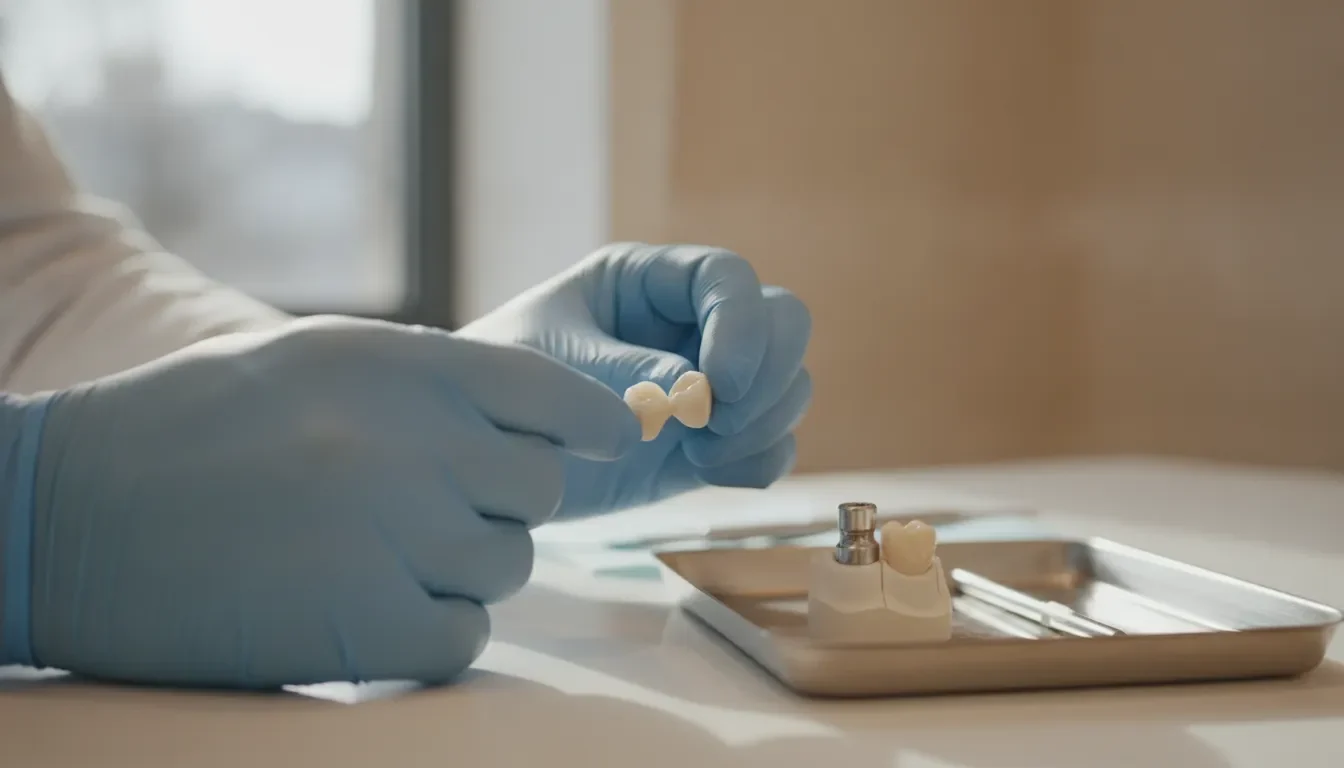
The entire structure consists of three key parts that work together to restore your smile. First, there's the implant itself, a small post that acts as a new root. Then, an abutment, which is a small connector piece, links the implant to your new tooth. Finally, a custom-made crown sits on top, giving you a complete and seamless look. This system provides a strong, stable foundation that allows you to eat, speak, and smile with total confidence, without ever worrying about anything slipping or shifting. It’s a durable solution that not only restores your smile but also supports your long-term oral health.
The Implant: A New Tooth Root
The foundation of the entire process is the implant itself. It’s a tiny, screw-like post typically made of titanium, a material that is biocompatible, meaning your body accepts it easily. During a simple procedure, this post is carefully placed into your jawbone right where your missing tooth’s root used to be. Its job is to act as a sturdy, artificial root. This is what makes dental implants so strong and reliable. By integrating with your bone, the implant creates a secure anchor for your replacement tooth, ensuring it won’t move or slip.
The Healing Process: Fusing with Bone
After the implant is placed, your body begins a remarkable natural process. Over the next few months, the jawbone grows around the titanium post, fusing with it completely. This process is called osseointegration, and it’s the secret to an implant's incredible stability. This healing period is essential for creating a solid, permanent bond that can withstand the pressures of chewing and biting for years to come. While it requires a bit of patience, this fusion is what makes the implant a true replacement for your natural tooth root and ensures its long-term success.
The Crown: Completing Your Smile
Once your implant has fully fused with your jawbone, it’s time for the final touch. A custom-made crown is created just for you and attached to the implant post. This crown is the part of the tooth you see, and it’s meticulously designed to match the color, shape, and size of your surrounding teeth. The goal is to create a restoration that blends in so perfectly no one will know it’s not your natural tooth. This final step completes your smile, restoring both its appearance and its full function. It’s one of the many restorative services we offer to help you feel your best.
How Much Do Dental Implants Cost?
Let's talk about the numbers. It’s no secret that dental implants are a significant investment in your health and confidence. The final cost isn't a one-size-fits-all figure because every smile is unique. Your treatment plan is tailored specifically to you, which means the price will be, too. Several factors influence the total cost, including the number of implants you need, the materials used, and whether you require any preparatory procedures like a bone graft to ensure a strong foundation.
Think of it less as a cost and more as a long-term investment. Unlike other tooth replacement options that may need to be repaired or replaced every 5 to 15 years, dental implants are designed to last a lifetime with proper care. They protect your jawbone, keep your other teeth in place, and restore your ability to eat and speak with ease. When you come in for a consultation, we can give you a clear and detailed breakdown of the expected costs for your specific situation, so you can make an informed decision without any surprises.
The Price of a Single Implant
A single dental implant can cost anywhere from $3,000 to $7,000. This range often covers the entire process: the implant post itself, the abutment (the connector piece), and the final crown that looks just like a natural tooth. The variation in price comes down to a few key factors. For example, the location of the tooth in your mouth can affect the complexity of the procedure. Additionally, if you need a bone graft to build up your jawbone before the implant can be placed, that will be an additional cost. We’ll walk you through every step so you understand exactly what your treatment involves.
Costs for a Full Set of Teeth
If you need to replace a full arch of teeth, the idea of paying for individual implants can feel overwhelming. Fortunately, there are more efficient and cost-effective solutions. Techniques like All-on-4 allow us to restore an entire upper or lower set of teeth using just four strategically placed implants. These implants act as strong anchors for a permanent, full-arch bridge. This approach not only reduces the total number of implants needed but also shortens treatment and recovery time. It’s a fantastic option for achieving a complete, beautiful smile without the cost of replacing every single tooth one by one.
Understanding Insurance and Payment Options
Navigating the financial side of dental care is a common concern. While some dental insurance plans offer partial coverage for implants, many still classify them as a cosmetic procedure, which can limit what they’ll pay. The best first step is to contact your insurance provider directly to get a clear picture of your benefits. We are also here to help. Many of our patients manage the cost through flexible payment plans or financing options. We believe everyone deserves a healthy, confident smile, and we’re committed to making our dental services accessible. Don't hesitate to ask us about your options during your consultation.
How Do Implants Compare to Dentures and Bridges?
When you're missing a tooth, you have a few great options for restoring your smile. Dental implants, dentures, and bridges are all common solutions, but they work in very different ways. Understanding these differences is key to choosing the right path for your health, lifestyle, and budget. While dentures and bridges are effective, many people find that implants offer unique advantages in terms of stability, longevity, and overall oral health. Let's break down how they stack up against each other.
Implants vs. Dentures: A Look at Stability
Think of a dental implant as a new tooth root. It’s surgically placed into your jawbone, creating a solid, permanent foundation. This stability is the biggest difference between implants and dentures. Dentures, on the other hand, rest on top of your gums and can sometimes shift or loosen, which can make eating and speaking a challenge. Because dental implants function just like your natural teeth, you can eat your favorite foods with confidence. They also stimulate the jawbone, preventing the bone loss that often occurs with missing teeth and traditional dentures. This helps maintain your facial structure over time.
Implants vs. Bridges: Protecting Healthy Teeth
A dental bridge is a great way to fill a gap, but it relies on the teeth next to the space for support. To place a bridge, your dentist needs to reshape these adjacent teeth by removing some of their enamel to fit crowns over them. While effective, this process alters perfectly healthy teeth. Dental implants are a standalone solution. They don't require any support from neighboring teeth, which means we don't have to modify them at all. This is a huge advantage because it preserves the integrity of your healthy, natural teeth, which is always our top priority for your long-term oral health.
The Long-Term Value of Your Investment
It’s true that dental implants often have a higher upfront cost than dentures or bridges. However, it’s helpful to see them as a long-term investment in your health and well-being. Dentures and bridges typically need to be replaced every 5 to 15 years, and those costs can add up over a lifetime. A well-cared-for dental implant can last for decades, often for life, making it a more cost-effective solution over time. Beyond the finances, patients often report a better quality of life. You avoid the discomfort and maintenance associated with removable dentures, allowing you to smile, speak, and eat with complete confidence. Ready to discuss your options? You can request an appointment to get personalized advice.
Common Myths About Dental Implants
When you're considering a significant investment in your smile, it's easy to get bogged down by misinformation. Dental implants are a fantastic, long-term solution for missing teeth, but a few persistent myths can cause unnecessary hesitation. Let's clear the air and separate fact from fiction so you can make a decision that feels right for you.
Myth: The Procedure Is Painful
Let’s tackle the biggest fear first: pain. Many people imagine the implant procedure to be an intense, painful ordeal, but the reality is much gentler. Most patients say it’s less uncomfortable than a tooth extraction. We use modern, effective anesthesia to ensure you feel comfortable throughout the process. Our entire team is focused on providing stress-free dental care, and that promise is at the heart of our implant procedure. You can expect some mild soreness afterward, but it’s typically manageable with over-the-counter pain relievers.
Myth: You Can Be Too Old for Implants
This is one myth we’re happy to bust. There is no upper age limit for dental implants. Your overall health and the density of your jawbone are the important factors, not the number on your birthday cake. We’ve helped patients in their 70s, 80s, and beyond restore their smiles and improve their quality of life with implants. If you're healthy enough for a routine dental procedure like an extraction, you can likely be a candidate for implants. We welcome all new patients to come in for a consultation to see if implants are a good fit.
Myth: They're Difficult to Maintain
If you can take care of your natural teeth, you can take care of dental implants. There’s no complicated routine or special equipment required. Your daily maintenance is exactly the same: brushing twice a day, flossing once a day, and keeping up with your regular dental check-ups. These simple habits are all it takes to keep your implant and the surrounding gums healthy for years to come. Think of your six-month dental appointment as the best way to protect your investment and your overall oral health.
Myth: They Don't Look Natural
The goal of a dental implant is to blend in so perfectly that no one knows it’s there, including you. Each implant crown is custom-designed to match the exact shape, size, and color of your surrounding teeth. They are crafted to look and feel completely natural, restoring your smile’s appearance and function. The result is a seamless, confident smile that looks just like the real thing. Our patients often tell us in their reviews that they forget which tooth is the implant because it feels so much a part of them.
The Real Pros and Cons of Dental Implants
Deciding on a dental procedure is a big deal, and it’s smart to weigh all the angles before you commit. Dental implants are a fantastic solution for many people, but like anything, they have their pros and cons. Thinking through both sides helps you make an informed choice that feels right for you and your health. Let's walk through the key benefits and potential drawbacks so you can have a clear picture of what to expect.
Pro: Support Your Jaw Health
One of the most significant benefits of dental implants goes beyond just filling a gap in your smile. When you lose a tooth, the jawbone in that area no longer gets the stimulation it needs and can start to shrink. This can affect the stability of your surrounding teeth and even change the shape of your face over time. Dental implants act like natural tooth roots, stimulating the bone and helping to maintain its density. This not only protects your oral structure but also supports your overall well-being, as a healthy mouth is linked to a healthy body.
Pro: Improve Your Quality of Life
If you’ve ever felt self-conscious about missing teeth or dealt with uncomfortable dentures, you know how much it can affect your daily life. Dental implants can completely change that. Because they are securely fused to your jawbone, they look, feel, and function just like natural teeth. You can eat your favorite foods, speak clearly, and smile with confidence, without worrying about anything shifting or slipping. Many patients share that getting implants was a life-changing decision, giving them back a sense of freedom and comfort they thought they had lost. You can see what our patients are saying in their reviews.
Con: The Time Commitment
It’s important to know that getting dental implants isn’t a quick fix. The entire process is a journey that can take several months from start to finish. It typically involves a few key stages: preparing the area, placing the implant post, and then allowing time for your jawbone to heal and fuse around it. This healing period is crucial for a successful outcome. Once the implant is stable, your custom crown is attached. While it requires patience, this careful, multi-step approach is what makes implants such a durable and reliable long-term solution. You can schedule a consultation to get a personalized timeline.
Con: Potential Complications
While dental implants have a very high success rate, no procedure is without potential complications. The main requirement for an implant is having enough healthy jawbone to support it. If you've experienced significant bone loss, you might need a bone graft before the implant can be placed, which can add to the timeline and cost. As with any surgery, there's a small risk of infection or other issues. That’s why it’s so important to work with an experienced team. Our skilled staff is here to guide you through every step, ensuring your treatment is safe, comfortable, and tailored to your specific needs.
Are Dental Implants Right for You?
Deciding on a permanent solution for missing teeth is a big step, and it’s completely normal to have questions. Dental implants are a fantastic option for many people, but they aren't a one-size-fits-all solution. Your oral health, lifestyle, and budget all play a role in determining if they’re the best choice for you. Let’s walk through what makes someone a good candidate, how to think about the cost, and what to ask during your consultation. This will help you feel confident and prepared as you explore your options for restoring your smile.
Find Out if You're a Candidate
So, who is a good fit for dental implants? Generally, most people missing one or more teeth can be great candidates, especially if they have a healthy jawbone to support the implant. Good overall oral hygiene is also key, as is having healthy gums. If you have certain health conditions, it’s important they are well-managed. The only way to know for sure is to have a professional take a look. During a consultation, we can examine your jawbone density and overall oral health to give you a clear and personalized recommendation. This first step is all about making sure an implant will be safe, successful, and long-lasting for you.
How to Plan for the Cost
Let's talk about the investment. The cost of a single dental implant can range from $3,000 to $7,000, depending on your specific needs. While that initial number might seem high, it’s helpful to see it as a long-term investment in your health and confidence. Unlike dentures or bridges, which often need adjustments or replacements every few years, a well-cared-for implant can last a lifetime. This durability often makes them a more cost-effective choice over the long run. We are happy to walk you through your insurance coverage and payment options to make the process feel more manageable. Our goal is to make excellent care accessible, and we have helpful resources for new patients to get started.
Questions to Ask Your Dentist
Walking into your consultation with a few questions prepared is one of the best things you can do. It helps you take an active role in your dental care. A great starting point is to ask about all your options, including alternatives like bridges or dentures, and discuss the pros and cons of each for your situation. You should also ask about the entire process, from the first procedure to the final crown placement, and what the follow-up care looks like. Understanding how we’ll monitor the implant and your gum health during future visits will give you peace of mind. Ready to get your questions answered? You can request an appointment with us today.
Related Articles
- Dental Implants vs. Dentures: Which Is Right for You?
- The True Cost of Dental Implants: What to Expect
- Dental Bridges vs. Implants: Pros and Cons
- Common Myths About Dental Implants Debunked
- Are You a Candidate for Dental Implants?
Frequently Asked Questions
How painful is the dental implant procedure, really?
This is easily the most common question, and it’s a fair one. Most people are pleasantly surprised to find that the procedure is much more comfortable than they imagined. We use effective local anesthesia, so you won’t feel any pain during the placement. Afterward, it’s normal to have some soreness and mild swelling, but it’s typically less discomfort than a tooth extraction and can be easily managed with over-the-counter pain medication.
How long do dental implants actually last?
Think of dental implants as a long-term solution for your smile. The titanium post that fuses with your jawbone is designed to last a lifetime with proper care. The crown attached to it, which is the part that looks like a tooth, can last for 15 years or more before it might need to be replaced due to normal wear. Your daily oral hygiene and regular dental check-ups are the key to making sure your implant stays healthy for decades.
What if I don't have enough jawbone for an implant?
This is a common situation, especially if a tooth has been missing for a while, so don't worry. If your jawbone isn't dense enough to support an implant, we can often perform a procedure called a bone graft. This involves adding special bone material to the area to build it up, creating a strong and stable foundation for the implant. A bone graft can make it possible for many people to become successful implant candidates.
Can a dental implant get a cavity or become infected?
The great news is that the implant and its crown are made of artificial materials, so they can't get a cavity. However, the health of the gums around the implant is still very important. Just like with your natural teeth, bacteria can build up and cause gum inflammation or infection if not cleaned properly. This is why brushing, flossing, and seeing your dentist for regular cleanings are essential for protecting your investment.
What does the entire process look like from start to finish?
Getting a dental implant is a multi-step process that usually takes place over several months. It starts with a consultation to create your personalized plan. The next step is placing the implant post into your jawbone. Then, we wait a few months for your bone to naturally fuse with the post, creating a super-strong base. Once that healing is complete, we attach the final, custom-made crown, and your new smile is complete.
Written by
Dr. Iham Gammas, DMDBoard-Certified Implant Dentist & Founder, Lowell Family Dental Practice. Fellow & Master of ICOI and IADI. Associate Fellow of AAID.