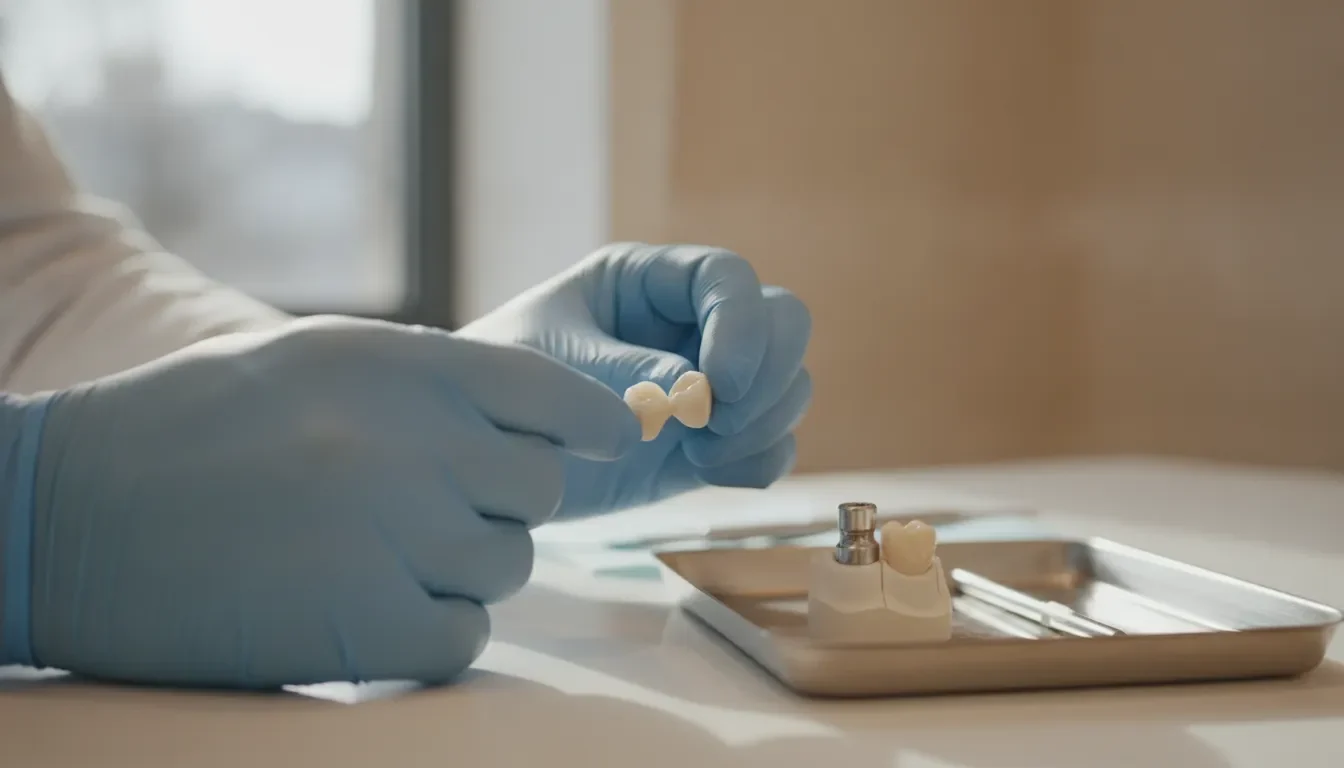
Dental implants are the most durable option for replacing missing teeth. The titanium post is designed to last a lifetime. But patients want a clear answer: how long do dental implants last? The implant post can last 20 to 30 years or longer, often for life. The visible crown needs replacement every 10 to 15 years due to normal wear. With proper care from a board-certified specialist like Dr. Iham Gammas at Lowell Family Dental Practice, your implant can serve you for decades.
Whether you are scheduling your procedure or just exploring options, understanding the realistic lifespan of each component helps you decide. In this guide, we break down the longevity data, the factors that influence implant life, and care steps that keep your smile intact.
How Long Do Dental Implants Last: What Is the Average Lifespan of a Dental Implant?
A dental implant is an artificial tooth root made of biocompatible titanium. An oral surgeon places the titanium post into your jawbone, where it fuses through a process called osseointegration. Once that bond forms, an abutment connects the post to a custom porcelain crown that looks and functions like a natural tooth.
So how long do dental implants last? The average lifespan of the implant post is 10 to 30 years, and for most patients it lasts the rest of their life. Studies support this: research shows a 90 to 97 percent survival rate at 10 years and approximately 80 percent at 20 years. The crown attached to the implant typically lasts 10 to 15 years before showing signs of wear. High-quality porcelain crowns can last up to 25 years with excellent care.
No other tooth replacement option comes close to this track record. Dentures and bridges require replacement every 5 to 10 years. This longevity is why an implant, while more expensive upfront, is a smart long-term investment in your oral health.
At Lowell Family Dental Practice, Dr. Iham Gammas, DMD, DABOI, a Diplomate of the American Board of Oral Implantology, places and restores dental implants. His board certification means he has passed rigorous examinations in implant dentistry beyond standard dental licensure, giving patients an added layer of confidence in their treatment outcome.
Factors That Affect How Long Implants Last
Most dental implants stay strong for many years. But their life depends on how you care for them. Some things can make an implant fail early. Other things help it last for a lifetime. Dr. Iham Gammas and his team help patients in Lowell keep their smiles healthy. Knowing what to watch for can save your new teeth.
Daily Care and Oral Hygiene
Good cleaning habits are the best way to keep your implants. You should brush two times a day and floss once. Implants do not decay like real teeth. But the gums around them can still get sick. This is called peri-implantitis. It is a type of gum disease that hurts the bone near the post. This is a main reason for failure years later.
When germs build up, they cause swelling. This can make the post come loose over time. Many people use a water flosser or small brushes to clean tight spots. Regular dental cleanings every six months are also a must. This is key for dental implants in Lowell MA to succeed.
Health and Lifestyle Choices
Your overall health plays a big role in how well you heal. Some health problems can make it hard for the bone to bond with the post. For example, poor diabetes care or immune issues can slow down your body. It is vital to talk with your doctor about your health before you start.
Smoking is one of the biggest risks for your new teeth. People who smoke are 2.4 times more likely to have an implant fail. Smoke lowers blood flow to your gums. This makes it hard for your jaw to heal after surgery. If you can stop smoking, your implants will have a much better chance to last.
Bone Health and Physical Protection
The post needs a strong jawbone to stay in place. If the bone is too thin, the implant may not stay steady. Some patients get a bone graft to make the jaw stronger first. The spot where the implant goes also matters. Back teeth often take more stress from chewing than front teeth. This can affect the life of your crown.
Physical force can also be a threat. Many people grind their teeth at night, which is called bruxism. It can put too much pressure on the crown. This might crack the porcelain or loosen the root. A night guard can protect your smile while you sleep.
What Is the Implant Failure Rate and Why Do Implants Fail?
Dental implants are a very steady way to replace lost teeth. Most implants stay in place for a long time. Studies show that 90 to 97 percent of implants still work well after 10 years. Over 20 years, the success rate stays near 80 percent. While failure is rare, it can happen if you do not care for your new teeth.
Early and Late Failure
An implant can fail soon after surgery or many years later. Early failure often happens in the first few months. This is usually because the bone does not grow around the post. Late failure happens after the tooth is in full use. This is often due to germs or too much stress on the jaw. Both types are rare with proper planning.
Why Implants Fail
Gum disease is the main cause of late failure. Doctors call this peri-implantitis. It happens when germs get under the gum line near the post. This can hurt the bone that holds the implant. Smoking is also a big risk. People who smoke have more than twice the risk of failure. Smoking slows healing and keeps blood from reaching the gums.
Other things like teeth grinding or low bone density can cause issues. Health problems like diabetes can also make healing slow. Working with an expert helps lower these risks. Dr. Iham Gammas is a board-certified specialist in Lowell, MA who checks these factors first.
How to Make Your Implants Last a Lifetime
Following these steps keeps your implant healthy and extends its life well past the averages:
- Brush and floss daily. Use a soft-bristle toothbrush and non-abrasive toothpaste. Floss once a day, paying extra attention to the gum line around the implant. A water flosser or interdental brush helps clean the tight spaces around the crown.
- See your dentist every six months. Professional cleanings remove plaque buildup that regular brushing misses. Your dentist also checks the implant for signs of gum inflammation, loose components, or bone changes.
- Wear a night guard if you grind. Many people clench or grind without realizing it. A custom-fitted night guard distributes bite force evenly and prevents damage to your crown and implant.
- Avoid hard or sticky foods. Chewing ice, hard candies, or popcorn kernels can crack or chip the crown. Sticky foods like caramel can pull at the restoration.
- Quit smoking. Smoking reduces blood flow to your gums and weakens the bond between your implant and jawbone. Quitting dramatically improves your implant long-term outlook.
- Report problems early. If your implant feels loose, causes pain when chewing, or if you notice redness, swelling, or bleeding around it, call your dentist right away.
Crown vs. Implant Post: Which Component Needs Replacing First?
A dental implant is not a single piece. It is three separate components, each with a different expected lifespan.
| Component | Material | Average Lifespan | Replacement Cost | Key Maintenance |
|---|---|---|---|---|
| Implant Post | Titanium | Lifetime (20-30+ years) | Full procedure cost | Bone health through good hygiene |
| Abutment | Titanium or zirconia | Lifetime with proper care | Moderate | Keep gum line clean and healthy |
| Crown | Porcelain or ceramic | 10-15 years (up to 25 with premium materials) | Much less than full implant | Avoid grinding, hard foods, and staining agents |
The titanium post and abutment are designed to last a lifetime. In rare cases, the post may loosen or the area may become infected with peri-implantitis, requiring replacement. But for the vast majority of patients, these components stay in place permanently.
The crown takes the daily punishment of chewing and biting. About 50 to 80 percent of crowns need replacement within 15 to 20 years. This is considered normal maintenance, not implant failure. Replacing a crown is a simple, less expensive procedure compared to the initial surgery.
This is an important point when weighing the overall value. If you factor in one or two crown replacements over your lifetime. The total cost of an implant is still competitive with bridges and dentures when you account for the longer service life. Learn more about the long-term value of dental implants and what implants cost in Lowell.
Implant Longevity Questions Answered by Dr. Gammas, DABOI
Dr. Iham Gammas, DMD, DABOI, is a Diplomate of the American Board of Oral Implantology and the implant specialist at Lowell Family Dental Practice. Here he answers the most common questions patients ask about implant longevity.
Can dental implants really last a lifetime?
Yes, the titanium post can last a lifetime. It fuses with your jawbone through osseointegration, making it a permanent part of your mouth. The crown on top will likely need replacement after 10 to 15 years, but the anchor itself is built to stay. I have patients whose implants have been in place for more than 20 years with no issues. — Dr. Gammas
Do implants need special cleaning compared to natural teeth?
Your daily routine is similar, but there is one difference. You need to clean around the gum line more carefully because plaque can build up where the crown meets the gum. A water flosser makes this much easier. I recommend one to all my implant patients. — Dr. Gammas
Does smoking really affect implant success that much?
It does. Smokers have more than double the risk of implant failure. Smoking restricts blood flow, which slows healing after surgery and increases the risk of gum infection around the implant. If you smoke and are considering implants, I strongly encourage you to quit or at least cut back before your procedure. — Dr. Gammas
Can a worn-down crown be replaced without removing the implant post?
Almost always, yes. We simply unscrew the old crown, take a new impression, and fabricate a replacement. The implant post stays undisturbed. This is a routine in-office procedure that costs a fraction of the original implant surgery. — Dr. Gammas
How often should I come in for checkups after getting implants?
Every six months, just like with natural teeth. At each visit, we check the implant for stability, examine the gums for signs of inflammation, and take X-rays periodically to monitor the bone level. Early detection of any issue is the key to keeping your implant for life. — Dr. Gammas
Frequently Asked Questions
How long do dental implants usually last?
The titanium post lasts 20 to 30 years or more, often a lifetime. The crown on top lasts 10 to 15 years on average and may need replacement once or twice over your lifetime.
What happens to a dental implant after 20 years?
After 20 years, the titanium post typically remains fully intact and functional. The crown may show wear or staining and often needs replacement. Studies show about 80 percent of implants survive past the 20-year mark.
How often do dental implant crowns need to be replaced?
Implant crowns typically need replacement every 10 to 15 years. High-quality porcelain crowns can last up to 25 years with optimal care. Crown replacement is a routine, less expensive procedure.
Will smoking make my dental implants fail sooner?
Yes. Smokers face 2.4 times higher odds of implant failure than non-smokers. Smoking restricts blood flow, impairs healing, and increases the risk of peri-implantitis.
Ready to Discuss Dental Implants in Lowell?
Your dental implants represent a major investment in your health and quality of life. With the right care and an experienced specialist guiding your treatment, they can serve you well for decades.
Dr. Iham Gammas, DMD, DABOI, is a board-certified implantologist at Lowell Family Dental Practice. He and his team take the time to understand your needs, evaluate your candidacy, and create a treatment plan designed for long-term success.
Call (978) 458-1179 today to schedule your consultation. You can also visit our dental implants page to learn more about how Dr. Gammas and his team can help restore your smile.
Written by
Dr. Iham Gammas, DMDBoard-Certified Implant Dentist & Founder, Lowell Family Dental Practice. Fellow & Master of ICOI and IADI. Associate Fellow of AAID.