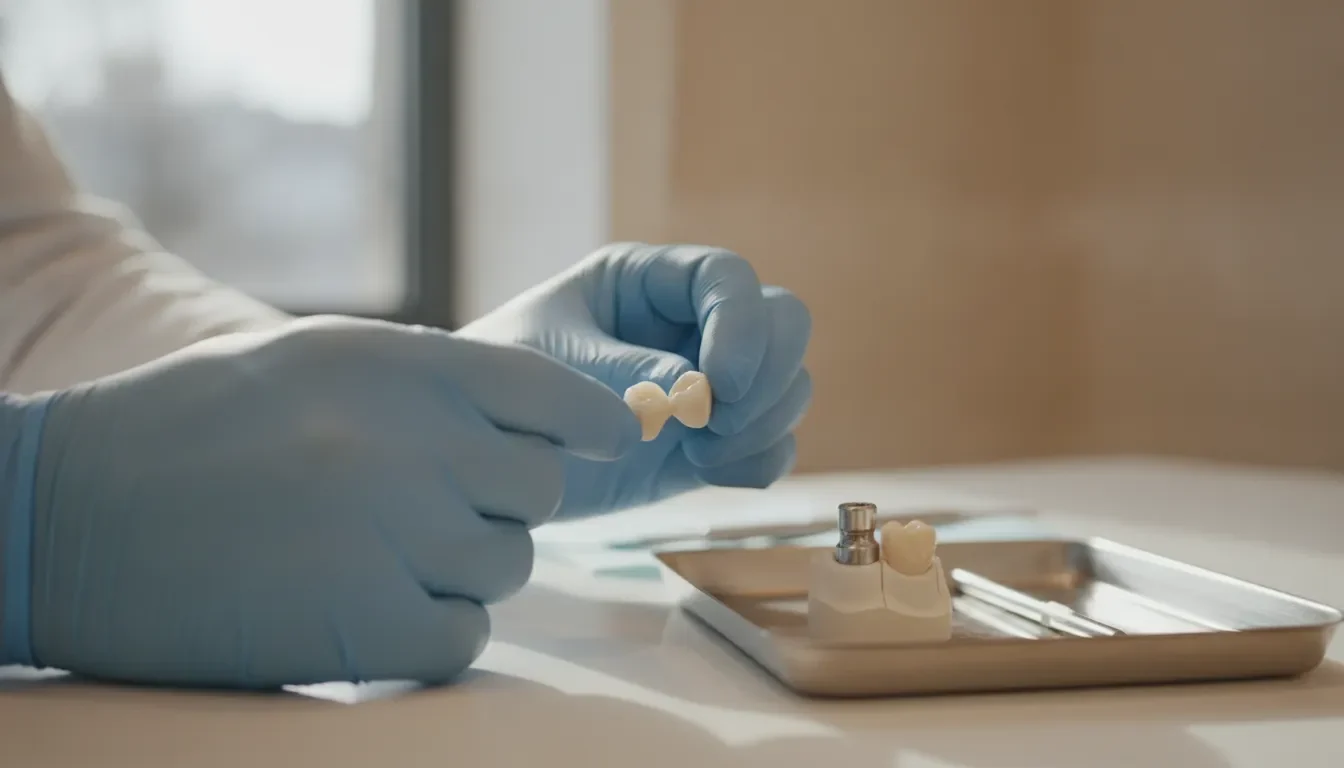
Most patients lose nearly half of their jawbone width within three years of losing a natural tooth. A dental bone graft in Lowell MA fixes this problem by adding volume where your smile needs it most.
A dental bone graft in Lowell MA is a dental procedure that adds thickness and volume to your jawbone to support a new tooth. When you lose a tooth, the bone underneath begins to shrink, which can make it too thin to hold a titanium post. Dr. Iham Gammas uses this treatment to rebuild your jaw base using safe materials that merge with your natural bone over time. This process creates a sturdy foundation for lasting tooth replacement and prevents more bone loss in your face. According to local dental data, nearly sixty percent of the bone around an empty site can disappear within three years. Rebuilding this structure ensures your dental implants have the support they need to work well.
Choosing to restore your smile is a big decision that starts with the right information. Most patients begin their search for dental implants in Lowell MA by asking what is a dental bone graft and when is it necessary. Rebuilding your jawbone creates the critical foundation needed for a successful implant treatment.
What Is a Dental Bone Graft and When Is It Necessary?
A dental bone graft is a small surgery that adds thickness and mass to your jaw. This step uses bone tissue to help your body grow new bone where it is gone. It is often the first part of a plan for dental implants in Lowell MA. Without enough strong bone, your jaw cannot support new teeth or keep its shape.
Common causes of jawbone loss
Your jaw bone stays healthy by being used. When you chew, the roots of your teeth send signals that keep the bone strong. If you lose a tooth, those signals stop. This leads to bone loss. Studies show that people lose about 40 to 60 percent of the bone around a tooth site within three years of tooth removal. This makes the area weak and thin.
There are other ways you can lose bone in your mouth. Serious gum disease is a top cause. This illness, known as periodontal disease, eats away at the bone that holds your teeth. Other issues that lead to bone loss include:
- Hits to the face that crack or break the jaw bone.
- Deep sores in the tooth roots or gums.
- Long-term gaps where teeth used to be.
- Using implant supported dentures for a long time without enough bone.
By using a dental bone graft, our team can stop this loss. Dr. Iham Gammas fills in the gaps to create a thick and sturdy base. This keeps your other teeth from shifting and protects your smile from more harm.
Building a base for dental implants
Most patients need a bone graft before they can get dental implants. An implant is a small metal post that works like a tooth root. For an implant to work, it must bond with your natural bone. This bond is what makes the new tooth feel strong and real. If your jaw is too thin, the implant will not have enough to hold onto.
Dr. Gammas will check your jaw with clear scans to see if you have enough bone. As an expert in implant health, he looks for the right height and width. If the bone is too soft or low, a graft is the best way to fix it. This step ensures that your alveolar bone can handle the pressure of chewing for years to come.
How grafting helps your face shape
Losing bone in your jaw can change the way you look. When the bone shrinks, it can make your face look older or collapsed. Your lips and cheeks need the bone for support. A bone graft helps keep your face looking full and healthy. It acts like a frame that holds up your facial look while your body heals.
Adding new bone also helps prevent more tooth loss. When one tooth is gone and the bone fades, the teeth next to it can start to tip or get loose. Grafting keeps the base strong for all your teeth. This early care saves you from more hard work in the future and keeps your whole mouth in balance.
Types of Bone Graft Material: What Does the Procedure Use?
Your dentist chooses a graft material based on your bone health and the goal of your care. Each type acts like a frame that helps your body regrow its own bone tissue. At our office, we help you find which option works best for your dental implants in Lowell MA.
Common Graft Sources
There are four main types of materials used in a dental bone graft. Some come from your own body. Others come from donors or a lab. A provider adds these materials to areas with thin bone to add density. About 2.2 million bone grafts are placed each year to help people restore their oral health, according to the Cleveland Clinic.
The choice of material affects how fast you heal. It also affects how well your jaw holds an implant. Most people find that donor bone is the most easy choice. It removes the need for a second surgery site on your own body. This makes the process fast and more easy for you.
Comparing Your Options
Each material has clear pros and cons for your procedure. Your bone needs a strong base to support implant supported dentures or single crowns. We look at your health history and the size of the gap before we pick a type.
| Type | Source | Pros | Typical Use |
|---|---|---|---|
| Autograft | Your own bone | Highest success rate | Large bone gaps |
| Allograft | Human donor | No extra surgery site | Standard implants |
| Xenograft | Animal (cow) bone | Slowest to dissolve | Sinus lifts |
| Alloplast | Lab-made mineral | Low risk of infection | Small socket fills |
Safety and Success
All donor materials go through strict cleaning to ensure they are safe. This removes risk while keeping the mineral base your body needs. Modern grafts are very stable. They lead to high success rates for dental implants. If you want to know about same-day dental implant candidacy, your bone quality is the first thing we check.
What to Expect on Bone Graft Day: Procedure and Recovery
Getting a dental bone graft in Lowell, MA, is a common step to prepare for dental implants in Lowell MA. This visit is often short and simple. Dr. Gammas and his team focus on your comfort from the start. Most people find that the fear of the visit is much worse than the actual work. Knowing the steps can help you feel at ease.
The dental bone graft lowell ma process
- Imaging and Planning: First, we take a close look at your jaw. We use panoramic x-rays or a CAT scan to see your bone depth. This helps us find the best spot for the graft.
- Numbing the Area: We use local anesthesia to numb the site. This means you will stay awake but you should not feel any pain. We make sure the area is fully numb before we start any work.
- Placing the Graft: Dr. Gammas makes a small opening in the gum to reach the bone. He then places the graft material in the void. This material acts as a base where your new bone will grow.
- Closing the Site: Once the graft is in place, we close the gum with small stitches. We may also place a thin layer over the graft to keep it safe while it heals.
Healing and Aftercare
The first stage of healing takes about one to two weeks. During this time, you may have some mild swelling or pain. This is normal and shows that your body is starting to heal. You can usually manage any ache with common over the counter drugs. Following our care plan will help you get back to your routine fast.
You must be gentle with your mouth during the first few days. Eat soft foods like yogurt or soup and do not smoke. Smoking can slow down your healing or cause the graft to fail. We will give you a full list of tips to help you stay on track for your same-day dental implant candidacy later on.
How Long Must You Wait After a Bone Graft Before Implant Placement?
The time you must wait between a dental bone graft and getting your dental implant is usually three to six months. This waiting period is critical because it gives your jawbone enough time to heal and become strong enough to support a new tooth post. This process, known as osseointegration, turns the graft material into your body’s own natural bone tissue.
The Healing and Bone Growth Phase
During the first few weeks after your dental bone graft in Lowell, MA, your body begins to form new blood vessels around the graft site. These blood vessels carry nutrients and cells that deposit new minerals into the area. Over the next few months, your natural bone gradually replaces the graft material. If you try to place a titanium post too early, the site will not be stable enough, which increases the risk of implant failure.
Every person’s body heals at a different speed. Several factors can influence how long you need to wait before proceeding with dental implants in Lowell MA:
- The size of the graft: A small socket graft after a tooth extraction heals much faster than a large sinus lift or ridge expansion.
- Your overall health: Conditions that affect blood flow or healing, such as diabetes, can extend the time needed for bone integration.
- Graft material used: Some materials, like your own bone (autograft), integrate more rapidly than synthetic or animal-derived materials.
- Smoking: Nicotine slows blood circulation in the gums, which significantly extends your healing timeline and can jeopardize same-day dental implant candidacy.
How We Monitor Your Bone Health
At Lowell Family Dental Practice, we do not guess when your bone is ready. Dr. Iham Gammas uses advanced imaging to check the height and density of your jawbone before scheduling your implant surgery. This ensures that the foundation is completely solid so your replacement tooth can last for decades. Understanding how long dental implants last highlight why we prioritize this bone-density check, implant longevity depends heavily on a strong bone foundation.
Does Dental Insurance Cover Bone Grafting in Massachusetts?
Many dental plans in Massachusetts help pay for bone grafts. Often, they pay for 50 percent to 80 percent of the cost. This often holds true when the graft is needed for dental implants in Lowell MA.
The total cost for a dental bone graft lowell ma can vary from $200 to $3,000 based on the work needed. The final price depends on the graft type and how much bone you need.
Normal Help for Bone Grafts
Most plans treat bone grafting as a basic or major service. If your plan pays for new teeth, it may also pay for the prep work. This includes grafting to support implant supported dentures or bridges.
You can find more about how bone grafting restores jaw volume to help these treatments work. Simple grafts done at the time of a tooth pull are often paid for at a high rate.
But some plans may have a waiting period for new folks. This means you might need to wait a few months before the plan pays for major work. We can check if your plan has any rules like this.
Knowing these facts helps you plan your care and your budget. Our goal is to make the payment steps as clear as we can.
Know Your Pre-Approval and Limits
Before you start, it is smart to ask for pre-approval. This is a form your plan sends back to show what they will pay. It helps you see your out-of-pocket costs early.
Keep in mind that most plans have a yearly max. If you hit this limit, the plan will not pay more until the next year. Some patients choose to split their care across two years to use two yearly limits.
Your deductible will also play a role in your final bill. This is the amount you pay before your plan kicks in. Our staff can check these facts for you.
We want to make sure you have no surprises on the day of your visit. We will give you a full cost list after your exam with Dr. Gammas.
How Our Team Helps You Check Benefits
At Lowell Family Dental, our team works with many plans. We can call your firm to check your specific plan. This helps us see what you will owe.
We look at your deductible, yearly max, and copay levels. This helps us give you a clear price for your care. We know that dental costs can be a worry for many families.
Dr. Iham Gammas and his team are here to help you get a healthy smile. We offer flexible hours, including time on Saturdays, to fit your life. We can discuss your plan and payment options during your first visit.
Bone Grafting at Lowell Family Dental: Ask Dr. Gammas
Rebuilding your jawbone is a highly precise treatment that requires specialized clinical expertise. At Lowell Family Dental Practice, your care is led by Dr. Iham Gammas, DMD, DABOI. As a board-certified implantologist and a Diplomate of the American Board of Oral Implantology, Dr. Gammas has extensive advanced training in restorative jaw surgery and implant placement. Our team uses a compassionate, patient-centered approach to ensure your treatment is stress-free and completely comfortable.
A Holistic and Stress-Free Approach to Restorative Care
We believe that your oral health plays a massive role in your total body wellness. Rebuilding lost jawbone structure does more than just support a new tooth; it protects your face shape, keeps your remaining teeth aligned, and prevents chronic oral infections. From the moment you walk through our doors at 133 Market St, Lowell, MA 01852, we take the time to answer your questions, explain your imaging scans, and design a personalized treatment plan that fits your health goals and your budget.
We also understand that scheduling dental visits can be a challenge for busy families in our community. To make your care as convenient as possible, we offer flexible office hours, including Saturday appointments from 8:00 AM to 3:00 PM. This weekend availability allows you to complete your consultations, exams, and procedures without missing work or school. Whether you are curious about bone grafting or want to explore our complete guide to dental implants in Lowell MA, our team is here to partner with you every step of the way.
Frequently Asked Questions About Dental Bone Grafting
How much should a dental bone graft cost?
The cost of a dental bone graft typically ranges from $200 to $3,000 depending on the type of graft material used and the complexity of the procedure. Simple socket preservation grafts after extraction tend to be on the lower end, while larger sinus lifts or block grafts for significant bone loss are at the higher end. At Lowell Family Dental Practice, we provide detailed cost estimates during your consultation.
Will dental insurance pay for a bone graft?
Many dental insurance plans cover a portion of bone grafting when it is performed in conjunction with a covered procedure like dental implant placement. Coverage varies by plan, with most paying 50-80% of the cost after the deductible. Our team can verify your insurance benefits and explain any out-of-pocket costs before treatment begins.
Is a dental bone graft painful?
Dental bone grafting is performed under local anesthesia, so you should not feel pain during the procedure itself. Most patients report mild to moderate discomfort for 3-7 days after surgery, which can be managed with over-the-counter pain relievers or prescribed medications as needed.
How long does it take to recover from a dental bone graft?
Initial healing from a dental bone graft takes about 1-2 weeks, during which swelling and discomfort subside. However, full bone integration (ossification) takes 3-6 months before the site is ready for dental implant placement.
Can a person with lupus get dental implants?
Patients with autoimmune conditions like lupus can often receive dental implants, but the underlying disease must be well-managed and stable. A thorough evaluation with your rheumatologist and our implant team is essential to assess bone healing potential and overall candidacy.
Ready to Restore Your Smile?
If you are considering tooth replacement and want to know if you need a dental bone graft, we are here to help. Schedule a consultation with Dr. Iham Gammas, DMD, DABOI and his team at Lowell Family Dental Practice. We will review your 3D imaging, explain your treatment options, and help you build a strong foundation for a beautiful, lasting smile.
Written by
Dr. Iham Gammas, DMDBoard-Certified Implant Dentist & Founder, Lowell Family Dental Practice. Fellow & Master of ICOI and IADI. Associate Fellow of AAID.