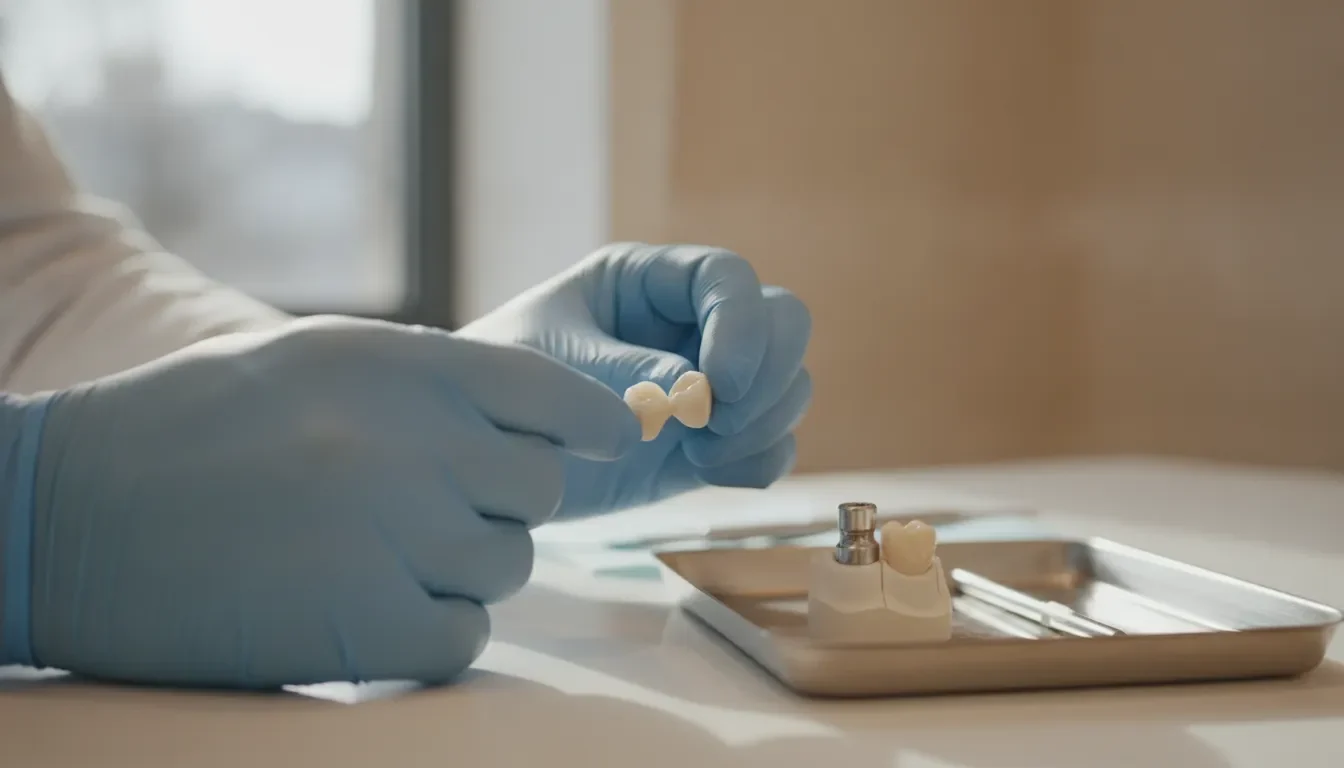
Porcelain veneers are designed to look natural, but they are also a long-term investment in your smile. Porcelain veneers can last for many years when they are cared for and checked regularly. Most last about 10 to 15 years, but individual results vary based on the quality of the bond, the health of the teeth and gums, your bite, and daily habits. A dental exam is the best way to evaluate how a specific veneer is holding up.
Short answer: Porcelain veneers commonly last 10 to 15 years when cared for properly. Some can last longer, but no dentist can promise a specific lifespan without examining the veneer, the bite, and the supporting teeth and gums. A long-term clinical study reported a 96% estimated cumulative survival rate at 21 years for feldspathic porcelain veneers bonded to prepared enamel: review the study.
Good planning and consistent maintenance can help protect that investment. If you are considering cosmetic dentistry in Lowell, understanding realistic longevity is a useful place to start, along with the factors that influence how your veneers hold up over time.
How Long Do Porcelain Veneers Last: What Is the Average Lifespan of Porcelain Veneers?
Porcelain veneers typically last 10 to 15 years with proper care, although many patients enjoy their results longer. A 2018 review found that porcelain veneers lasted at least 10 years in the vast majority of cases. The actual lifespan depends on factors such as the quality of the bonding, the health of the supporting teeth and gums, your bite, and your daily habits.
Research also shows that well-planned treatment can remain successful for decades. In a long-term clinical study of feldspathic porcelain veneers bonded to prepared enamel, the estimated cumulative survival rate was 96% at 21 years. The study described these veneers as having excellent long-term survival and a low failure rate. You can review the study in PubMed.
Porcelain versus composite veneers
Material makes a meaningful difference. Composite veneers generally last about 5 to 7 years, while porcelain veneers commonly reach the 10 to 15 year range. Composite resin can be a practical option in some situations, but it is more likely to require earlier replacement. Porcelain is also highly resistant to staining, so it tends to maintain its color better over time.
| Feature | Porcelain Veneers | Composite Veneers |
|---|---|---|
| Typical lifespan | 10 to 15 years | 5 to 7 years |
| Stain resistance | High | Moderate to low |
| Number of appointments | 2 | 1 (often same-day) |
| Tooth preparation | Thin enamel layer removed | Minimal to none |
| Repair potential | Limited | Easier to repair |
| Cost per tooth | $1,200 to $2,500 | $250 to $1,500 |
These ranges are useful planning estimates, not expiration dates. Some patients have reported porcelain veneers lasting 20 years, but longevity is never guaranteed. A dentist must evaluate the teeth underneath, the bite, and the condition of the veneers before estimating how long a specific case may last.
If you are considering cosmetic dentistry in Lowell, a consultation can help you compare materials and understand which approach fits your goals. Learn more about porcelain veneers treatment, including how careful planning and maintenance support a lasting result.
What Causes Veneers to Chip, Crack, or Discolor Early?
Veneers are durable, but they are not indestructible. Early problems usually develop when repeated pressure, acidic conditions, or plaque exposure overwhelms the veneer, the bonding material, or the underlying tooth. Common risk factors include:
- Biting hard objects: Ice, pen caps, fingernails, and similar objects can place concentrated force on a veneer. Avoiding these habits helps reduce the risk of chips and cracks, especially at the edges of the teeth. Aspen Dental advises avoiding hard objects for this reason.
- Teeth grinding or clenching: Bruxism can subject veneers to strong, repeated pressure while you sleep or during stressful moments. If you wake with jaw soreness, headaches, or flattened natural teeth, tell your dentist before treatment. A custom nightguard may help protect your investment when it is clinically appropriate.
- Inconsistent oral hygiene: Veneers themselves do not decay, but plaque can collect along the gumline and around the cement margin. Over time, that can contribute to gum inflammation, decay in exposed natural tooth structure, or problems with the bond. Brushing gently, cleaning between teeth, and keeping regular dental visits support the surrounding teeth and tissues.
- Frequent acidic foods and drinks: Acidic beverages, citrus, and other acidic foods can soften or weaken the cement margin over time, particularly when exposure is frequent. Rinsing with water afterward and waiting before brushing can reduce the immediate acid challenge. Your dentist can help you create a plan that fits your diet.
- Material differences: Porcelain is highly resistant to staining and generally holds its color better than composite resin. Composite can discolor more readily, especially with frequent exposure to coffee, tea, red wine, or tobacco. Porcelain’s stain resistance is a key advantage over composite, although either material still needs careful hygiene.
These factors also explain why the answer to how long do porcelain veneers last varies from person to person. A careful evaluation can identify grinding, bite, or gum concerns before they shorten veneer longevity.
Daily Habits That Extend Veneer Longevity
Porcelain is durable, but veneers still rely on the health of the teeth and gums beneath them. A few consistent habits can protect the bonding, reduce avoidable stress, and help your smile stay comfortable and attractive for years.
- Brush twice a day with a non-abrasive toothpaste. Use a soft-bristled toothbrush and gentle pressure. Thorough brushing removes plaque without unnecessarily wearing the surrounding enamel or irritating the gumline. Oral hygiene, including regular brushing and flossing, is critical to extending veneer life.
- Floss every day, especially along the gum margin. Guide the floss carefully between each tooth and curve it around the base of the veneer. Plaque left near the gums can contribute to inflammation and compromise the healthy foundation your veneers need.
- Protect your veneers if you grind or clench. If you wake with jaw soreness, headaches, or notice signs of wear, ask your dentist whether a custom nightguard is appropriate. A nightguard can place a protective barrier between the upper and lower teeth while you sleep.
- Do not use your teeth as tools. Avoid chewing ice, pens, fingernails, hard candy, or other rigid objects. These habits create concentrated force that may chip or crack porcelain. For a broader look at material choices and care expectations, see our guide to veneers vs dental bonding.
- Be thoughtful with staining beverages. Porcelain is highly resistant to staining, but frequent coffee, tea, red wine, or dark soda can still discolor exposed natural teeth and create a mismatch. Limit these drinks when practical, rinse with water afterward, and avoid brushing immediately after acidic beverages.
- Keep your six-month dental check-up schedule. Regular exams and cleanings allow your dentist to monitor veneer margins, bonding, bite forces, gum health, and the condition of the teeth underneath. These visits are an important part of maintenance and can identify a small concern before it becomes a larger repair.
At each exam, your dentist can check for open margins, small chips, bite changes, gum recession, and decay in exposed natural tooth structure. Do not wait for pain, because veneers and the teeth underneath can develop problems before they become painful.
Consistent care does not guarantee that veneers will never need attention. But it gives them the best chance of reaching their expected service life while supporting your overall oral health.
Can Porcelain Veneers Be Repaired or Must They Be Replaced?
The right solution depends on the type and location of the damage. A small edge chip may sometimes be smoothed and polished, or repaired with a carefully matched composite material. This approach can restore appearance without replacing the entire veneer, especially when the underlying tooth remains healthy and the repair is stable.
A visible crack is different. Cracks can weaken the veneer and may allow it to separate from the tooth. A veneer that has debonded, fractured, or shifted may need to be replaced rather than patched. Your dentist will examine the veneer, the bonding surface, your bite, and the condition of the tooth underneath before recommending a repair or replacement.
Why replacement is a considered decision
Porcelain veneers are a permanent commitment because the preparation process removes a thin layer of enamel so the veneer can fit properly. If a veneer must be replaced, the tooth will generally need another restoration rather than simply returning to its original untreated state. That is why an evaluation is important before choosing the quickest or least expensive fix.
Repair versus replacement cost
A minor repair is often less expensive than replacing a veneer, but cost should be weighed against durability and appearance. A repair may be appropriate for a limited chip, while repeated repairs can become less predictable or noticeable. Replacement may involve a higher initial cost, but it can provide a better fit and more consistent color when the veneer is extensively cracked or no longer bonded.
With proper care, porcelain veneers typically last about 10 to 15 years, although some last longer. Eventual replacement is therefore part of the long-term planning, not necessarily a sign that treatment failed. Avoid delaying care after damage, since prompt assessment can clarify whether a conservative repair is possible.
How to Know When It Is Time to Replace Your Veneers
Even durable porcelain veneers are not permanent. Some patients have reported wearing veneers for as long as 20 years. But the right replacement timing depends on the condition of the veneers, your gums, and the teeth underneath. Schedule an evaluation if you notice:
- Chips or cracks: Small damage can grow, especially if you bite hard foods or objects.
- Worn or thinning edges: Changes along the margins may affect your bite and the way your smile looks.
- Gum recession: Receding gums can expose the veneer margin or create a visible line near the gum.
- Persistent discoloration: Porcelain resists staining, but discoloration that cannot be polished away may signal that replacement is worth discussing.
- Looseness or debonding: A veneer that moves, feels different, or has partially detached needs prompt professional attention.
Replacement involves designing and bonding new custom shells, and the process is generally similar to your initial veneer placement. Your dentist will assess the veneer, tooth structure, bite, and gum health before recommending the safest option. If replacement is being considered, reviewing the cost of porcelain veneers and whether you have dental insurance for veneers can help you plan. A consultation can also clarify whether a veneer may be repaired or whether a new restoration will provide a more predictable result.
Frequently Asked Questions
How long do porcelain veneers typically last?
With proper care, porcelain veneers commonly last about 10 to 15 years. Their actual service life depends on the quality of the bond, your bite, daily habits, and the health of the teeth and gums supporting them. A dental examination can help estimate how well a specific treatment is likely to hold up.
Can porcelain veneers last longer than 15 years?
Yes. Long-term results can extend beyond the usual range when veneers are bonded to healthy, properly prepared enamel and maintained carefully. One clinical study reported a 96% estimated cumulative survival rate at 21 years for feldspathic porcelain veneers bonded to prepared enamel (PubMed). That result is encouraging, but it is not a guarantee for every patient or every veneer system.
What should I avoid to make veneers last longer?
Do not use your teeth to open packages, and avoid chewing ice, pens, fingernails, or other hard objects. These habits can place concentrated force on the porcelain and lead to chips or cracks. Continue brushing and flossing, and keep regular dental exams so your dentist can monitor both the veneers and the underlying teeth.
Are porcelain veneers permanent?
They are considered a permanent cosmetic treatment because placing them generally involves removing a thin layer of enamel. So the teeth will need veneers or another form of restoration afterward. Permanent does not mean they last forever. Veneers may eventually need repair or replacement if they become damaged, loosen, or no longer fit comfortably.
Schedule Your Cosmetic Dentistry Consultation
Porcelain veneers can be a meaningful part of a smile plan when they are suited to your goals and cared for over time. Book a visit to meet Dr. Gammas and his team and discuss your options, or call (978) 458-1179 to take the next step with Lowell Family Dental Practice.
Written by
Dr. Iham Gammas, DMDBoard-Certified Implant Dentist & Founder, Lowell Family Dental Practice. Fellow & Master of ICOI and IADI. Associate Fellow of AAID.