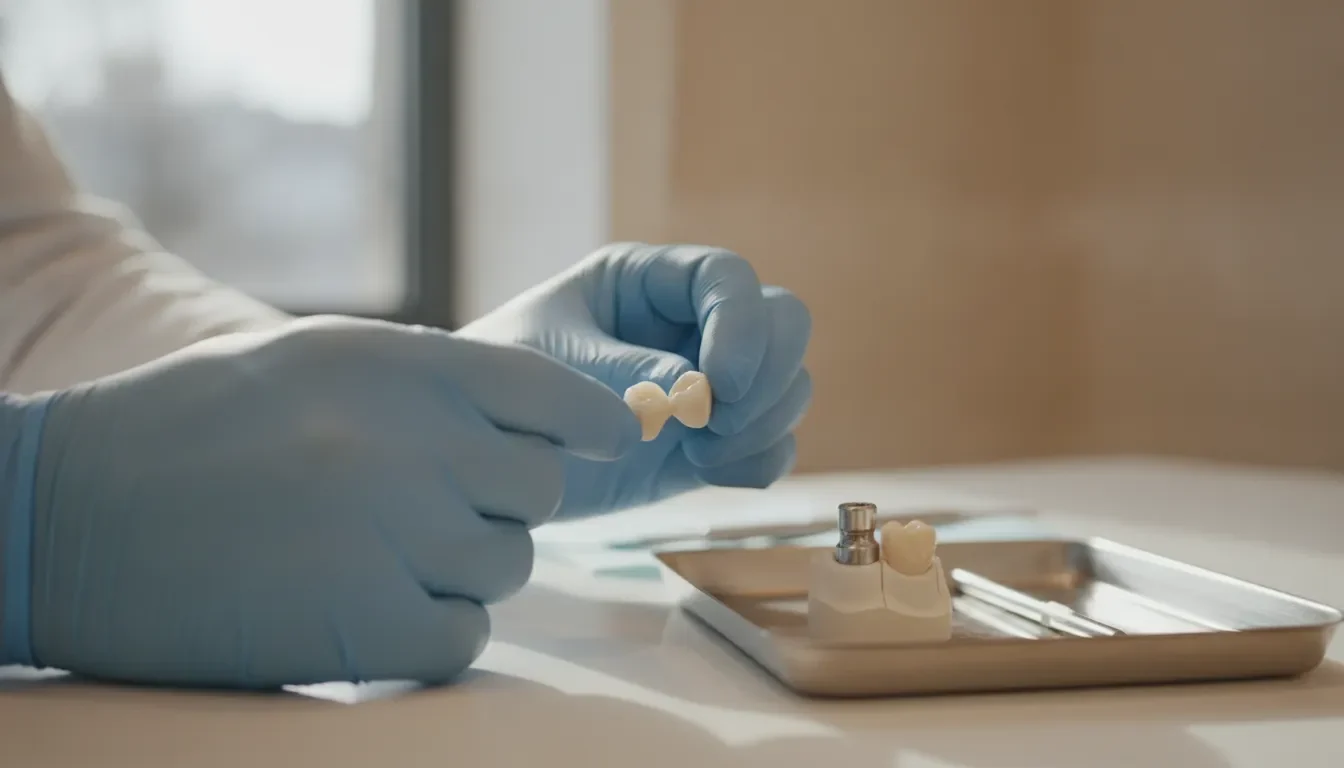
When you smile, a few millimeters of gum can change the balance between your teeth, lips, and gums. If you feel your smile shows more gum than you would like, you are not alone, and the right solution depends on why it happens.
With gummy smile treatment lowell ma patients can address excessive gingival display through a plan tailored to the cause. Which may include gum contouring, crown lengthening, or another cosmetic or periodontal approach. A normal smile typically shows about 1 to 2 millimeters of gum, according to the NCBI, but healthy, attractive smiles can vary.
At Lowell Family Dental Practice, a careful evaluation helps distinguish a gumline concern from factors involving the upper lip, tooth eruption, or jaw position. Understanding that difference is the first step toward a comfortable, natural-looking result and connects your goals with broader cosmetic dentistry in Lowell MA. The causes can be surprisingly different from one patient to the next.
Gummy Smile Treatment Lowell Ma: What causes a gummy smile?
A gummy smile, clinically called excessive gingival display, occurs when more of the upper gum tissue is visible than a person or dentist considers aesthetically balanced during smiling. The amount of gum showing can vary naturally from person to person. Research commonly describes 1 to 2 millimeters of gingival display as a normal range. When the gum-to-lip distance reaches 4 millimeters or more, dental professionals generally consider the display less attractive. Although your comfort and personal goals matter just as much as a measurement. Clinical reference
Several different structures can contribute to this appearance. The upper lip may be short or hypermobile, meaning it rises higher than expected when you smile. In other cases, the teeth may have erupted normally, but too much gum remains covering their crowns. This is known as altered passive eruption. A gummy smile can also relate to vertical maxillary excess, in which the upper jaw has increased vertical height, or gingival hyperplasia, in which gum tissue becomes enlarged. These causes can look similar in a photograph, but they do not call for the same treatment.
A short or hypermobile upper lip
If the upper lip lifts substantially during a smile, it can expose more gum even when the teeth and underlying bone are well proportioned. This is a soft-tissue cause, so reshaping the gumline alone may not address the concern. A careful evaluation of lip movement helps distinguish this pattern from excess gum tissue or a skeletal cause.
Altered passive eruption and gingival tissue
When gum tissue does not move to its expected position after the teeth erupt, the visible crowns can appear short and the gumline may look low. Enlarged gum tissue can create a similar effect. In selected cases, gum contouring or crown lengthening may help create a more balanced proportion. Healthy gums are important before cosmetic treatment, so an evaluation of gum health and periodontal care may be part of the planning process.
Jaw development and tooth position
Vertical maxillary excess and related tooth or jaw relationships may require a different approach from a lip or gum concern. The key first step is identifying the underlying cause. As the clinical literature explains, accurate recognition of the gummy smile’s etiology is critical because it determines the treatment plan and expected outcome. A consultation should assess your smile at rest and in motion, gum health, tooth proportions, lip mobility, and jaw relationships before recommending a procedure. That diagnosis keeps treatment focused on the source rather than only disguising its visible effect.
Source: StatPearls, Excessive Gingival Display
Crown lengthening: the most effective gummy smile correction
When excess gum tissue makes teeth look short, aesthetic crown lengthening can create a more balanced smile by reshaping the tissues around the teeth. It is not a one-size-fits-all solution. Treatment choices vary according to the underlying cause, so a careful examination comes first. The clinical reference from the National Center for Biotechnology Information emphasizes that identifying the cause is essential to selecting the right approach.
Unlike a procedure that only trims visible gum tissue, crown lengthening may address both soft tissue and the supporting bone. That careful approach helps improve smile aesthetics while respecting the biologic width, the natural space needed for healthy gum attachment around a tooth. Understanding biologic width is fundamental to avoiding inflammation and other complications after treatment, according to the University of Pennsylvania dental reference.
- Evaluate the smile and tooth proportions. Your dentist examines how much gum shows when you smile, the visible length of each tooth, the gumline, tooth position, and the supporting bone. This assessment helps determine whether excess gum tissue is the main issue or whether another treatment would better address the cause. A personalized plan is especially important because gummy smile treatments can include several different modalities.
- Plan the new gumline. The treatment plan establishes how much tooth should be exposed and where the gum margin should rest. The goal is a natural, symmetrical appearance rather than simply removing as much tissue as possible. Planning also accounts for biologic width and the patient’s periodontal tissue type. This protects the foundation of the tooth while supporting a predictable aesthetic result.
- Remove excess gum tissue. During the procedure, the dentist carefully reflects or reshapes the gum tissue to expose more of the healthy tooth structure. The amount removed depends on the individual anatomy and the planned gumline. This soft-tissue step can make the teeth appear longer and reduce the visual dominance of the gums.
- Contour the supporting bone when needed. If the bone sits too close to the planned gum margin, limited bone contouring may be necessary. Managing the hard tissue as well as the soft tissue helps preserve biologic width and supports healthier, more stable gum placement. The University of Pennsylvania resource describes this careful management of bone and soft tissue as part of achieving predictable outcomes.
- Allow the tissues to heal and mature. The gumline needs time to settle after surgery. Follow-up visits allow the dental team to monitor healing, confirm that the tissues remain healthy, and assess the developing aesthetic result. Crown lengthening is both a restorative and cosmetic procedure, and it is sometimes underused despite its ability to improve tooth proportions and support restorative work.
For the right patient, crown lengthening can address the source of an uneven or excessive gum display rather than only masking its appearance. A consultation can clarify whether it is the appropriate surgical option for your smile and how it fits into a broader treatment plan.
Gum contouring at Lowell Family Dental: what the procedure involves
Gum contouring reshapes excess gum tissue so the gumline follows a more balanced, natural-looking outline. At Lowell Family Dental Practice, the process begins with an evaluation of your smile. Gum health, tooth proportions, and the amount of tissue that may need to be adjusted. Crown lengthening and gum contouring are commonly used to refine the gumline as part of periodontal and cosmetic care.
How the gumline is reshaped
After discussing your goals and reviewing your oral health, the dentist carefully plans the new gumline. Depending on your anatomy and the amount of tissue involved, gum contouring may be performed with electrocautery, a laser, or a scalpel. These are established approaches described in clinical references, and the appropriate technique depends on the case rather than on a one-size-fits-all formula. The National Center for Biotechnology Information outlines these gum-contouring methods.
Laser treatment can be especially useful when precise soft-tissue shaping is appropriate. The Er,Cr:YSGG laser has been reported as safe and effective for osseous procedures, and advanced laser technology may help minimize discomfort while supporting controlled aesthetic results. The University of Pennsylvania’s dental reference discusses the Er,Cr:YSGG laser and the importance of careful tissue management.
Why biologic width matters
Cosmetic improvement must not come at the expense of gum health. Your dentist must account for the biologic width, the healthy space occupied by the tissues that attach around a tooth. Removing or reshaping tissue without respecting this structure can contribute to complications. Understanding biologic width and different periodontal tissue types is fundamental to healthy outcomes after crown lengthening or other gum procedures.
That is why skill and diagnosis matter as much as the instrument used. A careful clinician will determine whether gum contouring alone is suitable or whether another approach would better address the cause of your gummy smile. At Lowell Family Dental Practice, the goal is to explain your options clearly and provide a stress-free, patient-centered experience. If gum health needs attention first, a periodontal examination can help establish a healthy foundation for cosmetic treatment.
Recovery and results: what to expect after gum contouring
After gum contouring or crown lengthening, most patients appreciate having a clear, personalized recovery plan. The procedure reshapes the gumline, but the tissues still need time to settle into their new position. Lowell Family Dental Practice includes these treatments among its periodontal and cosmetic services, with an emphasis on compassionate, patient-centered care.
The first few days
It is normal to have some tenderness, mild swelling, or sensitivity as the gum tissue begins to heal. Follow the specific instructions provided by your dental team, including how to clean the area and whether a protective dressing or prescribed rinse is appropriate. Use any recommended pain relief exactly as directed, and contact the office if discomfort becomes severe, swelling worsens, or you develop another concerning symptom.
Choose softer foods at first, and avoid chewing directly on the treated area. Very hot, spicy, or crunchy foods may irritate healing tissue. You should also avoid smoking and other activities that can interfere with healing. Gentle, careful oral hygiene remains important, but do not brush or floss the treated area aggressively unless your clinician tells you to do so.
As your gumline heals
Swelling and tenderness generally ease as healing progresses. Your follow-up visits allow Dr. Iham Gammas and his team to check the tissue, answer questions, and confirm that your gumline is healing as planned. Because every smile and procedure is different, your team will explain when to resume normal brushing, exercise, and other activities.
The final aesthetic result becomes clearer after the tissue has matured and any temporary swelling has resolved. Early changes may be visible quickly, but the most accurate assessment comes at follow-up rather than immediately after treatment. Gum contouring and crown lengthening are designed to create a balanced gumline, and results can be lasting when the gums remain healthy and patients follow their maintenance plan.
| Comparison | Gum Contouring | Crown Lengthening |
|---|---|---|
| Primary goal | Reshape excess gum tissue for a balanced gumline | Expose more tooth structure by reshaping gum and bone |
| Tissues affected | Soft tissue (gums) only | Soft tissue and supporting bone when needed |
| Best for | Mild to moderate excess gum display with healthy tooth proportions | Short-looking teeth, altered passive eruption, or restorative pre-treatment |
| Typical recovery | Mild tenderness, heal within days to a week | Longer healing due to bone involvement, follow-up visits required |
| Can combine with veneers | Yes, after healing | Yes, after full healing and tissue maturation |
At Lowell Family Dental Practice, the goal is a stress-free, comfortable experience as well as an attractive smile. Taking time to explain each stage helps you feel informed and involved throughout recovery.
Combining gummy smile correction with veneers
For some patients, reshaping the gumline is only one part of creating a balanced smile. Crown lengthening or gum contouring can reduce excess gum display, while porcelain veneers can refine the visible shape, color, and proportion of the teeth. Used together, these treatments can address both the gum-to-tooth relationship and the appearance of the teeth themselves. Crown lengthening and gum contouring are frequently paired with other cosmetic procedures when a more complete smile makeover is appropriate.
Planning the gumline and teeth together
A successful cosmetic plan should look at more than the teeth in isolation. Dr. Iham Gammas, DMD, DABOI, evaluates gum and tooth proportions when planning cosmetic work. Including how much tooth structure shows, where the gumline sits, and how the smile appears when the lips move naturally. That assessment helps determine whether gum reshaping, veneers, or a combination will provide the most harmonious result.
Veneers may improve concerns such as uneven tooth shape, discoloration, or small gaps, but they cannot correct a gumline that is hiding too much of the tooth. Conversely, reshaping the gums alone may not address teeth that are worn, irregular, or mismatched in color. Combining the treatments allows each procedure to address the concern it is best suited to treat. You can learn more about the broader approach in our guide to cosmetic dentistry in Lowell MA.
Why gum reshaping usually comes first
When both procedures are recommended, gum reshaping is generally completed before veneers. The gumline needs time to heal and settle into its intended position before the final veneers are designed. Waiting also gives Dr. Gammas a stable reference for tooth length, veneer margins, and the overall smile line. Starting with veneers before the gum tissue has healed could make the final proportions less predictable.
Once healing is complete, the teeth and gumline can be reassessed together. The veneer planning stage can then account for the updated gum contours and preserve a natural transition between tooth and tissue. Your consultation will include a discussion of sequencing, candidacy, and the expected goals of each procedure. So you understand why a staged approach may be recommended for your smile.
Frequently Asked Questions
Who is a good candidate for gummy smile correction?
A good candidate is someone who feels that excess gum display affects their smile and has healthy enough gums for treatment. Candidacy depends on why the gums show prominently. A short or hypermobile upper lip, altered tooth eruption, excess gum tissue, and jaw structure can each require a different approach. A careful examination helps match the procedure to the cause.
Is gum contouring the same as crown lengthening?
They are related but not identical. Gum contouring reshapes excess gum tissue to create a more even gumline. Crown lengthening may reshape gum tissue and, when needed, the supporting bone so more of the natural tooth is visible. The appropriate option depends on your anatomy, gum health, and the result you want to achieve.
Does gummy smile treatment hurt?
Most procedures are performed with local anesthesia, so you should not feel sharp discomfort during treatment. Mild tenderness, swelling, or sensitivity afterward can occur as the tissue heals. Your dental team will explain aftercare and recommend appropriate ways to keep you comfortable. Tell the practice about any anxiety or previous difficult dental experiences before your appointment.
How long does it take to recover from gum contouring?
Recovery varies according to how much tissue is reshaped, whether bone is involved, and your individual healing response. The treated area may look swollen or feel tender at first, while the gumline settles over time. Follow the instructions you receive, keep follow-up visits, and wait for your clinician’s guidance before judging the final aesthetic result.
Can veneers be combined with gum reshaping?
Yes. Crown lengthening or gum contouring may be paired with veneers when both the gumline and tooth shape or color need attention. Combining treatments can help coordinate the proportions of the visible teeth and gums, but the sequence should be planned after an examination. Your consultation will clarify whether gum reshaping alone, veneers, or a staged approach best fits your goals.
Ready to schedule your cosmetic gum consultation?
A consultation can help clarify whether gum contouring, crown lengthening, or another approach fits your smile and goals. Lowell Family Dental Practice will take time to explain your options in a comfortable, straightforward visit. To book your cosmetic gum consultation in Lowell, call (978) 458-1179 and speak with the team.
Written by
Dr. Iham Gammas, DMDBoard-Certified Implant Dentist & Founder, Lowell Family Dental Practice. Fellow & Master of ICOI and IADI. Associate Fellow of AAID.