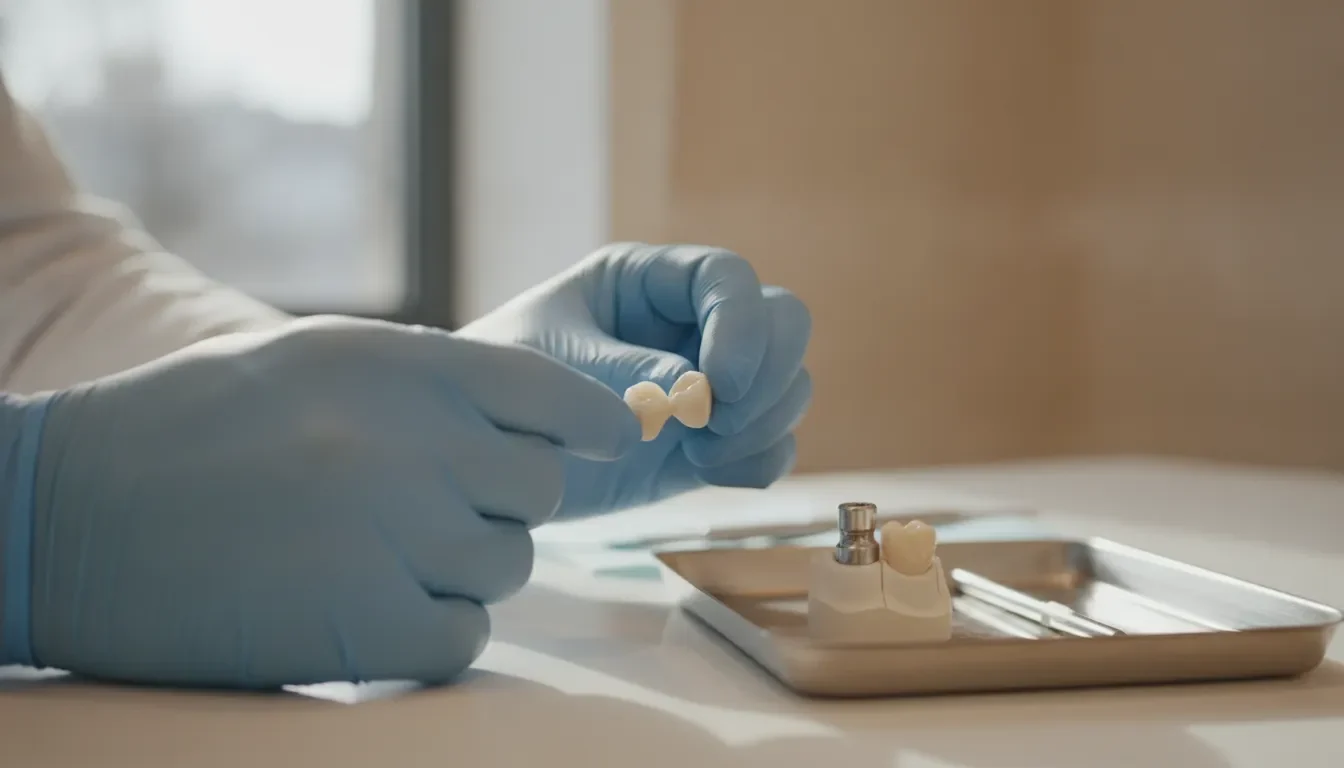
Searching for gum disease treatment Lowell MA patients can trust? The first step is a periodontal evaluation to determine whether you have gingivitis, periodontitis, or another cause of bleeding or sore gums. If deeper infection or tartar is present, your dentist may recommend scaling and root planing, often called a periodontal deep cleaning. For more context on how gum health and patient comfort connect, read our guide to dental anxiety and gum disease.
Schedule your gum disease evaluation in Lowell MA to discuss your symptoms and next steps with our team.

This guide explains what treatment may involve, how many visits you might need, what recovery can feel like, and how maintenance helps protect your results. It is general education, not a diagnosis. A dental professional must examine your gums and supporting bone before recommending care.
What Is Scaling and Root Planing (Deep Cleaning)?
Scaling and root planing is a nonsurgical periodontal treatment that removes plaque and hardened tartar from tooth surfaces, including areas below the gumline. Root planing then smooths exposed root surfaces so bacteria and deposits are less likely to collect there while the gum tissue heals. The exact approach depends on your examination.
Gum disease often starts with gingivitis, which can cause red, swollen, or bleeding gums. When inflammation and bacterial deposits extend into deeper spaces around the teeth, periodontitis can damage the tissues and bone that support them. Because gum disease may not hurt in its early stages, bleeding during brushing or flossing deserves attention even when your mouth feels fine.
The National Institute of Dental and Craniofacial Research explains gum disease as an infection and inflammation affecting the tissues around the teeth. Its guidance reinforces why a professional evaluation matters: home brushing and flossing are important, but they cannot remove tartar that has hardened below the gumline.
| Routine dental cleaning | Scaling and root planing |
|---|---|
| Designed for preventive care when gum pockets and inflammation are limited. | Used when an examination finds deeper deposits or periodontal inflammation that needs targeted treatment. |
| Focuses on removing plaque and tartar from accessible tooth surfaces. | Reaches selected areas above and below the gumline and includes root planing. |
| Often follows a regular preventive schedule. | Visit count and maintenance schedule are individualized to gum health and response to care. |
Scaling and root planing is not simply a longer version of a routine cleaning. It is a treatment planned around periodontal findings. For a related explanation of provider roles, read our guide to whether a general dentist can perform scaling and root planing.
What Happens During a Periodontal Deep Cleaning?
During gum disease treatment, the dental team first reviews your health history and examines your gums. They may measure periodontal pockets, check for bleeding or recession, assess tooth mobility, and use dental X-rays when images are needed to evaluate supporting bone. These findings help determine which areas require treatment and whether a referral is appropriate.
Before treatment
- Tell the team about bleeding, swelling, bad breath, sensitivity, loose teeth, or changes in how your teeth fit together.
- Share medical conditions, medications, allergies, tobacco use, and any concern about dental treatment.
- Ask which areas will be treated, whether local anesthetic is recommended, and how to care for your mouth afterward.
- Ask whether your insurance plan needs a pre-treatment estimate or other paperwork before care begins.
The treatment plan may cover one area, several areas, or the entire mouth. In some cases, care is divided by sections or quadrants so the clinician can work carefully and monitor comfort. There is no single schedule that fits every patient.
During scaling and root planing
Scaling uses dental instruments to remove plaque and calculus from the tooth surface and around the gumline. When deposits extend below the gumline, the clinician cleans those deeper areas. Root planing smooths rough portions of the root surface. Local anesthetic may be used when the treatment area is sensitive or the cleaning extends below the gums.
It is normal to have questions about noise, pressure, water, or the need to pause. Lowell Family Dental Practice emphasizes personalized, stress-free care, so tell the team what helps you feel comfortable. A planned hand signal, breaks, or a step-by-step explanation can make the visit easier. Patients who feel nervous may also benefit from reviewing our guide to dental anxiety and gum disease.
For evidence-based clinical context, the American Dental Association guideline on nonsurgical periodontitis treatment discusses how clinicians evaluate and manage periodontal disease. Your dentist will apply clinical guidance to your findings rather than treating every mouth the same way.
What to Expect During and After a Periodontal Deep Cleaning
After scaling and root planing, your gums may feel tender, sensitive, or different as the tissues respond to treatment. Follow the written instructions from your dental team, keep the area clean as directed, and contact the office if you have a concern that is severe, worsening, or unexpected. Your instructions may vary based on the areas treated and your medical history.
Common short-term experiences
- Temporary gum tenderness or mild bleeding when cleaning the treated areas.
- Tooth sensitivity, especially to cold, while inflamed gum tissue settles.
- A feeling that the teeth or gumline look different as swelling decreases.
- A need to adjust brushing or flossing technique around tender areas.
Do not stop cleaning your mouth completely because the gums feel sensitive. Instead, ask your dental team how to brush and clean between your teeth during recovery. They can recommend the technique and products that fit your treatment plan. Do not start an antibiotic, medicated rinse, or other treatment on your own unless a clinician specifically recommends it.
Call the dental office for guidance if you develop concerning swelling, persistent or severe pain, fever, difficulty swallowing, or another symptom that does not fit the instructions you received. Seek emergency medical care for symptoms that affect breathing, swallowing, or your overall safety.
Your follow-up visit is part of treatment, not an optional add-on. The team may recheck gum inflammation, pocket measurements, bleeding, plaque control, and your home-care routine. That information helps determine whether the tissues are responding and whether additional treatment or a periodontal referral should be discussed.
How Many Appointments Does Gum Disease Treatment Typically Require?
The number of appointments for gum disease treatment depends on the extent and location of the disease, the amount of tartar, your comfort, your overall health, and how your gums respond. Some patients receive treatment in one visit, while others need multiple visits followed by a healing check and an individualized maintenance plan.
A typical care sequence may include:
- Periodontal evaluation: the dentist reviews symptoms, measures the gums, and studies X-rays if needed.
- Treatment planning: the team explains which areas need care and answers questions about comfort, timing, and insurance paperwork.
- Scaling and root planing: the clinician removes deposits and smooths root surfaces in the planned areas.
- Healing or progress check: the team evaluates inflammation, pocket depths, bleeding, and home-care progress.
- Periodontal maintenance: future visits are set according to your risk and response, rather than an automatic one-size-fits-all interval.
A routine cleaning schedule is not the same as a periodontal maintenance schedule. Our article on how often to get a dental cleaning explains why preventive visit timing varies. Patients with active or previously treated gum disease may need a different plan, which should be set after an examination.
Maintenance: What Happens After Initial Gum Disease Treatment?
Initial gum disease treatment removes deposits that cannot be removed with home care, but long-term gum health depends on what happens next. Maintenance combines professional monitoring with daily plaque control. Your dental team will use your examination findings and response to treatment to recommend the right follow-up rhythm for you.
At home, focus on the habits your clinician demonstrates:
- Brush twice daily with a soft-bristled toothbrush and a technique that reaches the gumline without aggressive pressure.
- Clean between teeth every day using floss or another tool your dental team recommends.
- Pay attention to recurring bleeding, swelling, bad breath, recession, or a loose tooth.
- Keep recommended periodontal or preventive appointments, even when symptoms improve.
- Tell the team when a medication, health change, pregnancy, or tobacco use may affect your care.
Do not wait for pain before contacting a dentist. Gum disease can progress quietly, and early evaluation gives the team more information about the least invasive appropriate next step. Lowell Family Dental Practice provides general, preventive, and periodontal-focused dental services in Lowell and can explain when a specialist consultation may be useful.
A maintenance appointment may include a review of home care, gum measurements, plaque and tartar removal, and monitoring for changes. The goal is not merely to clean teeth once. It is to help control inflammation, preserve the supporting structures around the teeth, and identify changes early.
Does Insurance Cover Periodontal Treatment in Massachusetts?
Dental insurance may cover some periodontal examinations, scaling and root planing, or maintenance visits, but benefits vary by plan, diagnosis, frequency limits, waiting periods, deductible, and annual maximum. Coverage is not the same as approval for a specific treatment. Ask the office to review your benefits and contact your insurer with plan-specific questions.
Before treatment, ask:
- Is scaling and root planing a covered periodontal procedure under my plan?
- Does my plan require a pre-treatment estimate or periodontal charting?
- Are there frequency limits, waiting periods, deductibles, or annual maximums?
- Will my plan process different areas or quadrants under separate limits?
- What portion may remain my responsibility after the insurer processes the claim?
Lowell Family Dental Practice can discuss available payment and insurance questions with you, but only your insurer can confirm the terms of your specific policy. Avoid delaying necessary evaluation solely because coverage is uncertain. A dental visit can clarify what is clinically recommended before you decide how to proceed.
Contact Lowell Family Dental Practice to plan your next gum health visit and meet with our team about comfortable, personalized care.
Frequently Asked Questions About Gum Disease Treatment in Lowell MA
Is scaling and root planing the same as a regular cleaning?
No. A routine cleaning is preventive care for accessible tooth surfaces. Scaling and root planing is a periodontal treatment that targets plaque and hardened tartar in areas above and below the gumline when an examination finds deeper inflammation or deposits.
Is gum disease treatment painful?
Comfort varies by the condition of your gums and the areas being treated. Local anesthetic may be used for deeper cleaning, and temporary tenderness or sensitivity can occur afterward. Tell the dental team about anxiety or sensitivity so they can explain options and plan breaks.
Can gum disease be treated without surgery?
Many cases begin with nonsurgical care such as improved home cleaning and scaling and root planing. The right treatment depends on disease severity and response. If deeper pockets or bone changes do not improve as expected, your dentist may discuss other options or a specialist referral.
How do I know if I need a deep cleaning?
You cannot determine that from symptoms alone. Bleeding, swollen gums, persistent bad breath, recession, or loose teeth are reasons to schedule an exam, but periodontal measurements and other findings determine whether scaling and root planing is appropriate.
How quickly should I schedule gum disease treatment?
Schedule an evaluation when you notice ongoing bleeding, swelling, bad breath, sensitivity, gum recession, or a loose tooth. Prompt assessment helps the dental team identify the cause and discuss appropriate next steps before the problem becomes more difficult to manage.
Can a Lowell dentist explain my treatment plan before starting?
Yes. A patient-centered visit should include an explanation of the findings, recommended areas of care, expected appointment sequence, comfort measures, home instructions, and insurance questions. Bring your concerns so the team can make the plan clear before treatment begins.
Book a periodontal exam at Lowell Family Dental Practice to create a treatment and maintenance plan based on your gum health.
Written by
Dr. Iham Gammas, DMDBoard-Certified Implant Dentist & Founder, Lowell Family Dental Practice. Fellow & Master of ICOI and IADI. Associate Fellow of AAID.