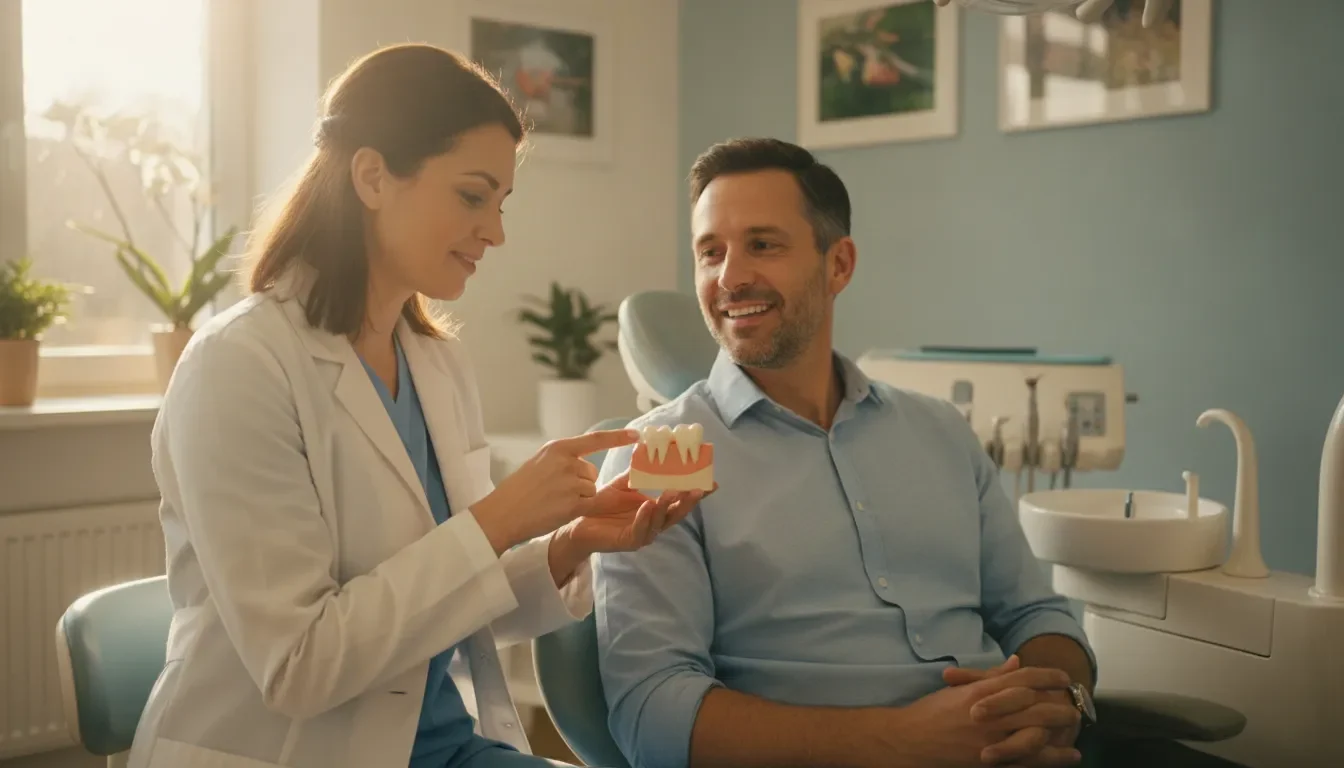
A dental crown can look and feel like part of your natural tooth, so it is easy to assume it will last indefinitely. In reality, crowns are restorations that need the same thoughtful care as the teeth around them, along with regular dental examinations.
Contact Lowell Family Dental Practice to discuss your crown concern and schedule an evaluation.
So, how long does a dental crown last? Many crowns last about five to 15 years. The exact lifespan varies with the crown material, location, bite forces, daily hygiene, and the condition of the tooth underneath, according to Cleveland Clinic. Lowell Family Dental Practice notes that a quality crown may last up to eight years or longer with proper care. But that is not a guarantee for every patient.
A crown may need attention sooner if it becomes loose, painful, sensitive, chipped, or uncomfortable when you chew. The most useful way to understand your restoration’s outlook is to consider how it was placed, how the supporting tooth is doing, and which habits may be placing extra stress on it. The factors below can help explain why longevity differs from one person to another.
How Long Does a Dental Crown Usually Last?
If you are wondering, “how long does a dental crown last,” a reasonable general estimate is about five to 15 years. That range is not a promise or a countdown. A crown’s service life depends on the material, the tooth’s location, your bite forces, daily hygiene, and the condition of the natural tooth underneath. Cleveland Clinic also describes crown longevity in this broad five-to-15-year range, while noting that individual results vary.
Lowell Family Dental Practice explains that a quality crown may last up to eight years or longer with proper care. The words “up to” matter. Some crowns need attention sooner, while others remain comfortable and functional beyond that estimate. Your dentist cannot guarantee a specific replacement date because a crown is part of a larger system. That system includes the restoration, the supporting tooth, the surrounding gums, and your bite.
Why the estimate is not a guarantee
A crown is designed to restore a damaged or weakened tooth, but it does not make the tooth immune to future problems. Decay can develop at the edge of a crown if plaque is not removed, and the underlying tooth may change over time. A crown can also be affected by clenching, grinding, chewing very hard foods, or an injury. These factors can influence whether a crown remains secure and comfortable.
Research on crown survival shows why a single number can be misleading. Different studies use different definitions of “survival,” follow patients for different lengths of time, and include different types of crowns and teeth. The result is useful for setting expectations, but it cannot predict exactly how long one person’s crown will last. Your dentist evaluates the restoration and the tooth beneath it rather than relying on the calendar alone.
Routine examinations give your dental team an opportunity to inspect an existing crown and the surrounding tissues. Contact a dentist for an evaluation if you notice persistent sensitivity, pain, discomfort when chewing, a changed bite, looseness, a chip, or a crack. These signs do not identify the cause by themselves, but they are reasons to have the crown checked rather than waiting for an estimate to expire.
To learn more about dental crown care and treatment options, discuss your restoration with the Lowell Family Dental Practice team.
What Affects How Long a Crown Lasts?
A crown is not working in isolation. Its longevity depends on the restoration, the tooth beneath it, and the conditions it faces every day. Understanding those factors can help you protect the crown and recognize why an evaluation may be useful when something changes.
The crown material and its purpose
| Factor | Why it matters |
|---|---|
| Material and purpose | Different materials balance strength, appearance, and clinical needs differently. |
| Tooth location and bite | Front and back teeth experience different functions and forces. |
| Tooth underneath | Remaining tooth structure, decay, cracks, and prior treatment affect support. |
| Daily care and habits | Hygiene, food choices, clenching, and grinding can affect the restoration. |
Dental crowns can be made from several categories of materials, including ceramics, metal alloys, resin-based composites, and metal-ceramic combinations. Each offers a different balance of strength, durability, appearance, and other clinical considerations. The best choice depends on the tooth being restored, how much tooth structure remains, and your treatment goals. Avoid judging a crown by material alone. Proper selection and fit matter, and no material guarantees a particular lifespan.
Tooth location and bite forces
Front and back teeth have different roles. A front tooth may place greater emphasis on appearance and the forces involved in biting, while a back tooth commonly carries substantial chewing pressure. Clenching or grinding can add force beyond ordinary chewing and may affect the crown, the cement holding it in place, or the tooth supporting it. If you wake with jaw soreness, notice worn teeth, or know that you grind, mention it during an examination. Your dentist can discuss ways to reduce the risk to your restoration.
The condition underneath the crown
A crown covers and protects a tooth, but it does not make the natural tooth and surrounding gums independent of daily care. Decay, gum problems, a crack, or loss of tooth structure can affect the support beneath the restoration. When a tooth has been heavily damaged, it may need additional rebuilding before a final crown can fit securely. Learn more about how a crown buildup supports the tooth when a weakened tooth needs a stronger foundation.
Previous treatment and daily conditions
Crowns are often used after root canal treatment, extensive decay, cracks, or other damage. A tooth that has undergone significant treatment may require careful follow-up because the original problem and the remaining tooth structure are part of the restoration’s long-term picture. If a post helps support the restoration after root canal treatment, you can review care for a post-and-crown restoration and discuss any concerns at your visit.
Finally, oral hygiene and food choices influence the tissues and tooth structure around a crown. Brushing twice daily, cleaning between teeth, limiting sticky sugary foods, and avoiding ice or hard candy can help protect the area. Regular examinations allow the crown, gums, and underlying tooth to be monitored together. That complete picture is more useful than relying on a calendar estimate alone.
Contact Lowell Family Dental Practice to discuss crown care, bite concerns, or the next step for a restoration that feels different.
Daily Habits That Help Protect a Crown
A crown is part of your daily smile, so caring for it is much like caring for your natural teeth. Small, consistent habits help reduce plaque around the restoration and support the tooth and gum tissue nearby. They can also help you notice changes early, before a minor concern becomes more disruptive.
Keep the area clean
A simple daily routine can help protect a crown:
- Brush twice a day with a soft-bristled toothbrush and fluoride toothpaste, using gentle pressure along the gumline and around the crown.
- Floss nightly, guiding the floss carefully around the crown and beneath the gumline where plaque can collect.
- Ask your dentist or hygienist to demonstrate another cleaning option if regular floss is difficult to use.
Preventive care is useful for the rest of your mouth as well as the crowned tooth. You can review additional preventive dental care guidance and discuss any challenges during a visit.
Be thoughtful about foods and habits
Sticky sugary foods can cling around the crown and gumline, making plaque control more difficult. Limiting them and rinsing with water afterward can support a cleaner mouth. Avoid chewing ice, hard candy, or brittle foods with a crowned tooth. These items can place sudden force on the restoration and may contribute to a chip, crack, or loss of adhesion.
Clenching or grinding can also put extra pressure on a crown, especially when it happens during sleep. Tell your dentist if you wake with jaw soreness, headaches, tooth tenderness, or signs of wear. A dentist can evaluate your bite and discuss whether any protective approach is appropriate for you. Do not start using a mouthguard without professional guidance, since the right choice depends on your teeth, bite, and restoration.
Keep regular dental visits
Examinations and cleanings give your dental team an opportunity to inspect the crown, surrounding gums, and tooth underneath. Regular visits can also help identify changes in your bite or areas that are difficult to clean. Regular dental examinations can give a dental team an opportunity to inspect existing crowns and surrounding tissues. If your crown feels loose, painful, unusually sensitive, or different when you bite, schedule an evaluation rather than trying to adjust it yourself. With practical home care and individualized follow-up, you can give your restoration the best support possible without assuming every crown will last the same amount of time.
What Signs Mean a Crown Needs Attention?
A crown can remain comfortable and functional for years, but a new or persistent change is worth discussing with a dentist. Pain, sensitivity that does not settle, or discomfort when chewing may have several possible causes. These symptoms do not prove that a crown has failed, and they cannot be interpreted reliably without an examination. An evaluation can help determine whether the concern involves the crown, the natural tooth underneath, the gums, or another tooth in the area.
Changes in comfort or function
Contact your dental office if you notice pain around the crown, sensitivity that continues after eating or drinking, or discomfort when biting down. A changed bite is another reason to schedule a visit, especially if the crown suddenly feels too high or your teeth no longer meet as they did before. Do not repeatedly test the area by chewing hard foods. Until you receive guidance, choose softer foods and avoid using a painful tooth to bite.
A crown that feels loose, rocks, or seems to move should be evaluated promptly. Loss of retention is one possible reason a restoration may become mobile, but movement can also reflect changes in the supporting tooth or surrounding tissues. If the crown comes off, keep it in a clean container and call your dentist for instructions. Do not use household glue or try to force it back into place.
Visible damage or gum concerns
Chips, cracks, rough edges, or a piece that seems to be missing also warrant a professional assessment. Ceramic restorations can be susceptible to chipping and fracture, but a visible defect does not by itself indicate the treatment that will be needed. Depending on the findings, a dentist may discuss monitoring, repair, adjustment, or replacement. You can review what to do if a crown or tooth breaks while arranging care.
Pay attention to gum swelling, bleeding, tenderness, redness, or a recurring unpleasant taste near the crown. These signs may involve plaque, the gum tissue, or the tooth beneath the restoration. They are reasons to request an exam rather than signs to self-diagnose. Mention changes in existing crowns or other restorations during a dental visit so a dentist can assess them before they become more disruptive.
Does a Crown Need Replacement on a Set Schedule?
Not necessarily. A crown does not automatically need to be replaced simply because it has reached a certain birthday. Although research reports that crown survival varies over time, an individual crown’s condition depends on the health of the tooth underneath, the surrounding gums, bite forces, oral hygiene, and whether the restoration remains secure. The practical answer to “how long does a dental crown last” is therefore different for each patient.
Routine dental examinations provide an opportunity to inspect existing crowns and other restorations. The dentist may look for changes at the crown’s edges, signs that the supporting tooth needs attention, gum changes, wear, or a shift in how the teeth come together. These findings help guide the next step instead of relying on a calendar date. You can learn more about dental crown care and treatment options before your visit.
The crown and the tooth underneath are assessed together
A crown is the visible restoration, but the natural tooth beneath it still matters. A crown may become loose, chipped, cracked, worn, or less well sealed. The supporting tooth can also develop concerns that are not visible from a quick glance. Because replacing a crown may involve preserving the remaining tooth structure, the dentist needs to evaluate both parts before recommending repair, replacement, or continued monitoring.
Sometimes a minor issue may be manageable without replacing the entire crown. In other cases, the restoration may no longer provide the protection the tooth needs. The appropriate choice depends on the examination and any relevant images or tests, not on self-diagnosis from a symptom or on the crown’s age alone. If you notice persistent sensitivity, pain, looseness, a crack, chewing discomfort, or a changed bite, arrange an evaluation rather than trying to adjust the crown yourself.
Questions to bring to your Lowell dental visit
A clear conversation can make the decision easier. Consider asking:
- Does the crown and the tooth underneath appear healthy?
- Is the issue something that can be monitored or repaired?
- If replacement is recommended, what problem would it address?
- How might my bite, grinding, hygiene, or gum health affect the restoration?
- What care steps should I follow while deciding what to do next?
Patients in Lowell and nearby Greater Lowell communities are welcome to raise these concerns during a regular examination or request an appointment for a crown that feels different. A careful assessment and an explanation of the available options can help you make a decision based on your tooth’s current condition rather than an automatic replacement schedule.
How Tooth Location and Crown Goals Shape Care
A crown is designed around more than the visible portion of a tooth. Your dentist also considers where the tooth sits, how you use it, how much healthy structure remains, and what you want the restoration to accomplish. These details help guide the crown’s shape, fit, appearance, and care plan.
Front teeth balance appearance and function
Front teeth are prominent when you smile and speak, so color, contour, and the way the crown blends with neighboring teeth may be especially important. They still need to handle everyday biting, but the cosmetic goal can be a larger part of the conversation. A front-tooth crown may be appropriate when the tooth is weakened, extensively damaged, or needs more coverage than a conservative cosmetic treatment can provide. If appearance is the main concern and the tooth is otherwise suitable, you can compare crowns with front-tooth veneers with your dentist.
Back teeth manage heavier chewing demands
Back teeth help break down food and may experience substantial force during chewing. Clenching or grinding can add stress, particularly when a tooth has already lost structure through decay, a crack, or prior treatment. That does not mean every back tooth requires the same design or that a front crown follows one fixed formula. The choice depends on the tooth, your bite, and the balance between strength, durability, and appearance. The American Dental Association notes that indirect restorative materials differ in their physical properties, clinical uses, and cosmetic considerations, so material selection is case-specific: learn how restorative materials are selected.
The condition underneath the crown matters in either location. A tooth with limited remaining structure may need additional support before the final restoration is placed. A tooth treated with a root canal may require a different planning discussion. During an examination, ask how the tooth’s location, bite, remaining structure, and appearance goals affect your options. These factors are more useful than relying on a calendar answer to how long does a dental crown last, because individual care needs and risks vary.
Contact Lowell Family Dental Practice before replacing a crown so you can discuss your restoration and next steps.
Frequently Asked Questions
How often should crowns be replaced?
There is no automatic replacement date for every crown. A dentist evaluates the crown, the tooth beneath it, the surrounding gums, your bite, and any symptoms before recommending repair or replacement. With consistent brushing, flossing, regular examinations, and protection from damaging habits, a crown may remain useful for many years, but individual results vary.
Can a tooth under a crown last a lifetime?
A tooth under a crown may remain healthy for many years, but a crown does not make the tooth immune to decay, gum problems, cracks, or other changes. Keeping the crown margin and surrounding teeth clean is important. An exam is the best way to assess the tooth underneath because symptoms alone cannot show the full condition.
How many times can a tooth be crowned?
A tooth may sometimes be crowned again, but the answer depends on how much healthy tooth structure remains and why the current crown needs attention. Repeated treatment is not decided by a set limit. Your dentist can explain whether repair, replacement, or another approach best protects the remaining tooth.
What should I do if my crown feels loose or hurts?
Arrange a dental evaluation rather than trying to adjust or reattach the crown yourself. Pain, lasting sensitivity, looseness, a crack, a chip, discomfort when chewing, or a changed bite can all warrant prompt attention. Until you receive advice, avoid chewing hard or sticky foods on that side and keep the area gently clean.
Ready to Talk About Your Crown?
Contact Lowell Family Dental Practice to schedule an evaluation for a loose, painful, damaged, or aging crown and discuss your options with Dr. Gammas and his team.
Written by
Dr. Iham Gammas, DMDBoard-Certified Implant Dentist & Founder, Lowell Family Dental Practice. Fellow & Master of ICOI and IADI. Associate Fellow of AAID.