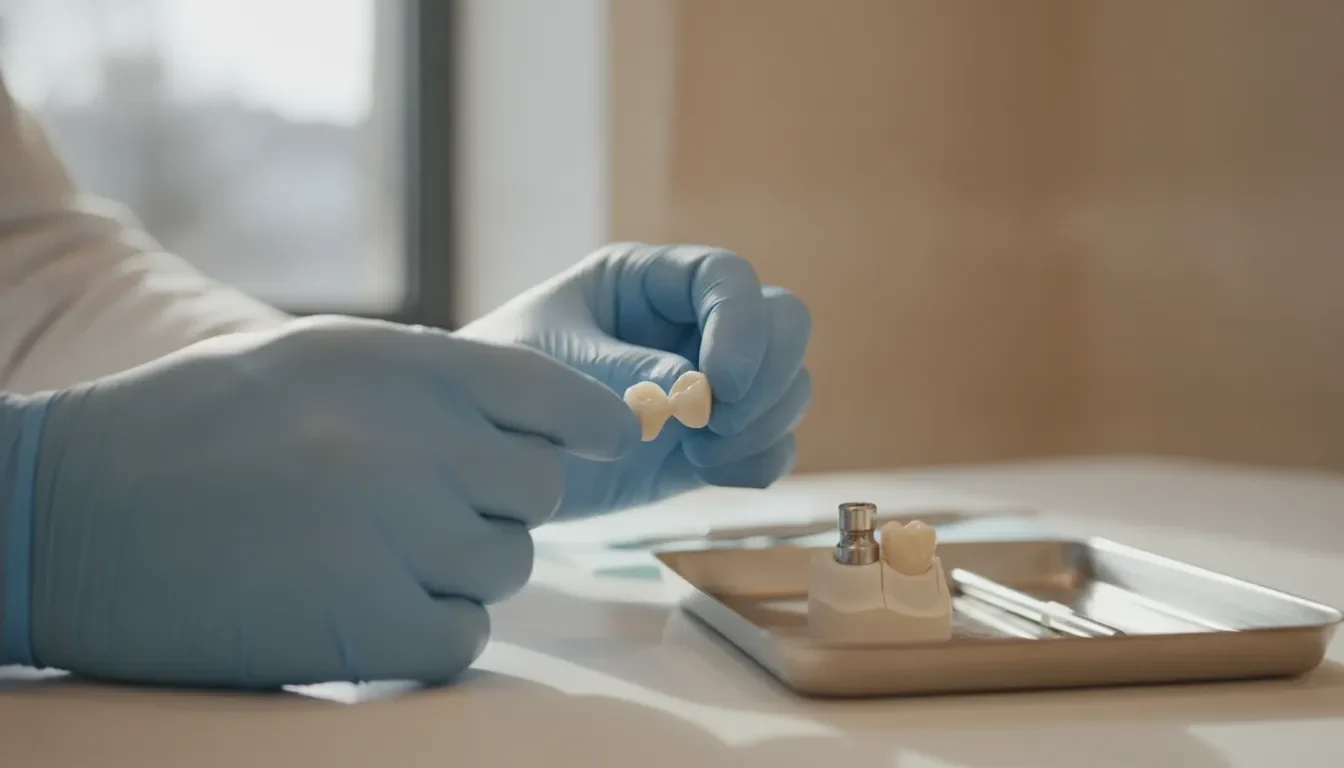
If you are wondering how much is a dental cleaning without insurance, the most useful answer is that the total depends on what the visit includes. A routine cleaning may be priced differently from a visit that also includes an exam, X-rays, or care for gum disease. Ask for an itemized estimate before you book so you can compare the same services rather than a single headline price.
This guide explains the factors that can change a cleaning bill, what to ask when you call, and how to review an estimate if you do not have dental insurance. It is general information, not a quote for your care; a dental team can clarify what services are appropriate after learning about your needs.
How Much Is a Dental Cleaning Without Insurance, and What Does the Visit Include?
The phrase “dental cleaning” can refer to different combinations of services. One office may quote a cleaning by itself, while another may discuss a visit that also includes an exam or diagnostic imaging. The same label does not always mean the same appointment.
Before comparing prices, ask what the quoted fee covers. Common items to clarify include:
- Whether the fee is for a cleaning only or includes a dental exam.
- Whether X-rays are recommended or included in the estimate.
- Whether the visit includes a periodontal evaluation.
- Whether any additional treatment is being proposed separately.
- Whether the quoted amount is an estimate or a confirmed fee for the described services.
Routine preventive services and treatment for a specific problem are different appointment types. If you have pain, swelling, bleeding gums, or another concern, mention it when scheduling so the office can plan the right evaluation.
How Much Is a Dental Cleaning Without Insurance? What Affects the Cost?
There is no single fee that applies to every patient and every visit. These are the main details that can change what an office recommends and what appears on an estimate:
Which services are part of the appointment
A cleaning alone differs from a visit that includes an exam or X-rays. Each service may be listed separately. Ask whether the estimate is for the cleaning only, and request the fees for any additional items that may be recommended.
Your oral health and care needs
A routine preventive cleaning may not be the right service for every situation. The amount of buildup, gum health, symptoms, and time since your last visit can affect the clinician’s assessment. If a different type of care is appropriate, ask the dental team to explain why and provide a separate estimate before treatment.
Whether imaging is needed
X-rays are not automatically the same for every patient. Ask if imaging is included, whether it is recommended for your situation, and whether existing images can be reviewed. The dental team can explain the reason for any imaging it proposes. For a plain-language overview of how dental images are used, see the practice’s information about dental X-rays.
Whether you are a new patient
A first visit may involve getting to know your health history and assessing your needs. Confirm whether the office’s new-patient appointment includes an exam, cleaning, imaging, or some combination. Do not assume a promotional or advertised fee includes every item you may need. The practice’s new-patient information can help you understand what to prepare and what to ask.
How can you compare estimates fairly?
Request written details from each office. Then compare like with like. A lower quoted figure may cover fewer services, while a broader estimate may itemize an exam and imaging as well as cleaning. This table can help organize the questions:
| Estimate detail | What to confirm | Why it matters |
|---|---|---|
| Cleaning | Is this a routine cleaning, and what does the fee include? | Clarifies the central service being compared. |
| Exam | Is a dentist’s exam included or billed separately? | Shows whether the quote covers an assessment as well as cleaning. |
| X-rays | Are images included, recommended, or optional for this visit? | Prevents unexpected additions and helps you understand the plan. |
| Additional care | Would any other treatment be separate, and can I review its cost first? | Keeps preventive services distinct from treatment recommendations. |
| Payment | What payment methods or arrangements are available? | Lets you plan for the amount and timing of payment. |
Write down the date of the estimate and the services listed. If you receive estimates from multiple offices, check that each one describes the same services and assumptions. Ask whether the final amount could change after an examination, and what would prompt that change.
For instance, one quote might describe a cleaning alone, while another lists an exam and imaging too. Neither figure is useful for comparison until you know what is included. You can make a simple worksheet with a column for each office and rows for cleaning, exam, images, any separate treatment, and payment timing. Mark any item listed as “to be determined” and ask what information would settle it. This approach helps you avoid deciding on a total before the clinical team has explained the visit.
What should you ask before booking?
A few clear questions can make a phone call more useful. You can ask:
- “What is the fee for a cleaning without insurance?”
- “Does that amount include an exam or X-rays?”
- “If I am a new patient, what is included in the first visit?”
- “Could my symptoms or gum health mean I need a different appointment?”
- “Will I receive an estimate before any additional treatment?”
- “What payment options can I ask about?”
Share relevant details, such as when you last had a cleaning and whether anything hurts or feels different. You do not need to decide on treatment during the first call. The aim is to understand what the appointment is for and what costs may be discussed. If you are unsure which service to request, describe the concern in your own words and let the team guide the scheduling conversation.
Make the call specific
When you call, distinguish between asking for a cleaning fee and asking for the likely cost of a full visit. State whether you have been seen at the office before, whether you have recent dental images, and whether you have a symptom that should be evaluated. Ask the staff member to repeat the services included in the number quoted. If any fee depends on an exam, ask for that distinction to be noted clearly rather than treated as a guaranteed total.
It may also help to ask how long an estimate remains current, whether payment is due at the visit, and whether the office can provide the estimate in writing. These are practical questions, not a commitment to proceed. You can take time to review the details and call back if you need clarification.
Can you use a dental plan or public coverage?
If you qualify for a public program or have access to a separate dental plan, check its rules and participating providers before scheduling. Coverage varies, and enrollment does not guarantee that every service is paid for. Healthcare.gov explains dental coverage in the Marketplace, including that dental benefits may be included with some health plans or offered through separate dental plans.
When reviewing a plan, check whether the dentist participates, which services are covered, and whether the plan has waiting periods, limits, or patient cost-sharing. Ask the plan administrator how it handles the specific services on your estimate, and verify those details before the appointment.
If you are considering paying directly, ask the office for its current fees and payment arrangements. Lowell Family Dental Practice notes that financing is available through Proceed Finance and CareCredit for its implant offering; do not assume those arrangements apply to a cleaning. Confirm directly which options, if any, apply to the services you are considering. You can review the practice’s financing information and ask the team about applicability.
How can you prepare for the visit?
Bring a list of medications and relevant health information, and tell the dental team about changes in your health or concerns about your mouth. If you have records or recent X-rays from another office, ask whether they can be shared for review. This may help the team understand your history, but it is the clinician who determines whether new images or other steps are appropriate.
Before leaving home, confirm the appointment type and any expected payment. If the estimate changes after an examination, ask for an explanation and a written outline of recommended services. You can ask what is urgent, what can wait, and what the cost is before agreeing to additional care.
Bring the details that help the team plan
Make a short note of your last cleaning date if you remember it, any changes in your gums or teeth, and questions about the estimate. Tell the office if you have a dental plan or are paying out of pocket, so the team can explain what information it can provide. If another office has taken recent X-rays, ask how to request a copy and where it should be sent. Existing images do not always replace new ones; the clinician will decide whether they are adequate for the current evaluation.
At check-in, confirm the type of appointment and ask whether the estimate you discussed is still the one on file. During the visit, pause if a new service is proposed and ask what it addresses, whether it is separate from the planned cleaning, and how much it would cost. Understanding the reason and fee before agreeing helps keep the discussion clear. You may ask for a written plan and time to consider it, except where the clinician explains that a concern needs prompt attention.
What if a routine cleaning is not the right appointment?
A cleaning quote may not answer the question you have if your main concern is pain, swelling, a broken tooth, or bleeding gums. Mention symptoms when requesting an appointment rather than waiting until the visit. The office can help determine what type of evaluation to schedule, and the clinician can explain any recommended next steps after assessing you.
Likewise, a recommendation for a different type of cleaning does not automatically mean that the original quote was misleading. It may mean the appointment needs to address a different clinical situation. Ask the team to explain the difference in plain language, identify which services are being proposed, and provide a separate written estimate. You can ask whether any part is preventive, whether treatment is being recommended, and whether follow-up visits may be involved.
If you have severe or rapidly worsening symptoms, contact a dental professional promptly for guidance. General cost information cannot determine the cause of a symptom or replace an examination. Make sure the office knows what you are experiencing so it can advise you about an appropriate next step.
Explore the practice’s dental services, learn more about the office, or meet the dental team before arranging a visit. For scheduling questions, use the contact page.
Contact the practice to discuss an appointment
Frequently asked questions
Can I get a cleaning without an exam?
Policies and clinical needs vary. Ask the office whether it offers a cleaning-only appointment and whether a clinician needs to examine you first. The team can explain what is appropriate for your circumstances.
Will a cleaning quote include X-rays?
Not necessarily. Ask whether imaging is included or billed separately, and why it may be recommended. The dental team can consider your history and needs when discussing imaging.
What if the office recommends additional treatment?
Ask what the treatment is for, whether it is separate from the cleaning, and what it will cost. Request time to review a written estimate before you decide, unless the clinician explains a time-sensitive concern that needs prompt attention.
What if I have dental pain as well as no insurance?
Tell the office about the pain when you call. A routine cleaning may not address the cause, so explain when it began and whether you have other symptoms. The team can help determine what kind of appointment to request.
A clear estimate starts with knowing which services are included. Ask questions before booking, and review any recommended care and fees with the dental team before proceeding.
Written by
Dr. Iham Gammas, DMDBoard-Certified Implant Dentist & Founder, Lowell Family Dental Practice. Fellow & Master of ICOI and IADI. Associate Fellow of AAID.