After a tooth extraction, it is normal to wonder how to keep your mouth clean without disturbing the healing area. In most cases, wait until 24 hours after the procedure before beginning a salt-water rinse. The exact timing may depend on your dentist’s instructions, so follow the directions given for your extraction.
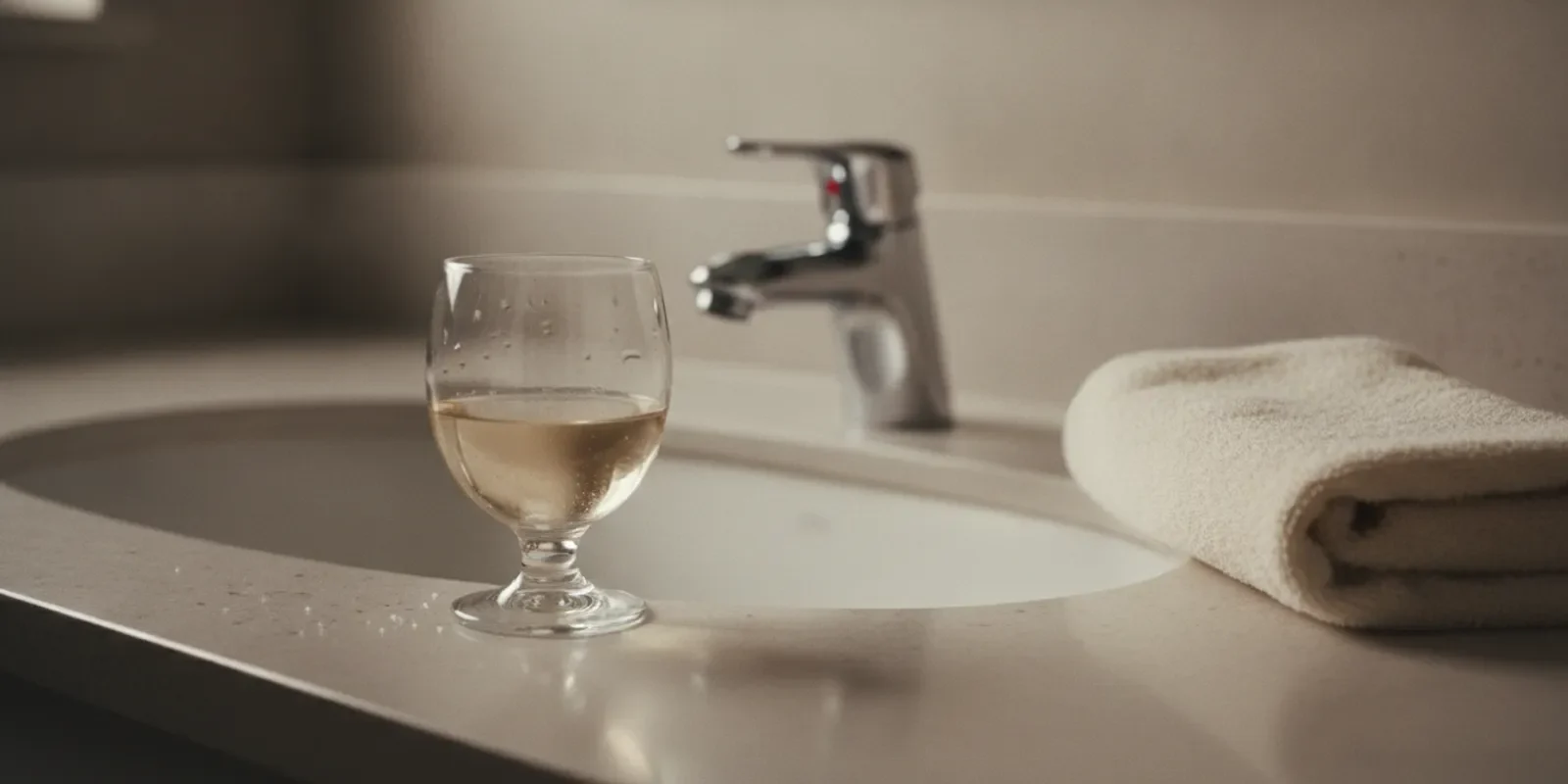
When can you start rinsing with salt water after tooth extraction?
The usual starting point is 24 hours after the tooth is removed. During the first day, a blood clot forms in the socket. That clot protects the area as healing begins. Vigorous swishing, forceful spitting, or poking at the site too soon may disturb it. Waiting for the full 24 hours gives the initial clot time to settle.
For example, if your extraction appointment ended at 11 a.m. on Tuesday, the general 24-hour mark is 11 a.m. Wednesday. Do not start earlier simply because the mouth feels ready. If your dentist gave different instructions because of the procedure or your health, follow those instructions instead.
University College London Hospitals’ extraction instructions advise beginning warm salt-water mouthwash 24 hours after extraction and rinsing gently, especially after eating. This is general guidance, not a substitute for the plan your own dental team gave you.
How do you make and use a gentle rinse?
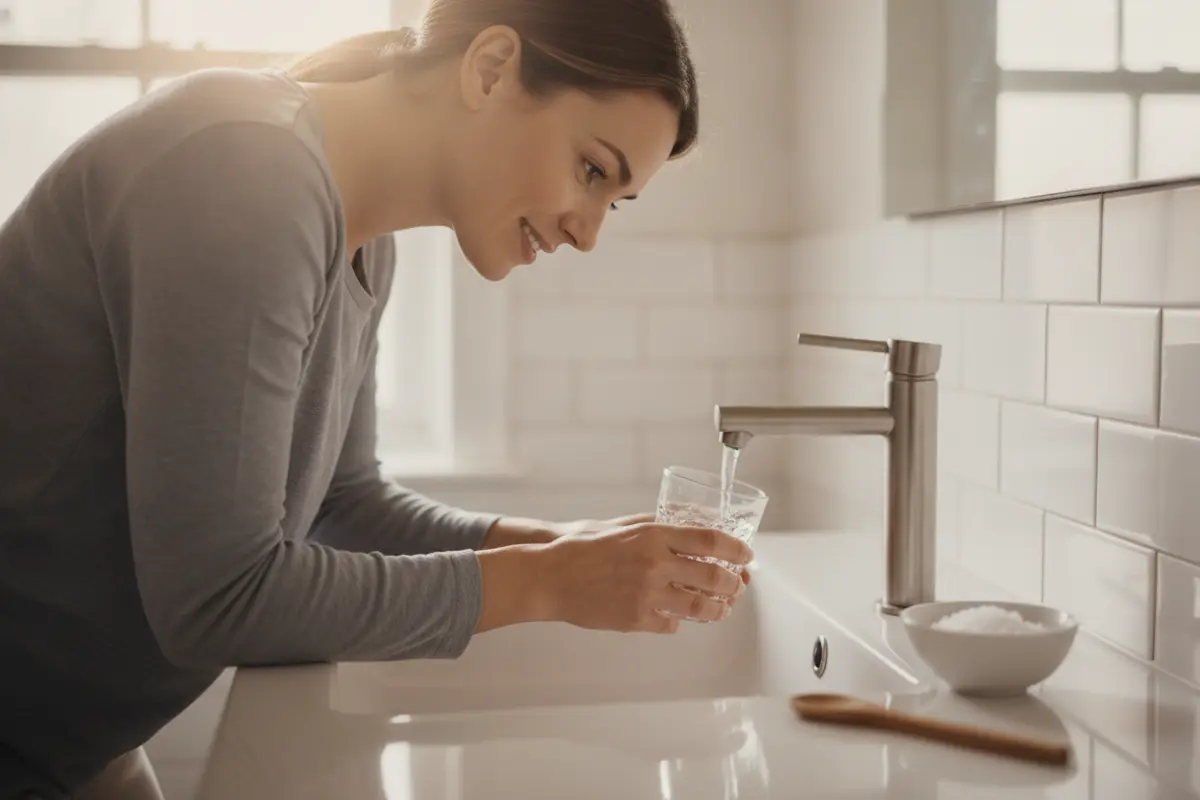
A simple mixture commonly used after an extraction is about half a teaspoon of salt in a cup of comfortably warm water. Stir until the salt dissolves. The water should not be hot. A stronger mixture is not necessarily better and may feel irritating, so do not add extra salt unless your dentist specifically recommends it.
- Take a small sip rather than filling your mouth.
- Let the liquid rest in your mouth, then gently tilt your head from side to side.
- Allow the water to move around the mouth without forcefully swishing it over the socket.
- Lean over the sink and let the liquid drain out. Avoid spitting hard.
The goal is to keep the mouth comfortable and clear, not to scrub the extraction site. If you cannot rinse comfortably, stop and ask your dental office how to proceed. Use a fresh mixture when needed, and do not try to direct a stream of water into the socket.
A rinse after meals may help clear loose food from the mouth once the first 24 hours have passed. Follow the frequency your dental team recommends. If food seems lodged and gentle rinsing does not clear it, do not dig at the area with a finger, toothpick, cotton swab, or brush. Ask for advice instead.
What should you avoid in the first 24 hours?
During the initial day, avoid actions that create force or suction in the mouth or disturb the healing area. Your written instructions take priority, since recommendations can vary based on the extraction and your health.
- Do not rinse or spit forcefully.
- Do not touch, probe, or try to clean inside the socket.
- Avoid using a straw or creating suction unless your dentist says otherwise.
- Avoid smoking or vaping while the area heals; ask your dental team about timing.
- Choose foods and activities according to your aftercare instructions, and avoid anything that irritates the site.
Keep your mouth clean while being careful around the extraction. Brush the other teeth gently, but avoid brushing directly over the site early on. Ask when to resume brushing near the area. If you have a mouth rinse or other product at home, do not assume it is appropriate after an extraction; check the instructions or ask your dentist.
How should you plan the first few days?
Thinking through a few ordinary moments can make the timing easier to follow. If you are discharged in the morning, note the exact time the 24-hour interval ends rather than counting by calendar day. If you leave in the evening, the first rinse may fall the next evening, not at breakfast the next morning. Your written instructions may give a different schedule, so use that when it does.
Prepare only what you need: a clean cup, table salt if your dentist recommends it, and comfortably warm water. There is no need to make a large batch and store it. If the mixture cools, make a fresh one rather than heating it until it becomes hot. A temperature that feels comfortable against your lips is a practical check, but do not use water that could burn tender tissue.
When you begin, try one gentle rinse and pay attention to how it feels. The liquid should move without vigorous cheek or tongue motion. Let it fall from your mouth into the sink. If you are uncertain whether you are rinsing too forcefully, reduce the movement; the goal is not to pressure-wash the socket. Follow the frequency on your care sheet rather than repeating the rinse every few minutes.
A simple plan can help you avoid uncertainty. Before leaving your appointment, make sure you know when to begin rinsing, how to manage bleeding or discomfort, what foods and activities to avoid, and whom to contact if a question comes up. Keep the written instructions somewhere easy to find. If a direction is unclear, call the office rather than guessing.
On the first day, focus on following the instructions you received and leaving the socket alone. Once the 24-hour point has passed, use gentle warm salt water only as directed. Continue brushing other teeth carefully. Do not repeatedly inspect the socket or try to remove material that appears to be inside it.
After meals, consider whether a gentle rinse is part of your instructions. Keep the movement mild, allow the liquid to fall out, and stop if it causes new bleeding or marked discomfort. When away from home, plain water may be easier to use if your dental team says rinsing is appropriate; avoid substituting a harsh or medicated product without advice.
Recovery instructions can vary. A simple extraction may not have the same directions as a more involved procedure, and your dentist may account for medicines or health conditions. If you were given specific written guidance, use it as your reference rather than combining it with unrelated advice you find elsewhere.
How can you manage meals and daily routines?
Meals are one reason patients ask about rinsing. Choose foods and textures according to the directions from your dentist, and avoid chewing directly on the extraction area if advised. Once rinsing is allowed, a gentle rinse after eating may help clear residue from the mouth. It is not a reason to poke into the socket if a small piece seems to remain. Let the area settle and seek advice if the concern persists.
Plan your first day with fewer avoidable interruptions. Keep water nearby, make your aftercare sheet accessible, and ask someone helping you to follow the same directions. If you need to travel, pack the written instructions and contact information. Do not improvise with vigorous rinsing in a public restroom because the mouth feels coated; wait until you can use the gentle approach described by your dental team.
Brushing also needs a careful distinction: keeping the rest of the mouth clean does not mean brushing directly over a fresh socket. Use a soft, controlled approach on other teeth and avoid letting a brush strike the site until your dentist says it is appropriate. If brushing triggers bleeding or discomfort, stop near the area and ask what to change. Good hygiene should not require scrubbing the healing tissue.
What changes are expected, and when should you call?
Some soreness, mild swelling, or a small amount of blood-tinged saliva can occur after an extraction. What is expected varies with the tooth and procedure. Follow the instructions you received and contact the dental office if you are unsure whether a change is part of recovery.
Call your dentist promptly if bleeding does not settle with the measures you were given, pain or swelling is worsening rather than improving, or you notice a fever, discharge, a new bad taste or odor, or another change that concerns you. Do not try to diagnose the cause or treat the socket yourself. A dental professional can assess whether you need an examination or different instructions.
Seek urgent medical care for trouble breathing or swallowing, rapidly increasing swelling of the face or neck, or another severe or rapidly worsening symptom. For routine questions after an extraction, the practice’s extraction information and patient information are available online.
How does rinsing fit with other aftercare?
A salt-water rinse is one part of recovery, not a replacement for the other instructions you receive. It does not take the place of directions about bleeding, pain relief, eating, brushing, or follow-up. Each step has its own timing, so avoid treating all aftercare as if it begins at once.
| Aftercare step | Typical timing | Practical approach |
|---|---|---|
| Protect the clot | First 24 hours | Avoid forceful rinsing, spitting, suction, or touching the socket; follow your written directions. |
| Salt-water rinse | Usually after 24 hours | Use comfortably warm water and gentle movement; let it drain instead of spitting hard. |
| Brush other teeth | Continue carefully | Clean away from the extraction site and ask when you can brush near it. |
| Manage bleeding or discomfort | As directed after the procedure | Use the measures provided by your dental team and call if symptoms do not settle. |
| Follow-up | As instructed or when concerned | Contact the dental office for advice; seek urgent care for severe symptoms. |
What if your instructions differ from general advice?
General guidance is useful when you need a starting point, but it cannot account for every extraction. The location of the tooth, the steps involved in removing it, your health history, and medicines you take may affect the instructions your dentist gives you. If your care sheet says to wait longer, use a different rinse, or avoid rinsing for another reason, do not replace that direction with a general online schedule.
When two sets of instructions seem inconsistent, identify the exact question and contact the office that performed the extraction. For example, ask, “My procedure ended at 2 p.m.; should I wait until 2 p.m. tomorrow, and how often should I rinse after that?” A specific question is easier to answer than a general request to clarify all aftercare. Keep the answer with your written instructions so you do not have to rely on memory.
Do not add extra steps just because a friend or online post describes them. A product, technique, or timing that suited another patient may not fit your procedure. If you have a prescribed rinse, medication, or special cleaning device, use it only as directed by the clinician who recommended it.
What if you rinsed too soon?
One accidental rinse does not automatically mean a problem has occurred. Stop forceful rinsing and return to the instructions from your dentist. If bleeding starts, follow the pressure measures you were given. Contact the dental office if bleeding continues, if pain becomes intense or worsens, or if you are unsure what to do.
Do not try to replace a clot, inspect deeply, or clean inside the socket yourself. Avoid repeatedly rinsing in an attempt to correct what happened. Your dental team can tell you whether the area needs to be checked and what steps are appropriate.
If you are away from home when you realize you rinsed early, keep the area undisturbed and contact your dental office when you can. If a symptom is severe or rapidly worsening, do not wait for a routine call back; seek urgent medical care for emergency symptoms.
How can you get clear follow-up instructions?
Before the appointment ends, ask the dental team to confirm the rinse start time, the mixture and frequency they recommend, and what to do if bleeding or discomfort occurs. It can help to repeat the instructions back in your own words. If you care for someone else after an extraction, make sure the person helping also knows not to probe or vigorously rinse the site.
Write down the time the extraction was completed and the time you may begin rinsing. Keep your aftercare sheet and any contact information together. If your schedule includes meals, work, travel, or sleep during the first day, plan around the instructions rather than adjusting the timing yourself.
Lowell Family Dental Practice provides information about dental implant care, the office, and the dental team. For a question about your extraction or follow-up, use the contact page or review information about mouth rinses.
Ask about extraction aftercare
Frequently asked questions
Can I rinse with salt water the same day as my extraction?
Usually, wait 24 hours. General post-extraction instructions advise avoiding rinsing during the first day to reduce the chance of disturbing the clot. Follow the specific start time your dentist gave you.
How often should I rinse after the first day?
Follow your dental team’s directions. Gentle rinsing after meals may be recommended, but the right frequency can depend on your procedure and instructions.
Should salt water be hot?
No. Use comfortably warm water, not hot water, so you do not burn or irritate your mouth.
What if rinsing makes the area bleed?
Stop rinsing and follow the bleeding instructions you received. Contact your dental office if bleeding continues or worries you. Seek urgent care for severe bleeding or other emergency symptoms.
Can I use mouthwash instead?
Do not assume a commercial or medicated mouthwash is interchangeable with the salt-water rinse your dentist recommended. Ask your dental team before using a product around the extraction site.
Get guidance for your recovery
Recovery directions are personal to the procedure and your health. If you are unsure when to rinse or notice a change that concerns you, contact your dental team for advice; seek emergency care for trouble breathing or swallowing or rapidly increasing swelling.
Written by
Dr. Iham Gammas, DMDBoard-Certified Implant Dentist & Founder, Lowell Family Dental Practice. Fellow & Master of ICOI and IADI. Associate Fellow of AAID.