If you are planning an implant visit, it is natural to wonder how long is a dental implant consultation and what you will need to do while you are there. Many initial consultations take about 30 to 60 minutes, but there is no single appointment length that fits every patient. Your needs, the information available, and the questions you want answered can all affect the time.

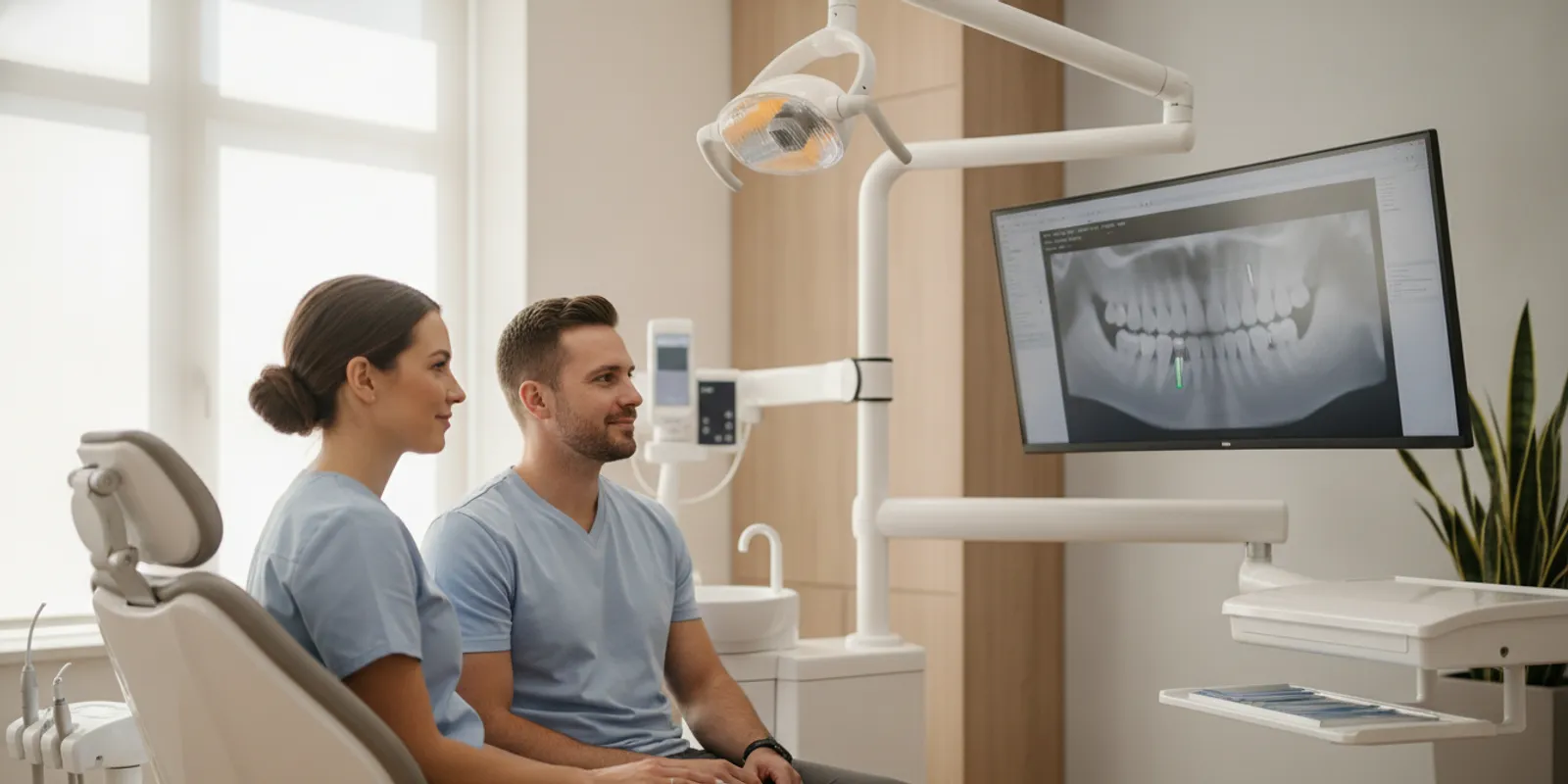
At Lowell Family Dental Practice, we want patients to understand the visit before they arrive. A consultation is a conversation and an evaluation, not a commitment to proceed with treatment. The dentist can learn what you hope to address, review relevant information, and explain which next steps may be appropriate. If you are comparing options, you can also learn more about the practice’s dental implant services before your appointment.
How long does a dental implant consultation usually take?
A useful planning estimate for an initial dental implant consultation is about 30 to 60 minutes. Some visits may take less time when the main questions are straightforward and the necessary records are already available. Others may need more time when the dentist needs to gather information, review imaging, discuss several possible approaches, or answer a longer list of questions.
This estimate is a general guide, not a promise about the length of an appointment at a particular office. When you arrange your visit, ask how much time to set aside and whether the practice expects you to complete forms or provide records beforehand. If you have a tight schedule, mention that when booking so the team can explain what is realistic.
A consultation may also be one part of a larger planning process. The first conversation can identify what information is still needed; a separate visit or follow-up may be appropriate before a treatment plan is finalized. The amount of time spent in the chair does not, by itself, determine whether you are ready to make a decision.
What does the consultation time include?
When you hear an estimate for a consultation, it helps to clarify what that estimate covers. It may refer to the time scheduled with the dentist, while check-in, forms, and other office steps can add time before or after the conversation. Ask whether you should arrive early and whether you can complete paperwork in advance. If records need to be requested from another office, ask how to send them and whether they should arrive before your appointment.
The consultation is also different from the time needed to complete a dental procedure. An initial conversation focuses on evaluation, questions, and planning. It does not mean that treatment will take place during that appointment. Whether another visit is needed, and what it may involve, depends on the dentist’s assessment and the plan that is discussed with you.
If you are coordinating transportation, work, childcare, or another appointment, leave a little flexibility rather than scheduling something immediately afterward. The actual visit may fit within the estimate, but a question that needs explanation or an additional office step can affect how long you are there. You can tell the team about a firm time limit at check-in and ask which questions should be addressed first.
Before leaving, make sure you understand whether a follow-up is recommended, what information the practice will provide, and how to reach the team with questions. A few minutes spent clarifying these details can prevent uncertainty later. If the appointment did not leave enough time to cover an important concern, ask how to arrange a follow-up rather than assuming you should make a decision without an answer.
What can make the appointment shorter or longer?
Several practical factors affect how much time a consultation needs. They are not a measure of whether your situation is simple or difficult. They help explain why two people asking the same question may have different appointment experiences.
- Your health and dental history: The dentist may need to understand prior dental work, current concerns, medications, and relevant health conditions. Clear, complete information can make the conversation more efficient.
- Records and imaging: Existing dental records or images may help inform the discussion. If additional imaging or assessment is appropriate, that can add steps or lead to a separate appointment. The team can explain what is needed for your case.
- The number of questions and options: A visit focused on one missing tooth may involve different questions from a conversation about replacing multiple teeth or considering a fixed full-arch option. Bring the questions that matter most to you.
- Unanswered clinical questions: Sometimes the dentist needs more information before discussing recommendations in detail. It is better to identify what remains uncertain than to rush toward an answer.
- Administrative steps: Forms, insurance questions, or collecting previous records can take time around the clinical conversation. Ask what can be completed in advance.
For a general overview of treatment categories, you can review the practice’s dental implant information. The right plan for an individual patient still depends on an examination and discussion with a dental professional.
What happens during the consultation?
The precise sequence varies, but an initial implant consultation often follows a few broad stages. The purpose is to understand your goals and gather enough information to discuss appropriate options and next steps. Your dentist should have an opportunity to hear your concerns, and you should have time to ask questions.
1. You explain what you want help with
You may start by describing the tooth or teeth you are concerned about, when the problem began, and what you would like to be able to do more comfortably. You can mention what matters most: appearance, chewing, stability, maintenance, time, or understanding the options. There is no need to know the technical terms before you arrive.
2. The dentist reviews relevant history and examines your mouth
The dentist may ask about previous dental treatment and your health history, then assess the area and surrounding tissues. Questions about health conditions and medications help provide context for planning. Share what you know, and bring an updated medication list if that is easier than remembering every name.
3. The dentist considers whether imaging or more information is needed
Imaging can be part of evaluating a potential implant, depending on the information needed. Lowell Family Dental Practice uses CT scan technology; the dentist can explain whether imaging is appropriate for your visit and what it can help evaluate. An image is one part of an assessment and does not replace a conversation about your health, priorities, and alternatives.
4. You discuss possible approaches and the next step
Once the available information has been reviewed, you can discuss what options may be suitable, what additional evaluation might be needed, and how to proceed with questions about timing and finances. Some people are ready to arrange a follow-up; others want time to think or gather information. You do not have to make a treatment decision during the first conversation.
If you are weighing different ways to replace missing teeth, the practice also has information about dentures and implants. It can help you prepare topics for discussion, but it cannot determine which choice is right for you.
How can you prepare and use the time well?
A little preparation can make the appointment feel more focused. You do not need to arrive with a decision already made. Your goal can simply be to leave with a clearer understanding of what is known, what is not yet known, and what you would need to decide.
- Write down your top questions. Put the most important ones first in case the visit runs short. Ask about the options, the evaluation process, expected follow-up, care at home, and what factors could change the plan.
- Bring relevant records if you have them. Previous dental images, treatment summaries, or contact details for a former dental office may be useful. Check with the practice before arranging transfers if you are unsure what is needed.
- Make a current health and medication list. Include medications, supplements, allergies, and health information you think may matter. Do not stop or change prescribed medicine based on general information; ask your prescribing clinician about medication questions.
- Think about your priorities. Consider what you hope a tooth replacement will help you do and what concerns you most. Naming priorities helps guide a useful conversation without assuming that one solution fits everyone.
- Ask about practical details in advance. Confirm how long to reserve, whether forms can be completed ahead of time, and whether any records should be sent before you arrive. For payment questions, review the practice’s financing information and ask which details apply to your situation.
If dental visits make you uneasy, say so when you schedule or at the start of the visit. You can ask the dentist to explain each step, pause for questions, or tell you what will happen next. The team can then discuss ways to make the conversation more comfortable and clear.
For a discussion involving more than one tooth, you may find it useful to separate your questions into immediate needs and longer-term goals. For example, first ask what the dentist needs to assess now, then ask what choices may be considered after the evaluation. If you are interested in a removable or fixed option, use the words you know and ask the dentist to explain any unfamiliar terms. The goal is to understand the choices relevant to you, not to select a procedure based on a name alone.
Money questions are appropriate at the consultation, even if you are not ready to decide. Ask what information is available about the recommended care, what costs may vary based on evaluation, and whom to speak with about payment arrangements. Lowell Family Dental Practice offers third-party financing through Proceed Finance and CareCredit; ask the office for current details and whether either option fits your circumstances. Avoid assuming that every patient or plan has the same costs or terms.
What questions should you ask?
It can be hard to remember everything in the moment. Consider saving a short list on your phone or bringing it on paper. These questions can help you understand both the clinical conversation and the practical next steps:
- What information do you still need before recommending an approach?
- What options might be appropriate for my situation, and how do they differ in care and maintenance?
- Would imaging or another appointment be needed before a plan can be discussed fully?
- What should I expect between this visit and the next step?
- What risks, limitations, or uncertainties should I understand before deciding?
- What costs or financing questions should I clarify, and who can help me understand them?
- Who should I contact if I think of another question after I leave?
You can also look at the American Dental Association’s patient-facing dental information as general background while preparing questions. General information is not a substitute for an assessment of your specific oral health.
What if the consultation needs more than one visit?
A first visit may not answer every question. The dentist might need additional records, a closer assessment, or time to consider the information before discussing a complete plan. That does not automatically mean something is wrong; it can simply mean more information is needed to make the conversation useful and responsible.
Before you leave, ask what the next step is, who will arrange it, and whether there is anything you should do or avoid while waiting. If you are deciding among options, ask for a clear explanation of what is confirmed and what remains conditional. You can request time to review the information and return with follow-up questions.
Patients who want to learn more about the practice before visiting can review the dentist and implant team information, or use the appointment contact page to ask about scheduling. If you are a new patient, the new patient information may help you prepare for the office process.
How should you think about the appointment after you leave?
It can help to judge a consultation by what you understand afterward, not only by how many minutes it lasted. Before leaving, try to identify the main points you heard: what the dentist observed, what options may be considered, what information is still needed, and what you are expected to do next. If any of those points are unclear, ask for them to be explained in everyday language.
You may want to write down the answers while they are fresh. Include the name of any next appointment or record request, the questions you still have, and whom to contact. If a family member or trusted person helps you think through health decisions, you can share your notes with them. Ask the practice before recording any part of a visit; taking written notes is another simple way to remember details.
There is no need to compare your consultation with someone else’s appointment. A friend may have had different records, questions, or evaluation needs. A shorter meeting does not necessarily mean less care, and a longer one does not automatically mean a problem. What matters is that you have a chance to understand the information and know how to follow up.
If you leave with a question that changes your understanding of the choices, contact the practice to ask how best to get an answer. You can also request another conversation if you need more time to review the options. Taking a thoughtful approach can help you make a decision that reflects your needs and the dentist’s evaluation.
Frequently asked questions
Can I get a treatment plan during the first consultation?
You may discuss possible approaches during the first visit, but the dentist may need more information before recommending a complete plan. The answer depends on your individual evaluation and the records available.
Will I have a CT scan at the consultation?
Not necessarily. Imaging depends on what the dentist needs to assess. Lowell Family Dental Practice has CT scan technology, and the team can explain whether it is appropriate for your visit and what to expect.
Do I need to decide about treatment during the appointment?
No. A consultation is an opportunity to understand your situation, discuss possible options, and ask questions. You can take time to consider the information and ask for clarification before making a decision.
Should I bring someone with me?
If having a companion would help you feel comfortable or remember the discussion, ask the practice whether you may bring someone. You can also take notes or ask for key points to be repeated in plain language.
Plan a dental implant consultation
When you are ready to explore your options, a conversation can help clarify what information is needed and what the next step might be. Lowell Family Dental Practice welcomes questions from patients considering implant care.
Allow roughly 30 to 60 minutes as a general planning estimate, and confirm the expected appointment length with the practice when you schedule.
Written by
Dr. Iham Gammas, DMDBoard-Certified Implant Dentist & Founder, Lowell Family Dental Practice. Fellow & Master of ICOI and IADI. Associate Fellow of AAID.