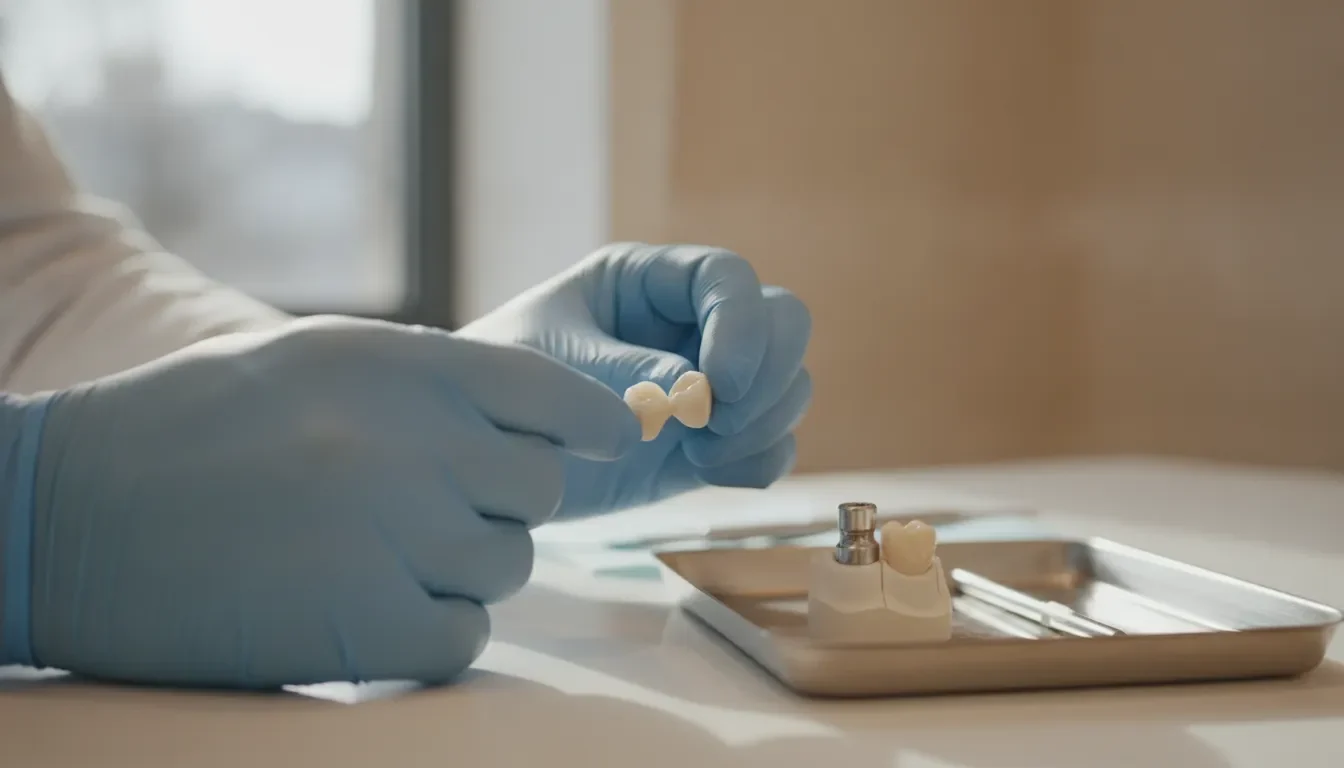
A child’s worry about the dentist can show up as tears, silence, stomachaches, or a sudden refusal to go. It does not mean your child is being difficult. Fear often reflects a previous uncomfortable experience, worry about the unknown, a parent’s understandable concern, or a child’s stage of development. With patience and honest, age-appropriate support, families can help dental visits feel more familiar and manageable.
Dental anxiety in children can develop through several interacting factors, including tooth pain, prior treatment, general fearfulness, and negative attitudes picked up from adults. A calm approach at home, regular preventive visits, and an open conversation with the dental team can help identify what your child needs before fear leads to avoidance. Research has linked parental fear and painful dental experiences with children’s dental fear, so reassurance and partnership matter.
The first step is understanding where the worry may come from and recognizing that it can change as children grow. That perspective makes it easier to respond with empathy rather than pressure.
Contact Lowell Family Dental Practice or call (978) 458-1179 to discuss your child’s concerns before a visit.

Why do children develop dental anxiety?
Dental anxiety can develop when a child connects dental care with uncertainty, discomfort, or a stressful experience. It is not a sign that a child is difficult or unwilling to cooperate. Research describes dental fear and anxiety as the result of several interacting personal and environmental factors, so the reason can look different from one child to another.
Fear of the unknown
Young children are still learning how to understand unfamiliar places, sounds, sensations, and instructions. A dental office may include bright lights, new faces, unfamiliar instruments, and a visit structure they cannot yet predict. Age also affects how children cope with stressful situations such as dental treatment. A toddler, school-age child, and teenager may need very different explanations and types of reassurance.
Previous discomfort or treatment
A toothache, a painful procedure, or an unpleasant dental experience can make a future visit feel threatening. Previous treatment experience has been associated with a greater risk of dental fear and anxiety. This does not mean that every child who has experienced discomfort will become anxious. It does mean that parents should tell the dental team about pain, difficult appointments, or specific parts of a prior visit that worried the child. That information can help the team plan a more supportive conversation.
What children observe at home
Children often learn how to interpret new situations by watching trusted adults. Studies have found an association between parental and child dental fear, and negative attitudes from parents or others may be one pathway through which fear is acquired. A parent does not need to hide genuine concerns. However, using calm, neutral language and avoiding frightening details can help prevent an adult experience from becoming a child’s expectation. Parents can acknowledge their own feelings while keeping the focus on the child’s questions and needs.
Temperament and developmental differences
Some children are naturally shy, generally fearful, or slower to feel comfortable in unfamiliar settings. Immaturity and changing cognitive abilities can also affect how a child understands dental care. Dental fear and anxiety may change as children grow, rather than following one fixed pattern. One longitudinal study of 160 children reported dental fear in 7% at age 7 and 8% at age 9. Those findings describe one study, not a universal rate for all children.
Understanding the possible cause is useful, but parents do not need to diagnose the problem. If fear is persistent, connected to pain, or causing avoidance, discuss it with the dental team. For broader background, see our guide to overcoming dental anxiety.
What are the signs of dental anxiety in children?
Children do not always have the words to say, “I am anxious about the dentist.” Instead, dental anxiety may appear through changes in behavior, physical complaints, sleep, or willingness to attend an appointment. One nervous moment does not necessarily mean a child has an ongoing problem. A new office, unfamiliar sounds, or uncertainty about what will happen can make many children uneasy. The more useful question is whether the distress is persistent, intense, or interfering with needed dental care.
Behavioral signs
A child may become unusually quiet, cling tightly to a parent, cry, have a tantrum, or repeatedly ask to leave when a dental visit is mentioned. Some children ask the same questions over and over, while others avoid talking about the appointment at all. Older children and teens may appear irritable or embarrassed rather than openly frightened. Refusing to sit in the dental chair or declining to open the mouth can also signal that the child needs more preparation and reassurance, not criticism.
Physical and sleep changes
Anxiety can show up as a stomachache, headache, nausea, trembling, sweating, a fast heartbeat, or a dry mouth before an appointment. These symptoms should be taken seriously, while remembering that they do not identify a diagnosis by themselves. A child who has trouble falling asleep, wakes during the night, has bad dreams, or starts worrying several days before a visit may be experiencing more than ordinary, short-lived nerves. Ask what the child is feeling and when the symptoms begin. If pain is present, report it to the dental team rather than assuming it is only fear.
Avoidance and refusal
Watch for repeated requests to postpone an appointment, missed visits, or a sudden loss of interest in routine dental care. Avoidance matters because research links dental fear with using dental services less often, missing needed treatment, and difficulty cooperating during care. A prior painful experience, toothache, or negative message from an adult can contribute to fear, but children can also become distressed because of temperament, age, or uncertainty. The cause is not always obvious.
Question: How can I tell ordinary nerves from persistent distress?
Answer: Ordinary nerves often ease after a calm explanation, supportive conversation, or a little time to become familiar with the setting. Persistent distress continues, grows stronger, affects sleep or daily routines, or leads to repeated avoidance and refusal. Do not try to diagnose your child from a checklist. Share what you have observed with the dental team so you can discuss a supportive plan together.
Keep a simple note of the words your child uses, the situations that trigger worry, and what helps them settle. This gives the dental team a clearer starting point and helps your child feel heard.
How can parents prepare a child for a calmer dental visit?
Preparation works best when it begins before the appointment, not in the parking lot. Children cope with dental care differently at each stage of development, so match your approach to your child’s age, questions, and temperament. The goal is not to promise that nothing will feel unfamiliar. It is to make the visit predictable, give your child honest support, and create room for the dental team to build trust.
- Use simple, truthful language. For toddlers and preschoolers, keep explanations brief and concrete. You might say, “The dentist will look at your teeth and count them.” Avoid dramatic words, unnecessary details, or stories about your own difficult appointments. Do not promise that a visit will never feel uncomfortable, because that can make a child feel misled if something feels strange. Instead, explain that the dentist and parent will listen to questions and help the child take breaks when needed.
- Practice through play. A short role-play can make an unfamiliar routine easier to imagine. Take turns being the dentist and patient, using a toothbrush or small mirror to count teeth. Let your child practice opening wide, saying “ah,” and raising a hand when they want to pause. For school-age children, role-play can include asking questions and choosing which part of the visit to discuss first. Stop while the activity is still positive rather than turning practice into a test.
- Keep the routine familiar. If this is your child’s first appointment, review your child’s first dental visit so you know what to expect and can explain it calmly. Regular visits can help children become progressively familiar with dental care. Research in schoolchildren has found an association between dental fear and both age at the first visit and visit frequency. Earlier, periodic care may support confidence, although every child needs an individualized plan.
- Plan the timing and comfort details. Choose an appointment time when your child is usually rested and able to cooperate. Allow enough time to arrive without rushing. Bring a familiar comfort item for a younger child, such as a small toy or blanket, if the office permits it. Older children and teens may prefer headphones, music, or a private conversation with the dental team. Share relevant concerns, past experiences, sensory sensitivities, or pain history when scheduling and again at the visit.
- Offer limited choices. Choices can give children an appropriate sense of control without placing responsibility for the appointment on them. A preschooler might choose which shirt to wear or which comfort item to bring. A school-age child might choose whether to ask questions before or after the examination. Teens can help decide what concerns to discuss first and whether they would like a parent present for every conversation. Keep the choices small and realistic, and avoid asking whether they want to go when the appointment is already planned.
- Stay calm and follow your child’s cues. Validate fear without calling your child difficult: “It makes sense to feel unsure. We can tell the dentist.” Praise specific efforts, such as sitting in the chair, opening their mouth, or asking for a pause. If dental anxiety in children remains intense, causes avoidance, or follows pain, contact the dental team before the appointment. The clinician can discuss age, health history, planned care, and appropriate comfort approaches rather than relying on a one-size-fits-all solution.
What can a dental team do to build trust?
Trust grows when a child feels heard, understands what is happening, and knows they can ask for help. A dental team can begin by listening before starting an examination or treatment. Parents can share what worries their child, whether that is a previous uncomfortable experience, unfamiliar equipment, a sensitive tooth, or simply not knowing what to expect. The child should also have room to describe the concern in their own words. Taking that fear seriously does not reinforce it. It shows the child that the adults in the room are paying attention.
Explain each step in plain language
Children usually cope better when explanations are brief, honest, and suited to their age. The team can describe what an instrument does without using frightening or overly technical language. For example, instead of giving a long explanation about a procedure; the dentist can tell the child what they may see, hear, or feel and what will happen next. The goal is not to promise that every visit will feel exactly the same. It is to replace uncertainty with information the child can understand.
A child may need more than one explanation. They may also need time to look, ask questions, or watch a parent receive care. A gradual introduction can make the setting feel more familiar. Early visits may focus on conversation, simple education, or an examination rather than pushing through when distress is rising. This approach supports confidence over time and can help a child see the dental office as a place where questions are welcome.
Give the child a way to pause
A simple stop signal, such as raising a hand, gives a child a clear way to communicate during care. The team should explain the signal before beginning and respond to it consistently. Knowing that a pause is possible can help a child feel more involved, even if they never need to use it. It also gives the dentist and parent useful information about when the child needs another explanation, a short break, or a change in pace.
Parents are partners in this process. They can model calm, respectful communication, avoid describing dental visits with alarming words. And praise specific efforts such as answering a question, sitting in the chair, or using the stop signal. At Lowell Family Dental Practice, comprehensive family dental care includes taking time to understand concerns, explain conditions and options, and tailor care to each patient. When the team and family share information openly, children can build familiarity at a pace that respects their needs.
Are sedation options appropriate for a child with severe dental fear?
Some children become nervous when they hear about a dental visit. Others experience fear so intense that they cannot comfortably enter the office, listen to instructions, or participate in needed care. Those situations are different, and sedation is not automatically the first or best response. A dentist should first understand what the child is feeling, what care is needed, and what has happened during earlier visits.
Routine behavioral support may include calm explanations, a gradual introduction to the room and instruments. Short pauses, a comfort item, and a simple signal the child can use to request a break. These steps can help a child build trust without medication. They also give the dental team useful information about the child’s concerns and ability to cooperate.
How routine support and sedation differ
Behavioral support
What it may involve: Listening, age-appropriate explanations, tell-show-do communication, pauses, encouragement, and gradual exposure to dental care.
What determines suitability: The child’s fear, age, communication, previous experiences, and ability to participate in the planned visit.
Sedation
What it may involve: A clinician-led option intended to help a patient relax or cooperate during selected dental care. It requires a discussion of benefits, risks, preparation, and monitoring.
What determines suitability: The child’s age, health history, current medications, procedure, expected length of care, level of cooperation, and the treating dentist’s assessment.
Age and health history matter because children can respond differently to medications than adults. The type and length of the procedure matter as well. A child who needs a brief examination may need a different plan from one who requires extensive treatment. The child’s cooperation, communication, and ability to follow directions are also part of the clinical decision. Only the treating dentist, after reviewing the child’s health and needs, can assess whether sedation is suitable. Parents should not rely on a general online checklist or another child’s experience.
Parents can ask what non-medication strategies will be tried first, what the visit will involve. The team can explain how the child will be monitored and what instructions apply before and after care. Lowell Family Dental Practice does not make a blanket claim that pediatric sedation is appropriate or available for every child. The safest next step is an individualized conversation with the dental team. For general background on comfort discussions, read the guide to dental anxiety comfort options, then bring your child’s specific questions to the treating dentist.
How Lowell Family Dental supports young patients and parents
Choosing a dental home can feel especially important when your child is nervous. Your child may have had a difficult experience or still be learning what happens during an appointment. Lowell Family Dental Practice welcomes patients from children through seniors, so parents can build a relationship with one family practice as their children grow. The goal is personalized, stress-free and painless care that helps each patient feel heard and supported.
That support starts with listening. Parents can share what worries their child, whether the concern involves a previous appointment, sensitivity, pain, unfamiliar sounds, or simply not knowing what to expect. The dental team takes time to understand those concerns, explain conditions in clear language, and discuss available options. A child does not need to be labeled as difficult because they feel afraid. Open communication gives the team and family a better starting point for planning care.
Building confidence through education
Children also benefit from learning how daily habits affect their teeth. Oral hygiene instructions are reviewed at the initial appointment and reinforced at recall visits. Repeating those lessons over time can help families build practical routines instead of treating dental care as a one-time conversation. Parents can ask questions, practice the routine at home, and invite their child to take an age-appropriate role in caring for their smile.
For families in Lowell and surrounding Greater Lowell communities, the practice is located at 133 Market St, Lowell, MA 01852. If your child has persistent fear, pain, or questions about an upcoming visit, contact our dental team so you can discuss the concern and understand the next steps. A calm, honest conversation does not guarantee that every appointment will feel easy, but it can help your family approach care with a shared plan and realistic expectations.
Talk with the Lowell Family Dental team before your child’s next appointment. Sharing concerns about fear, pain, sensory sensitivities, or a previous experience gives the team useful context for a more personalized plan.
Frequently Asked Questions
How can I help a child who is scared of the dentist?
Use simple, truthful language and let your child ask questions. Practice opening the mouth or counting teeth at home, bring a familiar comfort item, and offer small choices when possible. Tell the dental team about specific worries before the visit so the appointment can be paced around your child’s needs.
Why are children afraid of the dentist?
Dental fear can develop from several factors, including a previous uncomfortable visit, tooth pain, a parent’s fear, temperament, or uncertainty about what will happen. Research describes dental anxiety as the result of interacting personal and environmental influences rather than one single cause. One academic review discusses these contributing factors.
What should I do if my child refuses dental treatment?
Stay calm and avoid shaming, threatening, or forcing the child. Ask what feels frightening, share that information with the dental team, and discuss whether a shorter, introductory visit or a step-by-step plan is appropriate. If refusal is persistent or connected to pain, contact the dental office rather than delaying care.
Is sedation safe for a young child with severe dental fear?
Sedation is not automatically right for every child. The treating dentist must consider the child’s age, health history, procedure, anxiety level, and ability to cooperate before discussing any comfort option. Ask the dental team to explain the potential benefits, risks, preparation, and alternatives. Behavioral support and clear communication may be appropriate starting points.
Ready to plan a more comfortable dental visit?
Every child responds to dental care differently. Share your child’s concerns, past experiences, or questions with Lowell Family Dental Practice so the team can better understand what may help your visit feel calmer and more manageable. Call Lowell Family Dental Practice at (978) 458-1179 to discuss your child’s needs and plan a comfortable visit.
Written by
Dr. Iham Gammas, DMDBoard-Certified Implant Dentist & Founder, Lowell Family Dental Practice. Fellow & Master of ICOI and IADI. Associate Fellow of AAID.