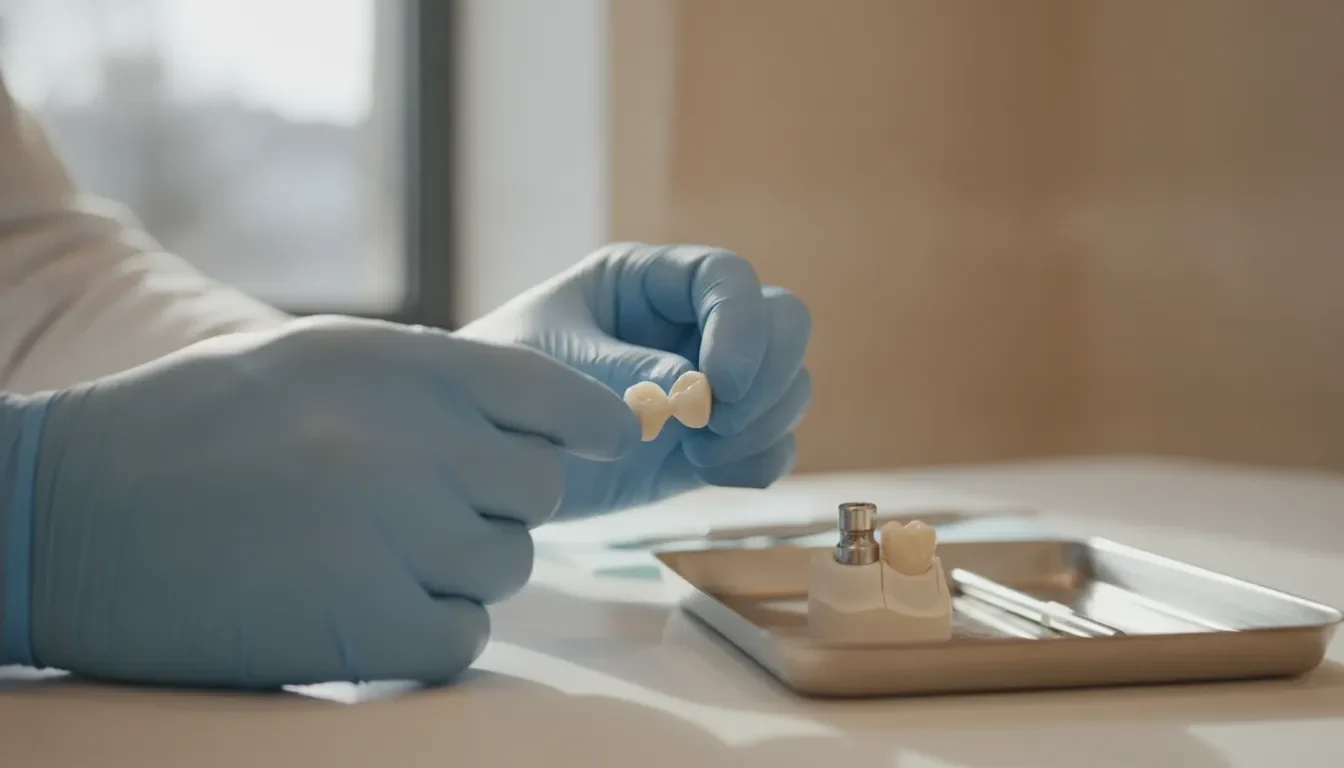
If you searched for “class 5 filling dental,” you are likely asking about a Class 5 dental filling. It repairs a cavity or area of lost tooth structure in the cervical third of a tooth, the part closest to the gumline. You may also hear it called a cervical filling. The name describes the location, not a special brand of filling material. A dentist may recommend one when decay, wear, erosion, or another problem has left a sensitive or weakened area near the gum.
That location can make the problem feel different from a cavity in the chewing surface. You may notice cold sensitivity, a rough notch, food catching, or a change you can see when you smile. A dark spot is not enough to diagnose the cause, and not every groove near the gumline needs a filling. A Lowell dentist can examine the area, check your gums and bite, and explain whether a filling, preventive care, or another option makes sense. Our overview of dental fillings covers the broader reasons a dentist may recommend a restoration.
Ask about a gumline concern with Dr. Iham Gammas and the team at Lowell Family Dental Practice when you are ready for an evaluation.


What does Class 5 mean in dentistry?
Class 5 is one of the cavity-location categories traditionally associated with G.V. Black’s classification. It refers to a lesion in the cervical third of the facial or lingual surface of a tooth, which means the outer or tongue-facing surface near the gumline. It does not mean the fifth stage of a cavity, and it does not tell you how deep the damage is.
The same location can have several different causes. A dentist needs to identify the cause before choosing treatment:
- Tooth decay: Plaque can stay along the gumline, especially where a tooth is difficult to brush or floss.
- Gum recession: When the gum moves away from the crown, the exposed root surface is more vulnerable because it is not covered by enamel in the same way.
- Abrasion: Scrubbing hard, using a very abrasive product, or brushing with a stiff technique can wear a notch over time.
- Erosion: Acids from drinks, foods, reflux, or repeated vomiting can soften tooth structure and contribute to surface loss.
- Abfraction or stress-related wear: Forces from the bite may contribute to a wedge-shaped defect in some teeth, although the cause is often more than one factor.
A cavity and a non-cavity defect can look alike in a mirror. A clinician may use a visual exam, gentle probing, a review of your symptoms and habits, and X-rays when they are needed to understand the area. The National Institute of Dental and Craniofacial Research explains how tooth decay develops, but an online explanation cannot tell you what caused one mark on your tooth. Do not try to scrape the spot or diagnose it from a photograph.
| Possible cause near the gumline. | What you might notice. | What the dentist may discuss. |
|---|---|---|
| Active decay. | A soft or changing spot, food catching, or sensitivity. | Removing unhealthy structure and restoring the tooth when appropriate. |
| Gum recession or exposed root. | Cold sensitivity or a longer-looking tooth. | Gentle cleaning, sensitivity care, gum evaluation, or a restoration. |
| Abrasion or erosion. | A smooth notch or wear pattern near several teeth. | Brushing pressure, products, acid exposure, and monitoring. |
| Bite-related wear. | A wedge-shaped defect or repeated wear in a contact area. | Bite forces, protective options, and whether repair is needed. |
Why can a filling be needed near the gumline?
A dentist may recommend a Class 5 filling when decay has removed enough structure that the area cannot be kept clean or is likely to continue worsening. A restoration can replace the missing portion, protect the area from further irritation, and give you a smoother surface to maintain. The decision depends on the size and activity of the lesion, the strength of the remaining tooth, your symptoms, and the condition of the surrounding gum.
Not every gumline mark needs to be restored immediately. If the area is a stable wear defect or an exposed root without active decay, the plan may focus first on reducing the cause, improving brushing technique, using a sensitivity product, or monitoring the area. If the spot is progressing, traps plaque, or is causing repeated sensitivity, a filling may be more useful than observation alone.
Tooth-colored fillings are commonly used when a restoration is appropriate and the material can bond predictably to the remaining tooth structure. They are not a whitening treatment, and whitening will not change the color of a filling after it is placed. You can read our guide to what happens when tooth-colored fillings do not whiten if you are also considering a brighter smile. Our guides to tooth-colored fillings and filling types explain the material and appearance questions in more detail.
Ask these questions at an appointment:
- Is this active decay, wear, exposed root surface, or another condition?
- What is causing it, and what can I change at home?
- What could happen if we monitor it instead of filling it now?
- Which material is suitable for this location and the way my teeth meet?
- How should I brush and clean around the area afterward?
What symptoms can a Class 5 lesion cause?
Some Class 5 lesions cause no symptoms and are found during a routine exam. Others make the tooth react when the area is exposed to cold air, cold drinks, sweets, or a toothbrush. You may feel a brief sharp sensation, notice a rough edge with your tongue, or see a notch at the gumline. Symptoms can also come from recession, a cracked tooth, gum inflammation, or decay elsewhere, so the location of discomfort is not a diagnosis by itself.
Call a dental office sooner rather than waiting for a routine cleaning if sensitivity is getting worse, lasts after the trigger is gone, or makes it difficult to eat or brush. A toothache that interferes with sleep, facial swelling, fever, a bad taste, or trouble swallowing needs prompt attention. If a visible cavity is changing quickly, our visible cavity guide explains why an evaluation should not wait. Severe swelling or trouble breathing is an emergency.
While you wait to be seen, keep the area clean with a soft brush and gentle pressure. Avoid repeatedly testing it with ice or very cold drinks. Do not place aspirin on the gum, glue anything to the tooth, or use a sharp object to widen the notch. Those steps can irritate the tissue and make the exam harder to interpret.
How is a Class 5 dental filling placed?
The exact sequence varies with the tooth and the reason for treatment, but a typical appointment follows a few understandable steps.
- Assessment: The dentist confirms what is happening near the gumline and talks through the findings, alternatives, and expected result.
- Comfort and isolation: Numbing is discussed when it is appropriate. The tooth is kept as clean and dry as possible so the restoration can bond to the surface.
- Removal of unhealthy structure: If decay is present, the dentist removes the affected tissue while preserving sound tooth structure. A non-cavity defect may need only limited preparation, or no preparation at all, depending on the plan.
- Placement of the restoration: The selected material is shaped to replace the missing area and blend with the tooth as closely as the location allows.
- Finishing and checking: The surface is smoothed, the bite is checked, and you receive instructions for cleaning and sensitivity.
Gumline restorations can be technically demanding because the area is close to moisture from the gum and may sit partly on root surface. A filling can also be exposed to brushing and flexing forces. Our explanation of what happens during a filling covers the general appointment flow. That is why the diagnosis and the cause matter as much as the color of the material. If the original cause continues, the area can remain sensitive or the restoration can need attention later.
After treatment, mild sensitivity or gum tenderness may occur for a short time. Follow the instructions your dentist gives you. Contact the office if pain increases instead of settling, the bite feels uneven, the filling feels loose or sharp, or the tooth develops lingering sensitivity. A quick adjustment or evaluation can prevent a small concern from becoming a larger one. If you are unsure whether pain is urgent, our guide to sensitive teeth causes and treatment can help you prepare questions, but it does not replace an exam.
How can you help prevent another gumline filling?
Prevention starts with finding out why the first defect developed. Brush twice a day with a soft-bristled brush and light pressure, and clean between the teeth in the way your dental team recommends. Angle the brush toward the gumline without scrubbing back and forth aggressively. If you use a powered brush, let the bristles do the work rather than pressing harder.
Reduce repeated acid exposure instead of focusing only on one food. Sipping soda, sports drinks, juice, or acidic sparkling drinks over a long period gives the mouth less time to recover. Rinse with water afterward and wait before brushing if your dentist advises it. If reflux or frequent vomiting may be contributing, speak with your medical clinician as well as your dentist.
Recession and sensitivity deserve attention even when there is no cavity. Ask for help choosing a toothpaste and technique that you can use consistently. Keep regular exams so small changes can be compared over time. If the gum itself is sore, swollen, or bleeding, ask about gum disease treatment as part of the evaluation. A photo or measurement taken at one visit can help the dentist tell whether a defect is stable or progressing.
Do not stop cleaning because a spot is sensitive. Avoiding the area can allow plaque to collect along the gumline. Instead, use a gentle approach and ask for an adjustment to your routine if brushing remains uncomfortable. Your dentist may recommend a different product or a plan to manage sensitivity while the cause is investigated.
Class 5 filling questions to ask at your visit
Before you agree to treatment, make sure you understand what the dentist sees and what the proposed restoration is meant to solve. A useful conversation includes:
- What is the diagnosis in this tooth?
- Is the area active, stable, or something we can watch?
- Could gum recession, brushing pressure, acid, or my bite be contributing?
- What are the benefits and limitations of filling it now?
- What signs should make me call after the appointment?
Bring a list of sensitivity triggers and how long the sensation lasts. Mention recent dental work, a night guard, reflux symptoms, a change in brushing products, or any habit that may affect the area. Those details help the appointment focus on the cause rather than only the visible notch.
Schedule a gumline evaluation and bring your questions about sensitivity, recession, or a tooth-colored repair to Dr. Gammas and the team.
Frequently asked questions about Class 5 fillings
Is a Class 5 filling the same as a normal cavity filling?
It is a filling in a particular location: the cervical third of the tooth near the gumline. The material and appointment can be similar to other tooth-colored restorations, but the gumline location creates different challenges with moisture, root exposure, brushing, and bite forces.
Does every notch near the gumline need a filling?
No. A notch may come from active decay, abrasion, erosion, recession, or a combination of causes. The dentist may recommend a restoration, preventive changes, or monitoring after examining the tooth and asking about symptoms.
Can a Class 5 filling help tooth sensitivity?
It can help when the sensitivity comes from exposed or damaged tooth structure that the restoration covers. Sensitivity can have other causes, including gum recession, a crack, pulp irritation, or another cavity. If symptoms linger or worsen, ask for an examination rather than assuming the filling is the cause.
Will a tooth-colored Class 5 filling whiten?
No. Whitening changes natural tooth structure but does not change the color of a filling. If your teeth and an existing restoration no longer match, ask your dentist about the options after evaluating the tooth and your smile goals.
How long does a Class 5 filling last?
There is no single lifespan for every restoration. Longevity depends on the size and location of the repair, the material, moisture control, bite forces, brushing habits, and whether the cause of the original defect is addressed. Regular exams can catch a loose edge or recurrent problem early.
When should I call a Lowell dentist about a gumline spot?
Call if the area is painful, increasingly sensitive, rough, visibly changing, or difficult to clean. Call promptly for swelling, fever, a bad taste, or pain that affects sleep or eating. A dentist can tell you whether you need a Class 5 filling or a different type of care.
Get a clear plan for a gumline concern
A Class 5 dental filling is a location-based description for a repair near the gumline. The best next step depends on whether the area is decay, wear, recession, erosion, or another condition. An examination can separate those possibilities and give you a practical plan for treatment and prevention.
Call (978) 458-1179 to request an appointment with Dr. Iham Gammas and the Lowell Family Dental Practice team.
Written by
Dr. Iham Gammas, DMDBoard-Certified Implant Dentist & Founder, Lowell Family Dental Practice. Fellow & Master of ICOI and IADI. Associate Fellow of AAID.