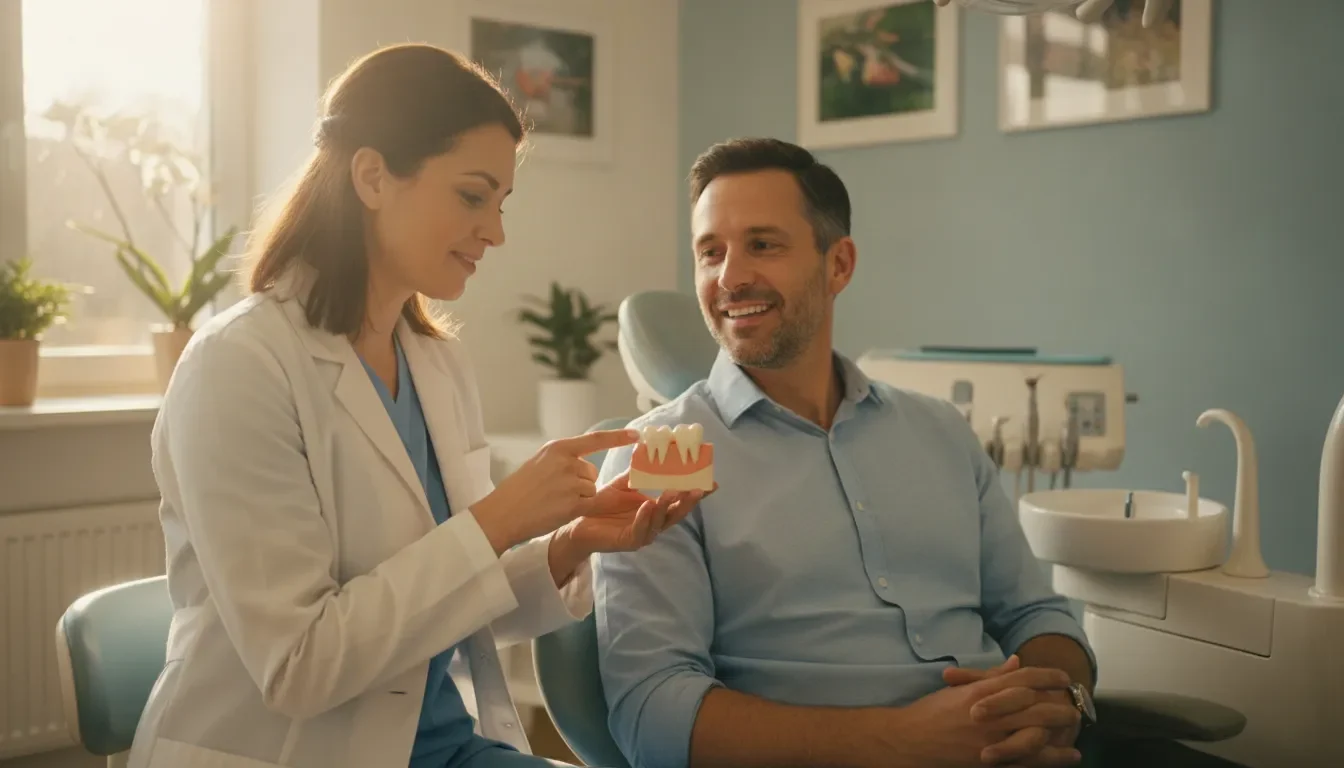
Tooth decay can start the moment a child’s first permanent molars erupt around age six. Even careful daily brushing often misses the deep, narrow grooves on these new back teeth.
Dental sealants for kids are thin, plastic coatings painted directly onto the chewing surfaces of back teeth to prevent tooth decay and cavities. This quick, painless treatment seals the deep pits and narrow grooves of permanent molars, which are the most common areas where childhood cavities tend to start. The Centers for Disease Control and Prevention states that these protective barriers prevent up to 80% of molar cavities in the first two years. They continue to protect against 50% of decay for up to four years, making them a great way to care for children’s smiles.
As parents, you want the best protection for your child’s growing teeth. At Lowell Family Dental Practice, our family dentistry team is here to help you make informed choices about preventive care. In this guide, we answer the questions families ask most before booking a visit.
Talk to our team about dental sealants for kids today. Contact Lowell Family Dental Practice to schedule a preventive visit for your child.
What Are Dental Sealants and How Do They Work?
Many parents ask how to keep their children’s teeth safe from cavities. Brushing and flossing are great, but some spots are hard to reach. This is where dental sealants for kids can help. A sealant is a thin, safe plastic coating. Our team paints this liquid plastic onto the chewing surfaces of your child’s back teeth.
The physical barrier against decay
Back teeth have deep pits and grooves. These tiny valleys help grind food, but they also trap small bits of meals and plaque. Toothbrush bristles are often too thick to get down into these tight spaces. When food stays there, bacteria feed on it and make acid that causes decay.
Sealants work by making a smooth shield. Here is how they protect the teeth:
- The liquid plastic flows into every deep groove of the tooth.
- A special blue light shines on the tooth to dry the liquid fast.
- The plastic dries into a hard layer that covers the deep pits.
- This shield keeps out all food, germs, and plaque.
Once dried, the coating blocks the germs and acids that lead to cavities. According to the Centers for Disease Control and Prevention, sealants prevent up to 80% of cavities in the first two years. They also continue to protect against 50% of cavities for up to four years. This shield stands up to the daily force of chewing and can stay in place for years to keep out food and plaque.
A simple and painless procedure
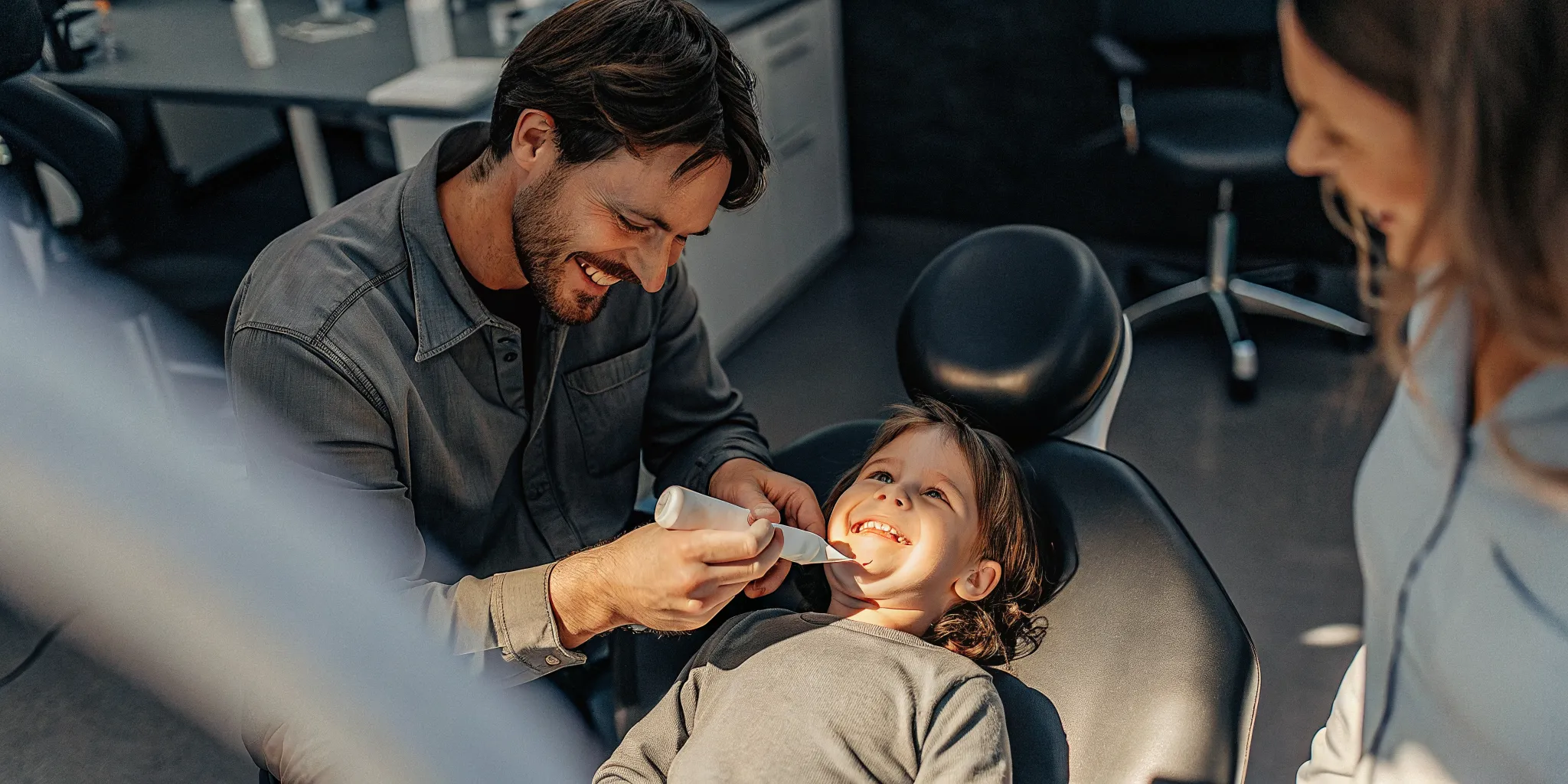
Many kids feel nervous about dental visits, but getting sealants is quick and painless. Our team works hard to give stress-free, gentle care to every young patient. We offer this service as part of our comprehensive dental care in Lowell to keep young smiles healthy.
There is no need for drilling or removing any tooth structure, and we do not use numbing shots. We simply clean and dry the teeth, paint the liquid resin on, and set it with a light. Your child can eat and drink normally right after the visit.
The proven benefits of sealants
Starting this process early can make a big difference in your child’s oral health. Children aged 6 to 11 who do not have sealants are almost three times more likely to get cavities in their back teeth. By choosing this simple step, you help protect their teeth during their most cavity-prone years.
This is a key part of pediatric dental preventive care that keeps your child smiling without pain. Our team at Lowell Family Dental Practice is here to make this process smooth. And we work with parents to build strong dental habits for a lifetime of healthy smiles.
Which Teeth Need Dental Sealants and at What Age?
We want to protect our children’s teeth from decay. In Lowell, MA, parents count on preventive steps to keep young smiles healthy. Our comprehensive dental care in Lowell works to stop cavities before they start. Dr. Iham Gammas, DMD, DABOI, and his team often suggest sealants for certain back teeth. These teeth are the most prone to decay because they have deep grooves that can trap food and plaque.
Target teeth for decay prevention
Dental sealants are not for every tooth. Instead, we place them on the chewing surfaces of the permanent molars and premolars. These are the flat back teeth that do the heavy work of chewing. The Centers for Disease Control and Prevention says that decay in the pits and grooves of molars is common in kids. This is because of the complex shape of these teeth. Our team uses dental sealants for kids to protect these surfaces.
Best ages for sealant placement
When is the right time to get sealants? The answer depends on when your child’s permanent teeth grow in. The CDC says that the first molars come in around age 6. The second molars come in around age 12.
As noted by the Cleveland Clinic, sealants protect teeth through the cavity-prone years of ages 6 through 14. Some children may get their first back teeth a bit later, around age 6 or 7. Sealants work best when we place them as soon as these teeth come through the gums. This prevents early decay from starting in the new grooves.
Ages when teeth come in
To help you plan, here is a simple guide to when your child’s back teeth often grow in. Keeping track of these ages helps you know when to seek preventive care.
- First primary molars (baby teeth): These back teeth come in between 13 and 19 months of age. We sometimes seal them if a child has a high risk of decay.
- Second primary molars (baby teeth): These teeth come in between 23 and 31 months of age.
- First permanent molars (6-year molars): These grow in around age 6 or 7. They are main targets for dental sealants.
- Second permanent molars (12-year molars): These erupt around age 12. Sealing them protects them through their high-school years.
| Type of Tooth | When It Comes In | Sealant Usual? |
|---|---|---|
| First primary molars (baby teeth) | 13-19 months | Only for high decay risk |
| Second primary molars (baby teeth) | 23-31 months | Only for high decay risk |
| First permanent molars (6-year molars) | Age 6-7 | Recommended |
| Second permanent molars (12-year molars) | Age 12 | Recommended |
| Premolars | Ages 10-12 | Often recommended |
At Lowell Family Dental Practice, we focus on early care to keep young smiles bright. If you want to learn more about our approach, you can read about pediatric dental preventive care. Dr. Gammas and his team are here to help your child build strong, healthy habits.
How Long Do Dental Sealants Last?
When you choose preventive care, you want to know how long the results will stay. For many parents in Lowell, dental sealants for kids are a long-term shield against tooth decay. This simple plastic coating can protect teeth for years, but its exact lifespan depends on oral habits and daily hygiene. Dr. Gammas and his team check these coatings at every visit to make sure they remain strong.
How Many Years They Last
With proper daily care, dental sealants can protect teeth for quite some time. Research shows that with good oral hygiene, these coatings may last between five to ten years. During this time, they keep food and plaque from settling into the deep grooves of the back molars. This constant shield is a vital part of comprehensive dental care in Lowell.
Even as they age, sealants do a great job of stopping decay. The Centers for Disease Control states that dental sealants prevent up to 80% of cavities for the first two years. They continue to block up to 50% of cavities for up to four years. A single quick visit can shield your child’s teeth through their most cavity-prone school years.
Why Sealants Can Wear Down
Though strong, these coatings do not last forever. Hard foods, ice, and sticky candy can cause them to chip or wear down. If a child grinds their teeth, the extra pressure can also wear the material. Luckily, Dr. Gammas and his team can easily touch up or replace these worn areas.
When a sealant chips, bacteria can slip under the material and cause decay. This is why regular checkups are key to keeping teeth safe. We check the coatings at every visit and can quickly re-apply the liquid resin if we find a worn spot. The repair is painless and takes just a few minutes.
Simple Tips for Daily Care
You can help your child’s sealants last longer with a few simple habits. Good home care protects both the sealed surfaces and the rest of their smile. Brushing and flossing every day will keep the nearby gums and enamel healthy.
Here are a few easy ways to keep your child’s sealants in top shape:
- Brush twice a day with fluoride toothpaste.
- Floss daily to clean the tight spaces between their teeth.
- Avoid chewing on hard items like ice, hard candy, or pens.
- Limit sticky snacks that can pull on the protective coating.
- Visit our office twice a year for routine cleanings and checks.
Ready to book a sealant check-up? Call (978) 458-1179 or contact us online to find a time that works for your family.
Are Dental Sealants Safe for Children?
Parents often worry about the safety of dental care for their young ones. You can rest easy knowing that dental sealants are safe and trusted. In fact, major health groups like the Centers for Disease Control and Prevention strongly support dental sealants for kids. They view this simple treatment as a key step in keeping young teeth healthy and strong during the school years.
Safety of medical-grade resins
Modern sealants are made of medical-grade plastic resins. These resins are safe, tough, and made just for use in the mouth. Once painted on, they bond to the chewing surfaces of the teeth to form a thin, strong shield. This shield acts like a clear layer that blocks out food, plaque, and acid. In fact, children without sealants are three times more likely to get cavities in their back teeth than those with sealants.
A painless, non-invasive process
One of the best parts of this care is that the process is fully non-invasive. The dentist does not need to use a drill, and no part of the tooth is removed. Your child will not need any numbing shots. The whole visit is quick and easy, often done in just a few minutes during a routine cleaning. Dr. Gammas and his team focus on keeping kids relaxed and calm in the chair. This painless care is a big part of the comprehensive dental care in Lowell we offer families.
Answers to common safety concerns
If you are thinking about this care, you may have some questions about what to expect. Here are plain answers to the main concerns parents raise:
- Is the sealant process painful? No, the treatment is fully painless. Your child simply sits back while we clean, paint, and dry the tooth with a special light. Most kids find the process quick and easy.
- Do dental sealants contain BPA? The resins used in our office are safe and medical-grade. They do not expose kids to harmful levels of BPA. Dental groups agree that stopping cavities is far more helpful than worrying about tiny traces.
- What is the best age for this care? Sealants work best when painted on as soon as the first adult molars grow in. This usually happens around age six and again near age twelve. Guarding teeth early prevents decay before it can even start.
Does Insurance Cover Dental Sealants in Massachusetts?
Yes, most dental insurance plans in Massachusetts cover the full cost of dental sealants for kids as a key part of preventive dental care.
Typical insurance coverage for kids
Parents often worry about the cost of care. But most dental plans in our state cover this treatment with no out-of-pocket fees. This is because sealants are a proven way to stop cavities before they start. Many private plans and state programs, like MassHealth, cover this service for young patients. According to the Cleveland Clinic, the cost of sealants is often covered by insurance for children because it is a simple preventive treatment. You should check your plan to see if it covers the care. Most plans cover sealants for back teeth up to age fourteen.
Cost benefits of dental sealants
Even without insurance, sealants are a smart choice for families. This simple step helps you save money on future dental bills. According to the Centers for Disease Control and Prevention, each sealed tooth saves more than eleven dollars in future dental care costs. That is because preventing a cavity is much cheaper than filling one. When you choose sealants, you avoid the need for fillings, crowns, or other expensive repairs later on. This makes the treatment one of the most cost-effective ways to protect your child’s teeth.
Here is a quick look at why sealants are so cost-effective:
- They prevent decay in the deep pits of the teeth.
- They reduce the need for painful fillings.
- They save you time and stress at the dental office.
- They help kids keep their natural teeth healthy for life.
How we help with coverage and costs
We know that dental insurance can be hard to understand. That is why Dr. Gammas and his team are here to help. When you bring your child to our office, we will check your benefits for you. We provide family dentistry in Lowell with clear, honest pricing. Our team will contact your insurance plan to find out exactly what is covered before any treatment starts. This keeps your visits stress-free and easy.
If you do not have dental insurance, we still have options for your family. Our team can help you understand the financing options available for preventive care like cleanings, exams, and sealants. We want to make sure every child in Lowell has access to the preventive care they need.
Getting Dental Sealants for Kids at Lowell Family Dental Practice
Visiting the dentist should be a happy time for your child. At Lowell Family Dental Practice in Lowell, MA, we make preventive care easy and stress-free for families. We know that many parents worry about how their children will handle dental visits. Our team works hard to create a friendly space where kids feel safe, relaxed, and happy during their visits.
Our gentle dental exam
Every sealant visit starts with a gentle check of your child’s teeth. Dr. Iham Gammas, DMD, DABOI and his team check the back molars to make sure they are ready for the thin coating. We take time to talk to your child and explain each step in plain words. This simple step builds trust and shows them that a dental visit is not scary. Children without sealants are three times more likely to get cavities, says the Centers for Disease Control and Prevention. Checking teeth early helps us stop decay before it can start.
A quick and painless process
Applying the sealant is a quick and simple process that does not hurt. First, we clean the chewing surface of the molar and dry the tooth. Next, we put a mild gel on the tooth to help the sealant stick. We rinse and dry the tooth again before we paint the thin, safe resin onto the deep grooves. This safe liquid flows into the deep pits of the tooth to form a shield. This cover is vital because toothbrushes cannot reach deep into these narrow spaces. A special light is used to harden the coating in just a few seconds. There is no drilling, no numbing, and no pain at all. Your child can eat and drink as usual as soon as the visit is done.
A complete family dental home
Our practice focuses on giving families a warm and welcoming dental home. We offer comprehensive dental care in Lowell to help patients of all ages keep their smiles healthy. Choosing sealants is a smart way to invest in your child’s long-term health. You can meet Dr. Gammas and his team to learn more about our gentle approach. We invite you to explore our pediatric dental preventive care options to build a strong start for your child’s smile. Our friendly team is always here to support your family’s oral health journey.
Ready to prevent cavities? Call (978) 458-1179 today or request your visit online at Lowell Family Dental Practice.
Frequently Asked Questions
Do dental sealants replace the need for brushing and flossing?
No, they do not replace daily care. Dental sealants only protect the flat chewing surfaces of the back teeth. Food and plaque can still build up on the sides and between teeth. Your child must still brush twice a day and floss. According to the American Dental Association, sealants are a proactive shield, but they work best alongside good daily oral hygiene.
Can dental sealants be applied to baby teeth?
Yes, we can apply sealants to primary teeth under certain conditions. If your child is highly prone to decay, Dr. Gammas and his team may recommend protecting baby molars with deep grooves. Keeping baby teeth healthy is important because they save space for adult teeth. The American Dental Association supports sealants for baby teeth when these teeth have high cavity risks.
What happens if a dental sealant chips or falls off?
If a sealant chips or falls off, the tooth loses its protective layer. Do not worry, as our team can easily replace it. During routine checkups, Dr. Gammas and his team will inspect each sealed tooth. As the CDC notes, regular visits help keep sealants intact so they continue preventing up to 80% of cavities in the back teeth for years.
Do dental sealants save families money over time?
Yes, they are highly cost-effective. According to the CDC, each sealed tooth saves more than eleven dollars in future dental treatment costs. By preventing deep decay early, you avoid the need for fillings or crowns down the road. Our team can also help you explore financing options to make preventive care affordable for local families in Lowell.
Ready to Prevent Cavities in Your Child’s Teeth?
At Lowell Family Dental Practice, we offer gentle pediatric dental preventive care to keep young smiles healthy. Without this shield, deep grooves in new molars trap food and germs, which quickly leads to painful decay and costly treatment. A quick, painless visit with Dr. Gammas and his team seals these spots, stopping cavities before they start and saving you money.
Ready to prevent cavities? Call (978) 458-1179 to book your child’s dental sealants visit at Lowell Family Dental Practice. Our friendly, local team is happy to answer questions and find a convenient time that works for your family. We make every dental visit simple and stress-free for both you and your child.
Written by
Dr. Iham Gammas, DMDBoard-Certified Implant Dentist & Founder, Lowell Family Dental Practice. Fellow & Master of ICOI and IADI. Associate Fellow of AAID.