Your child’s first dental visit is a gentle introduction to oral health, not a test they can fail. Starting early gives parents practical guidance and helps your child become comfortable with the dental team before problems or dental anxiety have a chance to grow.
The answer to when should child first see dentist is by the child’s first birthday, or within six months of the first tooth appearing, whichever comes first. The AAPD and AAP recommend an initial visit during the first year of life. This visit can establish a dental home, review home care, and identify concerns early.
Book your child’s first dental visit with Dr. Gammas and his team at Lowell Family Dental Practice. Understanding the recommended timing is the first step; next, we will look at what age guidelines mean in everyday family life and how to plan the visit.
For broader guidance on care for every member of your household, explore our guide to family dentistry in Lowell MA.
When Should Your Child First See a Dentist?
Answer: A child should see a dentist by their first birthday or within six months of the first tooth erupting, whichever comes first.
This guidance comes from the American Academy of Pediatric Dentistry and the American Academy of Pediatrics. Their recommendation is to schedule the first visit during the first year of life, even if your baby has only one tooth or no visible teeth yet. You can review the AAPD age-one visit guidance for the full recommendation.
Why begin during the first year?
An early visit does more than look for cavities. It gives our team a chance to meet your child, understand their developing smile, and support you with practical guidance. We can discuss feeding habits, bottle and cup use, oral hygiene, fluoride, and habits that may affect tooth development.
The first visit also helps establish a dental home. A dental home is an ongoing source of accessible, comprehensive care for your child. Instead of waiting until a problem becomes painful, you have a familiar practice to call with questions or concerns.
Early prevention matters because tooth decay is the most common chronic childhood disease in the United States. The CDC explains that fluoride varnish can prevent about one-third of cavities in primary teeth. Your child’s dentist can help you decide whether fluoride varnish is appropriate after the first tooth appears.
What if my child is already older than one?
Do not feel guilty, and do not wait longer. Schedule a visit as soon as you can. Children benefit from preventive guidance at every age, including toddlers and preschoolers who have not had an earlier exam.
Our goal is to make the experience calm, familiar, and useful for both parent and child. We provide family dentistry in Lowell MA for growing smiles, so your child’s care can remain connected to your family’s broader oral health needs.
Q: When should a child first see a dentist?
A: Schedule the first dental visit by age one or within six months after the first tooth erupts, whichever comes first. If your child is older, book a visit now rather than waiting for symptoms.
What happens at a toddler or infant dental exam?
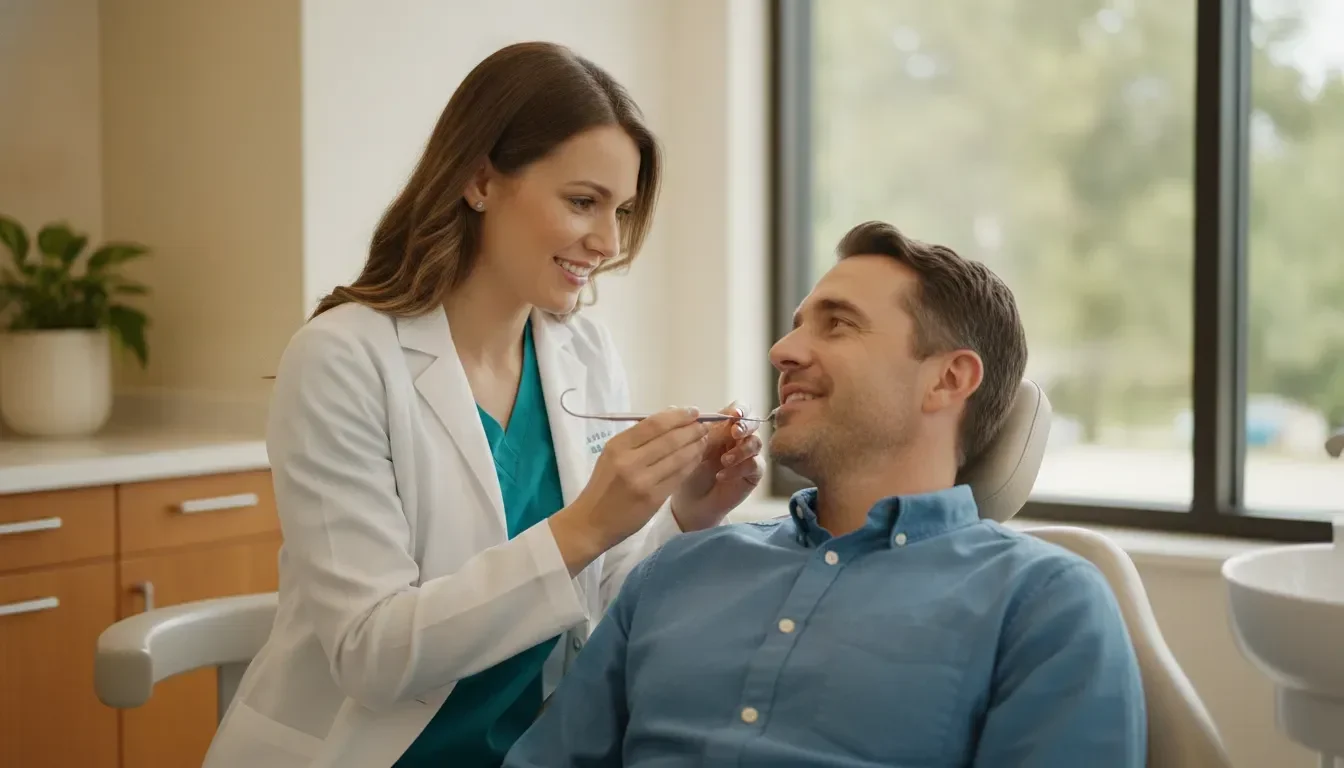
A first infant dental exam is usually a calm introduction to our practice, not a stressful treatment appointment. Most visits last about 30 to 45 minutes. We focus on helping your child feel comfortable while checking early oral development.
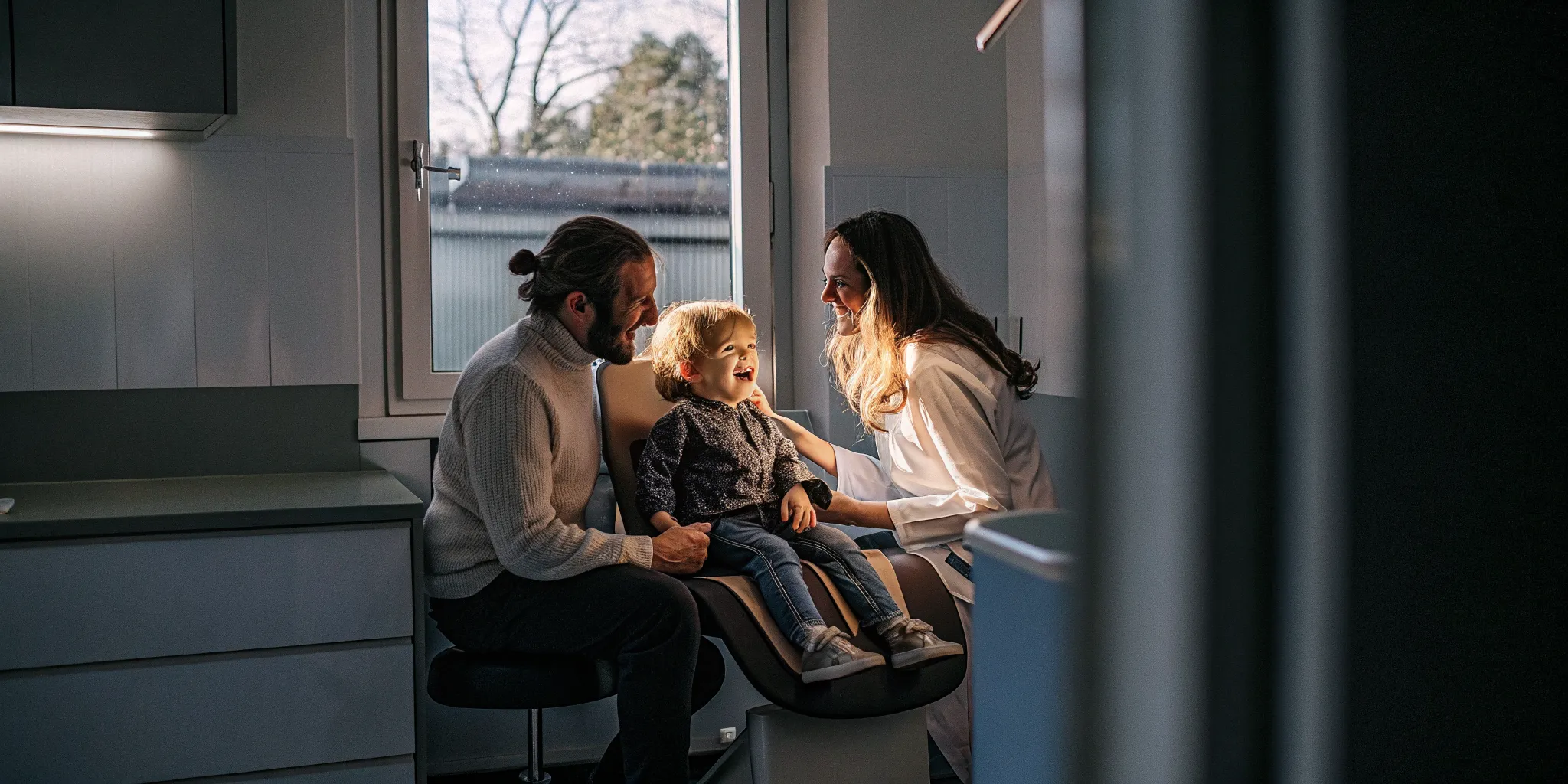
Our team follows your child’s pace. Some children sit in a parent’s lap, while others explore the room before opening their mouths. A brief exam is still useful, even if your toddler needs time to warm up.
What typically happens during the visit?
- Getting familiar: We welcome your child, explain each step, and create a positive first experience with the dental office.
- Reviewing health history: We ask about feeding, sleep, medications, allergies, and any concerns you have noticed.
- Checking the mouth: We look at the gums, teeth, jaw, bite, and overall oral development. We also watch for early signs of tooth decay or other concerns.
- Discussing daily care: We review age-appropriate brushing, gum cleaning, fluoride, bottles, cups, snacks, and other dietary habits.
- Assessing cavity risk: We consider your child’s home routine and oral findings. This helps us tailor practical preventive advice.
- Planning next steps: We answer questions and recommend follow-up care based on your child’s needs. A second visit around 18 months may help maintain a familiar, preventive routine.
Why parent guidance matters
Infants and toddlers depend on caregivers for nearly every part of oral hygiene. Small routine changes can support healthier teeth and make brushing easier as your child grows.
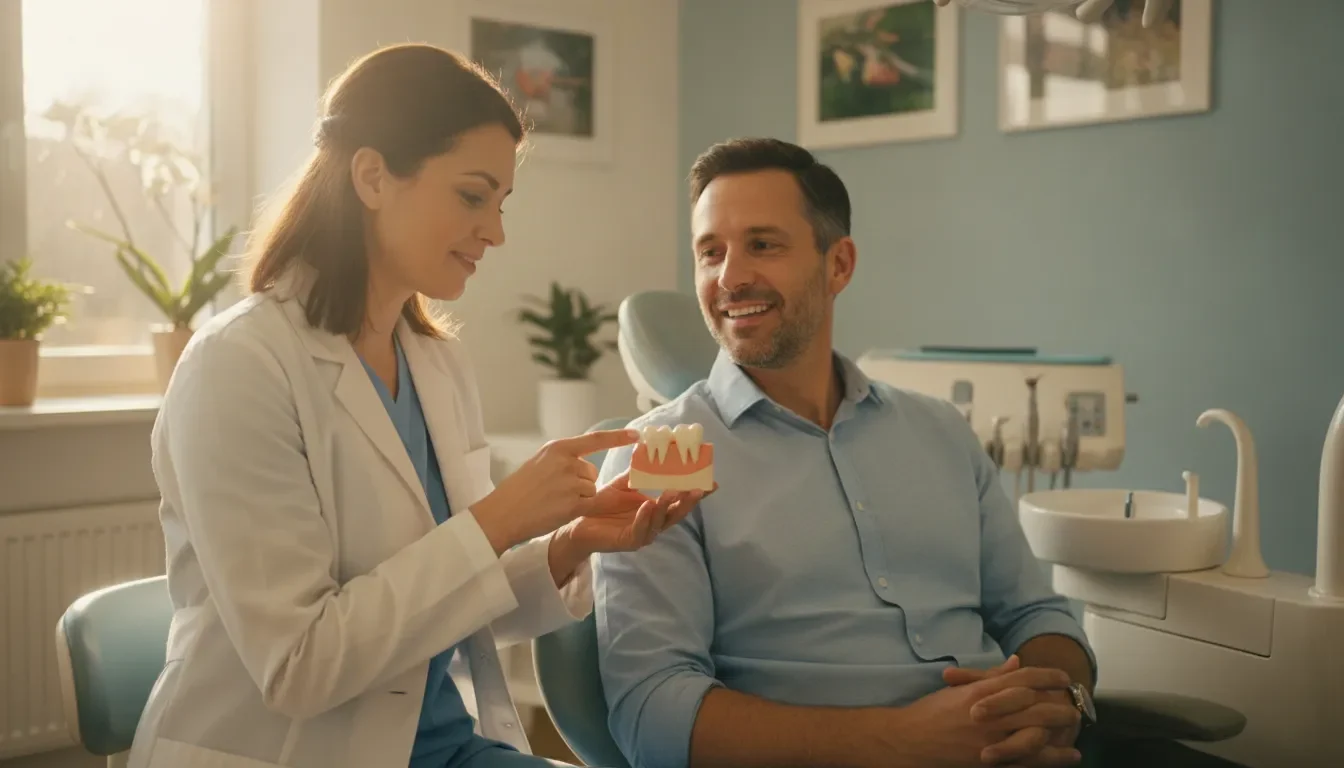
During the visit, we provide anticipatory guidance about infant oral hygiene, diet, fluoride therapies, and cavity risk. We want you to leave with clear steps you can use at home, not a list of confusing instructions.
The first visit also begins a relationship between your child, your family, and our practice. Regular preventive visits give us a chance to recognize changes early and support your child’s developing smile.
How to prepare your child for their first dentist visit
A calm first visit begins at home. Small, familiar routines can help your child feel comfortable while giving you practical ways to support healthy teeth.
-
Talk about the visit in positive, simple terms
Explain that the dentist will count and look at their teeth. Avoid words such as “hurt,” “shot,” or “drill,” even when trying to reassure them. Read a child-friendly book about dental visits, or play dentist with a stuffed animal. Let your child ask questions without rushing to correct every worry.
-
Bring one familiar comfort item
A favorite small toy, blanket, or pacifier can make an unfamiliar room feel safer. Tell the dental team about the item when you arrive. Your child may also feel more secure sitting on your lap during part of the visit, depending on the office routine and their needs.
-
Keep the appointment relaxed
Build in extra time so you are not hurrying through the door. Give your child a light meal beforehand unless the office provides different instructions. Pack a snack and water for afterward. Let the dental team introduce each step at a comfortable pace.
-
Choose a good time of day
Whenever possible, schedule the visit when your child is usually rested and receptive. A tired or hungry child may have a harder time adjusting to new sounds, people, and sensations. Keep the rest of the day flexible rather than planning several demanding activities afterward.
-
Practice healthy routines and be a calm role model
Before teeth appear, wipe your baby’s gums twice daily with a soft, clean cloth. Once the first teeth emerge, brush twice daily with a soft, small-bristled toothbrush and water. The CDC recommends consulting a dentist or doctor about fluoride toothpaste before age two. For children age two and older, use a pea-sized amount, supervise children under six, and encourage them to spit it out.
Children notice how adults respond to dental care. Speak normally about your own appointments and let your child see you brush. Your steady tone helps show that dental visits are a routine part of caring for the family’s health.
Baby teeth matter: why early dental visits prevent problems
Baby teeth do much more than create a child’s first smile. They help children chew, speak clearly, and maintain space for permanent teeth. Protecting them early gives your child a healthier foundation for years to come.
Tooth decay is the most common chronic childhood disease in the United States. It is more than four times as prevalent as asthma, according to the American Academy of Pediatric Dentistry. More than half of children ages 6 to 8 have had a cavity in at least one primary tooth. The CDC explains why childhood cavities deserve early attention.
Untreated cavities can affect everyday life
A small cavity may not seem urgent when a child still has years before adult teeth arrive. However, decay can progress beneath the surface. Untreated cavities can cause pain and infection, along with difficulty eating, speaking, playing, or learning.
Decay in primary teeth can also affect the permanent teeth developing underneath. Early examinations help us find changes before they become painful emergencies. They also give families time to choose conservative preventive care when appropriate, rather than waiting for more complex treatment.
Prevention starts before a problem appears
Early visits are not only about looking for cavities. We use them to discuss brushing, snacks, drinks, fluoride, and habits that influence oral health. This practical guidance helps parents feel confident about daily care at home.
Preventive treatment can add another layer of protection. Fluoride varnish can prevent about one-third of cavities in primary teeth. When children are ready, sealants placed on back teeth can prevent 80% of cavities in those surfaces. We recommend options based on your child’s age, development, and individual risk.
Our goal is to make dental care familiar, comfortable, and preventive. Families looking for thoughtful pediatric dental care can build that relationship with our practice before a problem demands immediate attention. A calm, early start helps children grow up viewing dental visits as a normal part of staying healthy.
Looking for a gentle first dental visit for your child? Book your child’s appointment with Dr. Gammas and his team at Lowell Family Dental Practice today.
What insurance covers pediatric dental care in Massachusetts?
Coverage varies by plan, but families in Massachusetts have several ways to manage preventive and restorative dental care. Confirm benefits, network status, and authorization requirements with your insurer before treatment.
| MassHealth (children) | Private/dental insurance | Dental Savings Plan |
|---|---|---|
| For enrolled children, comprehensive benefits may include exams, cleanings, fluoride, sealants, X-rays, fillings, and orthodontics. DentaQuest administers the dental program. | Many plans cover preventive visits, including exams and cleanings. Coverage for fillings, orthodontics, X-rays, and other services depends on the policy, deductible, and annual limits. | A membership option that provides savings on eligible services. Review the plan details and current inclusions at our Dental Savings Plan page. |
Ask what your child’s plan includes
When you call the insurance company or our office, ask whether the dentist is in network. Also ask about frequency limits for cleanings, fluoride treatments, and X-rays.
It is wise to ask whether a service needs preauthorization. You can also request an estimate for your portion before treatment begins. Benefits are not a guarantee of payment, and the insurance company makes the final determination.
Insurance can make preventive care easier to access. Research has found that uninsured children experience more school absences than insured peers when dental disease goes untreated. Regular visits help us identify concerns early and explain practical next steps.
If your child does not have insurance, our team can explain available payment options and the Dental Savings Plan. We will review recommendations clearly, so you can make an informed decision without surprises.
Book your child’s first visit at Lowell Family Dental
Choosing a dental home early gives your child a familiar place for questions, preventive care, and encouragement. At Lowell Family Dental, Dr. Iham Gammas and his team care for patients of all ages. We welcome infants, toddlers, children, parents, and grandparents into one supportive practice.
Our goal is to make the first visit feel calm and manageable. We can discuss your child’s teeth, gums, habits, diet, and developing smile in plain language. We also want to hear your concerns. If your child feels nervous, we will move at a comfortable pace and explain each step before we begin.
A family dental home also makes care easier as your child grows. Our team can provide age-appropriate guidance, monitor changes, and help your family build routines that support lasting oral health. You can learn more about our approach to family dentistry in Lowell MA.
Book your child’s visit with Dr. Gammas and his team today. We are here to help your family take the next step with confidence.
What to bring to the appointment
Bring your child’s insurance information, a list of medications, and any questions you want to discuss. You can also share details about thumb-sucking, pacifier use, tooth grinding, sleep, feeding, or sensitivity. These details help us understand your child’s needs and tailor our guidance.
There is no need to wait for a dental problem before calling. If you are unsure when to schedule, contact our Lowell office. We can help you choose an appropriate time for your child’s first visit and explain what to expect.
Starting early can help your child view dental care as a normal part of growing up. We look forward to meeting your family and supporting your child’s smile at every stage.
Frequently Asked Questions
When should my child first see a dentist?
Plan the first visit during your child’s first year of life, ideally by the first birthday or within six months of the first tooth appearing. The AAPD and AAP recommend an early first visit so your dentist can establish a dental home and guide you before problems develop.
What happens at a child’s first dental visit?
The visit usually lasts about 30 to 45 minutes and is designed to help your child become comfortable in the office. The dentist checks the mouth and early oral development, reviews feeding and brushing habits, assesses cavity risk, and answers your questions. Depending on your child’s age and comfort, the appointment may be brief and focused more on education than treatment.
What if my child is already three or five and has never seen a dentist?
It is not too late. Schedule an appointment rather than waiting for pain or a visible problem. The dentist can assess your child’s teeth, identify areas that need attention, and create a practical prevention plan. Share any worries about fear, sensory needs, thumb-sucking, or a difficult prior medical experience when you book.
Why is an early dental visit important if my baby only has a few teeth?
Baby teeth support eating, speaking, and healthy spacing while permanent teeth develop. An early visit also gives parents personalized guidance about cleaning gums, brushing new teeth, fluoride, snacks, and drinks. For example, the CDC recommends wiping an infant’s gums twice daily before teeth erupt and beginning gentle brushing when the first teeth appear.
Ready to schedule your child’s first dental visit?
A comfortable first visit can help your child build positive dental habits and give you practical guidance for the next stage of their smile. When you are ready, call Lowell Family Dental to book your child’s visit with Dr. Gammas and his team.
Written by
Dr. Iham Gammas, DMDBoard-Certified Implant Dentist & Founder, Lowell Family Dental Practice. Fellow & Master of ICOI and IADI. Associate Fellow of AAID.