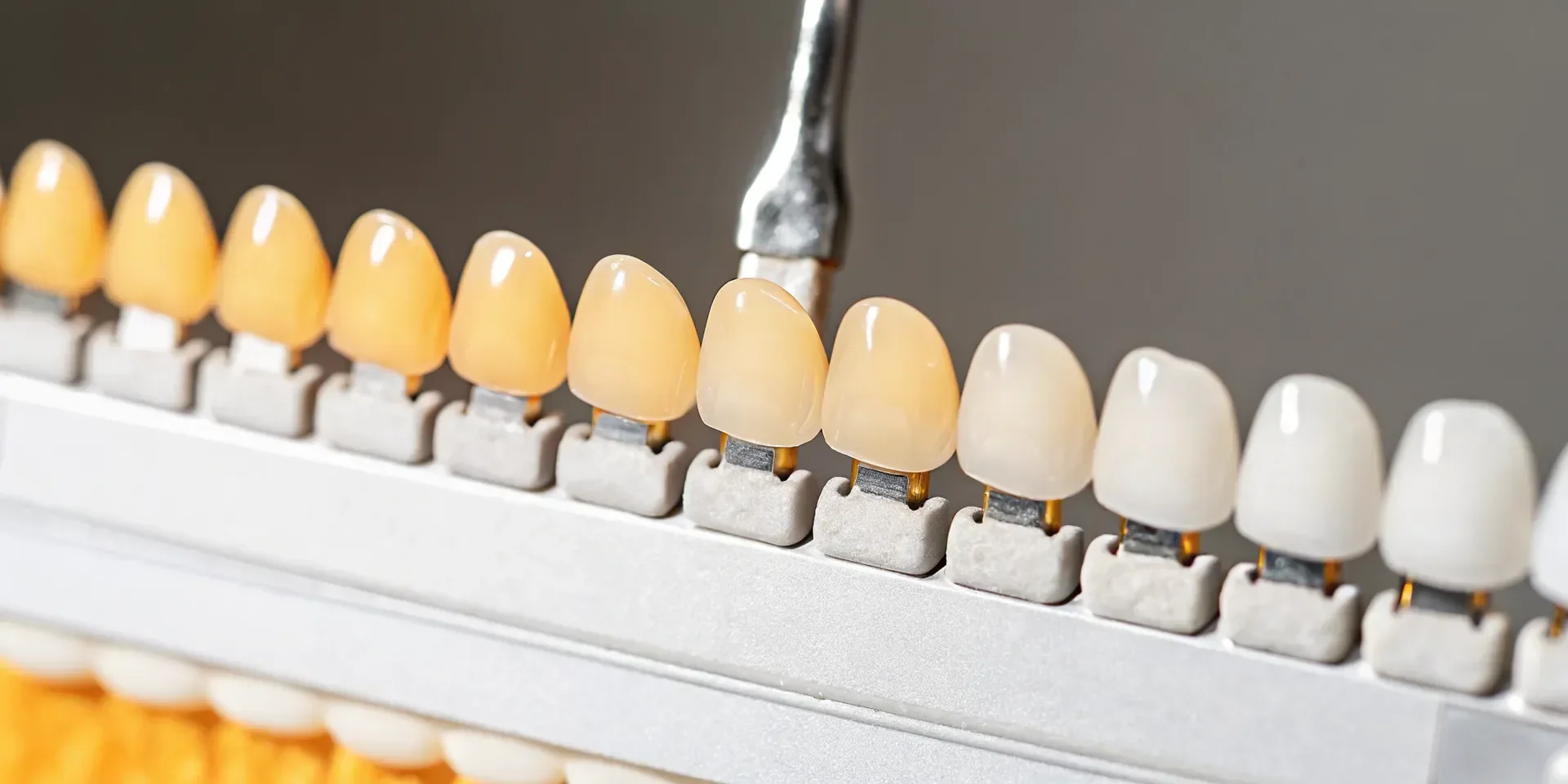
If you are considering a brighter smile, you probably want to know how long does teeth whitening last before you decide whether treatment is worthwhile. The short answer is that results may remain noticeable for several months to a few years. The treatment method, your starting shade, your daily habits, and your dental health all influence that timeline.
Explore professional teeth whitening in Lowell and request a personalized evaluation.
Whitening removes or lightens existing stains, but it cannot prevent new stains from forming. Coffee, tea, red wine, tobacco, and normal aging can gradually darken teeth again. Professional guidance and sensible aftercare can help you enjoy your results longer while reducing the risk of sensitivity or uneven color.
This guide explains the typical lifespan of different whitening methods, the factors that cause fading, and the practical steps Lowell-area patients can take to maintain a brighter smile.
How long does teeth whitening last?
Teeth whitening commonly lasts from about six months to three years, although individual results vary. Dentist-supervised treatments generally provide longer-lasting and more predictable results than products designed mainly to remove surface stains. No whitening option is permanent because teeth remain exposed to pigments in foods, drinks, and tobacco.
The initial result can also change slightly during the first days after treatment. Teeth may look especially bright immediately after whitening because they are temporarily dehydrated. As they rehydrate, the shade can settle. This normal change does not necessarily mean the treatment failed.
| Whitening method | Typical role | General longevity |
|---|---|---|
| Professional in-office whitening | Produces a noticeable change under dental supervision | Often one to three years with good care |
| Dentist-provided take-home trays | Uses custom trays and a dentist-selected gel | Often around one year, with touch-ups as advised |
| Over-the-counter strips or kits | Lightens some stains with consumer-strength products | Often several months |
| Whitening toothpaste | Primarily removes surface stains | Requires continued use to maintain the effect |
These ranges are useful for planning, not promises. Lowell Family Dental Practice can evaluate the cause of discoloration and explain which approach is likely to work for your smile. You can also compare dentist whitening versus strips before choosing an option.
Maintenance also matters more than a single number. Two people who receive the same whitening treatment can see different timelines because their diets, stain exposure, enamel, and home-care routines differ.
A useful goal is not to keep teeth at their brightest possible shade forever. Instead, aim to maintain a natural-looking result while protecting comfort, enamel, and gum health.
What affects how long whitening results last?
The lifespan of whitening depends on the treatment used, the source of discoloration, stain exposure, oral hygiene, and existing dental restorations. Lowell Family Dental Practice considers these factors together when discussing realistic results.
The whitening method
Different products use different ingredients, concentrations, and application times. Professional whitening is planned around your mouth and monitored by a dental team. Custom take-home trays can keep gel in more consistent contact with teeth than one-size-fits-all options. Learn what happens during dentist in-office teeth whitening. Whitening toothpaste works differently because it mainly polishes away external stains rather than substantially changing the natural tooth shade.
Your type of discoloration
Surface stains from coffee, tea, wine, or tobacco may respond differently from discoloration inside a tooth. Age-related color changes, medication-related discoloration, trauma, and developmental conditions may not respond the same way. A dental examination helps distinguish between these causes and sets realistic expectations.
Your diet and habits
Frequent exposure to dark pigments can shorten the visible lifespan of whitening. Common sources of new stains include:
- Coffee and black tea
- Red wine and dark soda
- Berries, soy sauce, and tomato-based sauces
- Smoking and other tobacco use
You do not need to eliminate every favorite food or drink, but reducing frequent exposure and rinsing with water afterward can help protect your results.
Your oral health and hygiene
Plaque and tartar can make a smile look dull and create an uneven appearance. Brushing twice daily, cleaning between teeth, and attending routine dental visits support both oral health and the appearance of your smile. Patients can review more guidance on good dental hygiene and overall health.
Existing crowns, veneers, and fillings
Whitening products change the color of natural tooth structure, but they do not whiten crowns, veneers, bonding, or tooth-colored fillings in the same way. Read about whitening tooth-colored fillings if restorations show when you smile.
How can you make teeth whitening last longer?
You do not have to avoid every favorite food or drink forever. A consistent routine and a few practical choices can reduce new surface stains and protect the result.
- Follow your dentist’s aftercare instructions. Your dental team may provide advice tailored to the whitening method and your sensitivity. Follow that guidance rather than repeating treatments on your own.
- Be mindful of strongly colored foods and drinks. Limiting frequent exposure can slow staining. Drinking water after coffee, tea, or a deeply colored meal can help rinse away pigments.
- Use a straw when appropriate. A straw may reduce contact between some cold dark beverages and the front teeth. It is not a complete solution, but it can be one useful habit.
- Brush gently twice a day. Use a soft-bristled toothbrush and a fluoride toothpaste. Aggressive brushing can irritate gums and wear tooth surfaces without making teeth meaningfully whiter.
- Clean between your teeth daily. Floss or another dentist-recommended interdental tool helps remove plaque where a toothbrush cannot reach.
- Keep routine cleaning appointments. Professional cleanings remove plaque and hardened tartar that home care cannot remove. They also give your dental team an opportunity to monitor oral health.
- Ask before doing a touch-up. If color begins to fade, your dentist can advise whether a small touch-up is appropriate. More frequent whitening is not always better, especially when sensitivity is present.
If you use tobacco, quitting can benefit your smile and your overall health. It can also reduce one of the strongest sources of recurring discoloration.
Contact Lowell Family Dental Practice to discuss safe whitening and touch-up options.
Professional whitening versus store-bought options
Both professional and over-the-counter products can have a role, but they differ in supervision, fit, strength, and predictability. A store-bought strip may be convenient for mild external stains. However, it cannot evaluate why a tooth is discolored or determine whether decay, gum recession, cracked teeth, or old restorations are present.
Professional whitening begins with an oral evaluation. Lowell Family Dental Practice can review your goals, examine your teeth and gums, and identify restorations that will not change shade. The team can then recommend an appropriate approach and discuss ways to manage sensitivity. In-office care also allows the gums and other soft tissues to be protected during treatment.
Dentist-supervised take-home whitening is another option. Custom trays are designed to fit your teeth, which may help distribute gel more evenly. Your dentist can explain how much gel to use, how long to wear the trays, and when to stop. This guidance matters because overuse can increase sensitivity and irritate gums without creating a better-looking result.
When choosing any whitening product, look for clear instructions and avoid the assumption that stronger or longer application is automatically better. If one tooth is much darker than the others, or discoloration appeared suddenly, seek a dental evaluation before whitening.
When should you consider a whitening touch-up?
A touch-up may be worth discussing when your smile has gradually lost some brightness but your teeth and gums remain healthy. There is no universal schedule. Some patients notice fading within months because of frequent coffee, tea, wine, or tobacco exposure. Others enjoy their preferred shade for years.
Try to evaluate your smile in consistent lighting rather than reacting to a single photo or mirror. Indoor lighting, camera settings, lipstick, clothing colors, and tooth dehydration can all change how white teeth appear. A dentist can compare your current shade with earlier records and help determine whether treatment is needed.
Pay attention to sensitivity
Brief sensitivity can occur after whitening, but pain should not be ignored. Contact a dentist if sensitivity is severe, lasts longer than expected, wakes you at night, or affects one tooth more than the others. Gum irritation, visible damage, or a suddenly dark tooth also warrants professional attention.
Repeatedly whitening through discomfort can make the experience worse. Your dentist may recommend spacing treatments farther apart, changing the gel or wear time, using a sensitivity-focused toothpaste, or considering another cosmetic approach.
Do not whiten over an untreated problem
Before a touch-up, it is important to check for decay, leaking fillings, gum inflammation, exposed roots, and cracks. Whitening gel may aggravate an untreated issue. Addressing oral health first creates a safer foundation for cosmetic treatment.
Is professional teeth whitening right for you?
Professional whitening can be a good option for many adults with healthy teeth and gums who want to lighten common stains. It is not the right solution for every color concern. The best way to decide is to identify the source of discoloration and discuss the result you hope to achieve.
A consultation is particularly helpful if you have sensitive teeth, gum recession, extensive fillings, crowns, veneers, bonding, or one tooth that looks different from the others. Natural teeth may whiten while restorations remain unchanged, which can make them more noticeable. Your dentist can explain this before treatment and discuss possible alternatives.
Some deep or internal discoloration may respond poorly to standard whitening. Depending on the cause and your oral health, a dentist may discuss other cosmetic options. Treatment should be personalized rather than based only on the shade shown on a product package.
Patients should also have active dental problems treated first. Whitening is cosmetic and does not repair cavities, gum disease, cracks, or infection. If you are due for an examination or have discomfort, start with a comprehensive dental visit.
What to expect from a whitening consultation in Lowell
During a whitening consultation, the Lowell Family Dental Practice team will ask what you want to change and what you have already tried. Be ready to mention sensitivity, previous whitening, recent dental work, and any tooth that has changed color. This information helps the dentist recommend a safer and more realistic plan.
The dentist may examine your teeth and gums, review visible restorations, and assess whether the stains appear external or internal. You can discuss the likely degree of improvement, how long results may last based on your habits, and what maintenance could involve. This is also the right time to ask about temporary sensitivity and aftercare.
For Lowell-area patients, the goal should be a healthy, natural-looking result rather than an artificial promise of one perfect shade. A personalized plan accounts for your starting color, dental history, and preferences. If whitening is not likely to meet your goals, the dentist can explain why and discuss suitable alternatives.
Regular care remains important after cosmetic treatment. Explore the practice’s dental services or learn about its cosmetic dentistry care in Lowell.
Frequently asked questions about teeth whitening
Does professional teeth whitening last forever?
No. Whitening lightens existing discoloration but does not stop new stains or normal age-related changes. Results can remain noticeable for months or years depending on the treatment, habits, oral hygiene, and individual response.
How often can I whiten my teeth?
There is no schedule that is right for everyone. Follow the instructions for your treatment and ask a dentist before repeating it. Whitening too frequently may increase tooth sensitivity or irritate the gums.
Will coffee ruin my whitening results?
One cup will not instantly erase your results, but frequent exposure can cause staining over time. Drinking water afterward, maintaining good hygiene, and reducing how often teeth contact strongly colored drinks may help.
Why do my teeth look less white a few days after treatment?
Teeth can appear especially bright immediately after whitening because of temporary dehydration. As they rehydrate, the shade may settle slightly. Ask your dentist if the change is significant or uneven.
Can whitening change the color of crowns or fillings?
Whitening products do not change crowns, veneers, bonding, or fillings the same way they change natural teeth. A dentist can help anticipate color differences and plan accordingly.
Ready to discuss a brighter smile?
If you want a personalized answer to how long your whitening results may last, start with a dental evaluation. Lowell Family Dental Practice can review your oral health, goals, sensitivity, and existing restorations before recommending an appropriate option.
Call Lowell Family Dental Practice at (978) 458-1179 to request an appointment.
Written by
Dr. Iham Gammas, DMDBoard-Certified Implant Dentist & Founder, Lowell Family Dental Practice. Fellow & Master of ICOI and IADI. Associate Fellow of AAID.