A reliable kids dentist is easier to judge by the visit itself than by the sign on the door. Lowell parents usually want a team that treats children often, a checkup a child can follow, and a simple plan for the night before. That plan keeps the appointment from beginning in a rush. This guide covers those pieces for school-age children who already have a dentist, or who are ready for a first visit beyond the baby years.
If you are still deciding between a children’s specialist and a family practice, start with our guide to a family dental home in Lowell. This page begins after that choice. It explains what to ask, what a child-friendly visit includes, and how to prepare at home without repeating the comparison.
Book a kids dentist visit with Dr. Iham Gammas and the team at Lowell Family Dental Practice when you are ready to plan a calm first checkup.
What should a kids dentist offer your child?
Start with the work the office does every week, not with a long list of slogans. A kids dentist should be comfortable with checkups, cleanings, and simple repairs for the ages you are bringing in. Ask who sees children, how a parent stays in the room, and what happens if a child needs more time. Plain answers matter more than a perfect script, because a script will not help once your child asks to stop.
Before you book, make a short call or read the office site with a specific question in mind. You are checking whether the practice fits your child, not running a formal interview, and you do not need a perfect score on every line.
| What to check. | A useful answer. | A reason to pause. |
|---|---|---|
| Ages they see. | The team names the ages they treat and when they refer out. | The answer is vague, or they rarely see children your child’s age. |
| The visit itself. | They describe counting teeth, a gentle cleaning, and time for questions. | They jump straight to treatment without explaining the checkup. |
| Parent role. | A parent can stay nearby, and the child is told what will happen. | You are asked to wait outside with no plan for a nervous child. |
| Scheduling. | Hours fit school and work, and you know how far ahead to book. | You cannot tell when the office is open, or Saturday is unclear. |
| Next step if care is bigger. | They explain when a specialist referral makes sense. | Every concern is treated in-house, or every child is sent away. |
At our office, families can reach the team at (978) 458-1179. The practice is at 133 Market St, Lowell, MA 01852. Monday and Tuesday run 8:00 am to 6:00 pm. Wednesday is 8:00 am to 5:00 pm, Thursday is 8:00 am to 5:30 pm, and Friday is 8:00 am to 2:00 pm. Saturday is 8:00 am to 3:00 pm, and Sunday is closed. Confirm the time you want, because Saturday books around school and work schedules.
Payment questions belong on that same call. Ask which plans the office accepts and what a routine visit may cost before you arrive. If a later repair needs a payment plan, our financing page is the place to review options. Do not treat a blog as a price list.
Write the answers down while you are still on the phone, because a good fit is specific rather than cheerful. The team should be able to say which ages they see each week. Whether a parent sits beside the chair, and how they handle a child who needs a break. If those answers stay general, keep looking. You will notice the gap once your child is in the chair and nobody has a plan for a pause.
Location matters on a school morning, and our office on Market Street in downtown Lowell makes travel time from home or school part of the decision. Ask about parking before the first visit. A short walk from the car is easier than searching for a spot while a child is already unsure about going inside.
What a child-friendly kids dentist visit includes
A child-friendly visit is mostly a conversation with a short exam attached. The American Academy of Pediatric Dentistry says a child’s first dental visit should be scheduled by the first birthday, and that a checkup about every six months helps prevent cavities. Your child’s own timing can differ. The dentist should say why, based on that child’s mouth, not on a generic rule.
For a school-age checkup, parents can usually expect this order:
- A hello and a look at health history, medicines, and any worry from the last visit.
- A count of teeth and a look at gums, bite, and spots that trap food.
- A gentle cleaning, with the pace matched to the child.
- Fluoride when it fits the child’s risk, explained before it is used.
- X-rays only when the dentist needs a view that the eye cannot get.
- Plain next steps: home care, a return visit, or a separate visit for a repair.
The team should name each tool before it is used. A mirror, a small brush, and the polisher are enough for many first visits. If your child has never had a cleaning, say so when you sit down. The goal of that visit can be comfort and a complete look, rather than a race to finish every step on a checklist.
Sealants, fillings, and injury care are different appointments. Our sealants guide for parents covers the coating that protects molar grooves. If a tooth hurts, swells, or breaks, use the urgent pediatric dental care page instead of waiting for a routine slot.
Bring a short list, not a binder. Useful notes include the child’s doctor, medicines, allergies, and the name of any prior dentist. If a tooth has changed color or a filling feels high, point to it. The dentist can check that spot first so your child is not asked to hold still for a long tour of the mouth.
Tell the team about anything that changes how the visit should go, including a strong gag reflex, a loose tooth, or a recent bump on the playground. A medical note from your child’s doctor belongs in that same first conversation. The dentist can slow a step or skip one. Guessing becomes much harder once the chair is already reclined and your child is waiting.
You should leave with one clear next step. That might be a return in six months, a note to watch a tooth, or a separate visit for a small repair. Ask what you will see at home if the plan is to wait. A white spot, a chip, or a tooth that hurts with cold are examples you can actually check. Vague advice is hard to follow after a school day.
If the dentist recommends a filling or another repair, ask what happens if you wait a few weeks. Some spots can be watched. Others should not. A kids dentist should separate those two cases in plain language. You can also ask whether the repair can be split into a short visit so your child is not in the chair longer than they can manage.
How Lowell parents can prepare for a positive appointment
Preparation is a few small choices in the days before the visit, not a speech about being brave. Children do better when the day looks familiar and the story you tell them stays short, concrete, and true.
A week ahead, put the visit on a calendar your child can see, and say that the dentist will count teeth and clean them. Skip words such as shot, drill, and hurt. If your child asks whether something will hurt, explain that the dentist will describe each step first and that they can raise a hand to pause. That promise works only if you repeat it to the office when you arrive.
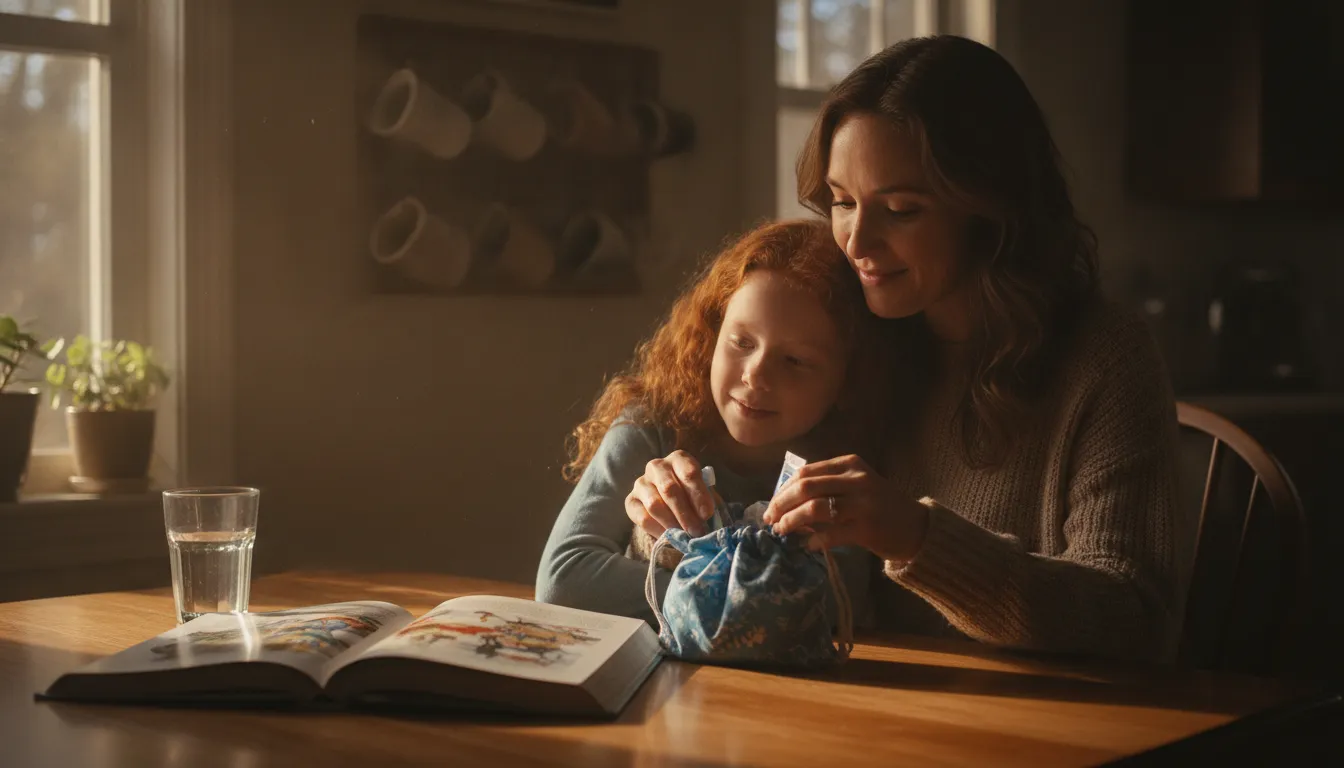
The night before, pack a small bag with one favorite book, a stuffed animal, or headphones. Have your child brush as usual. A new toothbrush is optional, and a long lecture about cavities usually backfires. If you want a home routine that lasts past this visit, our children’s dental habits guide is the better place for brushing and flossing.
On the day of the visit, eat a normal meal unless the office gave you different instructions. Arrive a few minutes early so check-in is not the stressful part of the morning. Let your child walk in holding your hand or the stuffed animal. Once they are in the chair, sit where they can see you and let the dentist lead the conversation. Extra coaching from the side often makes a child look at you instead of listening to the next step.
Afterward, keep the recap short. Name one thing they did well, such as opening wide or sitting still for the mirror. If a repair was recommended, repeat the reason in the same words the dentist used. Write the return date down before you leave the parking lot.
Plan the ride home before you leave the house, and pack a snack plus water in case the visit runs through a usual mealtime. Skip a large reward that turns the dentist into a bargain your child expects every time. A normal afternoon, together with one specific compliment, teaches your child that the visit was ordinary. That memory is the one you want them to carry into the next appointment.
If something felt off, say so before you leave the office. A cleaning that stopped early, a question you forgot, or a tooth the dentist wants to watch should be written into the notes. Call later the same day if a new complaint appears, such as a rough spot from the cleaning. Small problems are easier to explain while the visit is still fresh in everyone’s memory.
Siblings need their own plan. One child may be ready for a full cleaning while another only needs to see the room. Booking them back to back can work when both are calm. It can also backfire if the second child watches the first one fidget. Ask the scheduler which option they recommend for your two ages. There is no prize for doing everyone in one hour.
Fear is its own topic. If your child already cries at the door, or a past visit went badly, read our parent guide to dental anxiety in children before you book. Tell the team what happened last time so they can plan a shorter first look.
First-birthday timing is also a separate question. The guide to a child’s first dental visit covers infant exams. This article assumes you already have a date, or you are choosing the office that will see your child next.
Questions worth asking a kids dentist before you book
You do not need a long checklist to judge an office. Five questions are usually enough to tell whether the visit will feel manageable for your child.
Ask who will see your child and whether that person treats this age often. Ask whether you can stay in the room for the whole checkup. Ask what a routine visit includes, and which steps can wait if your child needs a break. Also ask how the office handles a visit that runs long, and when they refer to a pediatric specialist instead of treating the concern in the office.
Listen for answers you can picture. “We explain each step and stop if your child needs a break” is useful. “We love kids” is not. If the office cannot say when it refers out, you will not know what happens if a tooth needs care they do not provide.
Lowell Family Dental Practice is a family office, not a pediatric specialty clinic. Dr. Gammas and the team see children as part of family care, and they explain findings before treatment. If your child needs hospital dentistry or a specialist’s behavior support, ask on the call. A clear referral is a good sign, not a failure of the office.
Plan your child’s visit and tell the team your child’s age, any worries, and the time of day that works around school.
Frequently asked questions
How do I know a kids dentist is a good fit?
Look for an office that treats your child’s age often, lets a parent stay nearby, and explains the checkup before any treatment. You should hear when they refer to a specialist. A calm, specific answer is a better sign than a slogan.
What happens at a routine kids dentist checkup?
The visit usually includes a health update, a look at teeth and gums, a gentle cleaning, and a talk about next steps. Fluoride or X-rays are added when they fit that child. The dentist should say why before doing either one.
How can I prepare my child without scaring them?
Use a short, true story. Say the dentist will count and clean teeth, and that your child can raise a hand to pause. Pack one comfort item the night before. Skip graphic words, and do not promise it will be over in one minute.
Can a family dentist see my child?
Many children do well with a family dentist for checkups, cleanings, and simple repairs. A pediatric specialist is a better fit when a child needs hospital care, complex treatment, or extra behavior support. Ask the office which of those they provide.
When should we call before the scheduled visit?
Call the same day for a broken tooth, swelling, or pain that keeps your child from sleeping or eating. A small chip with no pain can usually wait for the next open visit, but the office should still hear about it. Do not use a routine prep plan for an injury.
Ready to plan a calmer visit?
A kids dentist visit goes better when you know who will see your child, what the checkup includes, and how you will get there without a rush. Bring the health notes, one comfort item, and the questions you still have. Dr. Gammas and the team at Lowell Family Dental Practice can walk through a first checkup at a pace your child can follow.
Call (978) 458-1179 to schedule a visit and tell us your child’s age and what would help the appointment feel easier.
Written by
Dr. Iham Gammas, DMDBoard-Certified Implant Dentist & Founder, Lowell Family Dental Practice. Fellow & Master of ICOI and IADI. Associate Fellow of AAID.